How to prepare for extreme weather in the UK
This Winter, learn how to prepare your home for extreme weather conditions, such as:
- Cold weather, ice and snow
- Floods
- Storms and weather warnings
Most importantly, make sure you stay safe through the chilly months ahead and read our tips.
Preparing for cold weather, snow and ice
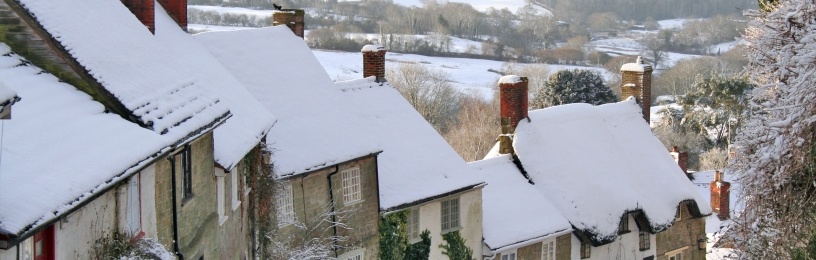
The snow may look magical from the window, but being stuck in it is a different story. What once felt like an exciting day off from school can now bring real risks to you and your home. Preparing for the cold makes all the difference, helping you stay cosy as the snow and ice settle in. It doesn’t have to be complicated, but a little planning goes a long way.
Heating
Start with your home: make sure your heating is working efficiently and bleed radiators if needed. Closing the curtains at dusk helps keep warmth from escaping, especially on colder nights. It’s also wise to keep the heating on at a low setting throughout winter, even when you’re out. This steady background warmth is far better than turning it off completely, helping to prevent frozen pipes and keeping your home comfortably heated.
Pipes and insulation
Good insulation around doors, windows, and loft spaces helps keep the warmth in. Seal any gaps with draught insulation and consider adding or upgrading loft insulation for extra protection. It’s also worth checking that your pipes are properly insulated to reduce the risk of them freezing in the extreme cold. You can get foam insulation to cover your pipes from any local DIY shop.
Stocking up on food and supplies
Stock up on essentials - keep a small supply of long‑life food, bottled water, batteries, and basic medical items so you’re not caught out if roads become unsafe or shops close. In extreme weather, be prepared for power outages. Having torches, fully charged power banks, and warm layers on hand can make a big difference.
Preparing your car for snow and icy weather
Travel disruptions are common during heavy snow and the roads can be unsafe, so try to avoid unnecessary journeys. If you do need to head out, keep your car stocked with essentials like blankets, a torch, a charged phone, an ice scraper, and de‑icer spray. For extra peace of mind, take a look at our tips for driving on icy roads to help you stay safe and prepared throughout the winter.
Cold weather prep checklist
- Check heating works well and bleed radiators
- Close curtains at dusk to keep heat in
- Keep heating on a low, steady setting to prevent frozen pipes
- Seal gaps around doors and windows
- Add or upgrade loft insulation
- Make sure pipes are properly insulated
- Store long‑life food, bottled water, and basic medical items
- Keep torches, batteries, power banks, and warm layers ready in case of a power cut
- Avoid unnecessary trips in snow or ice
- Keep blankets, a torch, a charged phone, ice scraper, and de‑icer in your car
How to prepare for a flood in your home
Flooding can be unexpected and comes in many forms - from sudden flash floods caused by heavy rain to water damage from burst pipes inside your home. Even a small amount of water can create big problems if you’re not prepared. Taking a few simple steps now can help protect your property and minimise damage if flooding does occur.
Raise electrical appliances from the floor
- Mount your TV on the wall
- Put your fridge freezer and washing machine on a raised platform
Avoid putting irreplaceable possessions in the loft or basement
- Invest in a home safe with a secure seal to prevent water damage
- Place valuable items on high-raised shelves around your home
Long-term preparation if you live in a high-risk flood area
- Install water-resistant hardwood flooring on the lower ground
- Install tiles with waterproof adhesive and grout in your kitchen
- Fit covers over ventilation bricks to prevent damage from drizzling
- Raise electrical sockets, fuse boxes, controls and wiring to at least 1.5 metres above floor level. If rewiring, bring cables down the wall to the raised socket so that cabling isn’t affected.
How to prepare for storms and severe weather
In the UK, the Met Office uses colour‑coded weather warnings - yellow, amber, and red - to signal increasing levels of risk. Understanding what each one means helps you make smart decisions before severe weather hits. Follow these simple steps to stay prepared:
Stay up to date with weather warnings
- Check the Met Office website or download the app to stay aware of weather warnings
- Yellow: be aware - severe weather is possible. Impacts are usually low‑level or uncertain, so some disruption is possible, but many people can continue as normal.
- Amber: be prepared - there’s an increased likelihood of significant impacts such as travel delays, power cuts, or risks to life and property. You may need to change plans and take protective action.
- Red: take action - dangerous weather is expected. There is a high risk to life with major disruption likely. Avoid travel and follow the emergency services’ advice.
- Order an Amazon Alexa or Google Home that'll notify you if a storm is coming
Keep an emergency kit to hand
- Keep a battery-powered torch easily accessible
- Invest in a power generator in case of a power outage
If you experience a power cut, here's what you need to know and who to call.
Prepare the exterior of your home if a storm's on its way
- Hire a roofer to check if you have any loose tiles
- Check your gutters to prevent water dripping down external walls
Store your outside movables under shelter
- Put your garden patio furniture in a safe, dry place, and secure it
- Keep your lawnmower under water-resistant covers or in a shed
Stay safe if the damage is already done
It’s devastating dealing with the impact extreme weather can have on your home. However, please keep your safety as the number one priority.
If you're affected by extreme floods, put yourself first and go to the highest room within your home. Call the Environment Agency's emergency floodline number on 0345 988 1188 to speak to an adviser for the best next steps.
If you're on a prepayment meter then make sure you're topped up to keep you warm through the bad weather.
We hope that you find these tips helpful on how to protect your home throughout the icy, rainy and stormy months ahead.
Priority Services – extra support for those in need
If you're worried about bills, managing your money or need additional support we're here to lend a hand through our Priority Services Register (PSR). We can support you with alternative billing formats, a free gas safety check, bill nominee schemes and more.
Related articles

What is the average energy bill in the UK?

What is a kWh? Understanding electricity usage and costs
