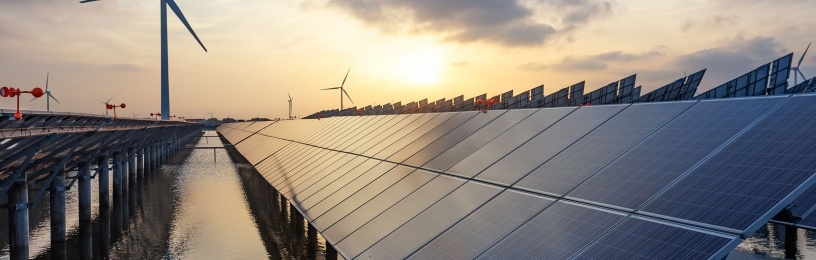
Types of renewable energy
What is renewable energy?
The definition of renewable energy source is 'energy that is sustainable – something that can't run out or is endless, like the sun'. When you hear the term 'alternative energy', it's usually referring to renewable energy sources too, but there are other energy sources that are considered alternative. Renewable energy means energy that's different to the most commonly used non-sustainable sources – like gas.
Currently the most popular energy sources are:
Each source has its own strengths and weaknesses, and only with a combination of all of them can we hope to reach net zero.
Solar energy
Sunlight is one of our planet’s most abundant and freely available energy resources. The amount of solar energy that reaches the earth’s surface in one hour is more than the planet’s total energy requirements for a whole year. Although it sounds like a perfect renewable energy source, the amount of solar energy we can use varies according to:
- The time of day
- The season of the year
- The geographical location
In the UK, solar energy is an increasingly popular way to supplement your energy usage. Find out if it’s right for you below by reading our guide to solar power.

Wind energy
Wind is a plentiful source of clean energy. especially here in the UK. Wind farms are an increasingly familiar sight in the UK with wind power making an ever-increasing contribution to the National Grid, it now powers around 29.4% of the UK supply!
There are two main types of wind turbines available, offshore and onshore. Offshore wind generates more power than onshore options, but is harder to build and therefore upfront costs are a lot higher. Both are therefore important in the power market and providing renewable energy.

Hydro energy
As a renewable energy resource, hydro power is one of the most commercially developed. By building a dam or barrier, a large reservoir can be used to create a controlled flow of water that will drive a turbine, generating electricity. This energy is:
- Reliable
- Easy to store
- Cheaper to setup than other renewable sources
Hydro's ability to offer a reliable source of energy is really important in the world of renewables. Whilst wind and solar energy are great, it's important to also have renewable sources to cover periods of the day when these technologies cannot generate energy.

Tidal energy
This is another form of hydro energy that uses twice-daily tidal currents to drive turbine generators. Although tidal flow unlike some other hydro energy sources isn’t constant, it is highly predictable and can therefore compensate for the periods when the tide current is low.
While tidal energy is often not as well known as some of the other forms on the list, according to a recent study, the UK is actually ranked 5th in the world at technological advancements in this field. Guess being an island helps!

Geothermal energy
By harnessing the natural heat below the earth’s surface, geothermal energy can be used to heat homes directly or to generate electricity. Although it harnesses power directly below our feet, geothermal energy is of negligible importance in the UK compared to countries such as Iceland, where geothermal heat is much more freely available.

Biomass energy
This is the conversion of solid fuel made from plant materials into electricity. While biomass generation traditionally involves burning organic matter for electricity, modern methods have become significantly cleaner and more efficient. By converting agricultural, industrial and domestic waste into solid, liquid and gas fuel, biomass generates power at a much lower economical and environmental cost.

Renewable energy for your home:
The advantages of using renewable energy in your home are:
- Cut your electricity bills: Once you’ve paid for the costs of installing a renewable energy system your energy bills will be reduced substantially. Customers who install solar panels and batteries can see savings of up to £525 a year(1) as well as earn for any energy that's exported to the grid through our Smart Export Guarantee.
- Become more energy independent: By installing solar panels and particularly a battery you become far less reliant on the National Grid. This gives you far more control to your energy usage and therefore increases your energy independence.
- Reduce your carbon footprint: investing in these sources of energy doesn’t release as much carbon dioxide or other harmful pollutants into the atmosphere. According to the Energy Saving Trust, a typical solar PV system could save around 1 tonne of carbon per year. You can find out more in our solar panels guide.
Related articles


November '25 customer newsletter