Hinkley Point C sets out plan to create Somerset saltmarsh
- New wetland reserve near Bridgwater will cover more than 800 acres
- Public consultation to begin on 9th January
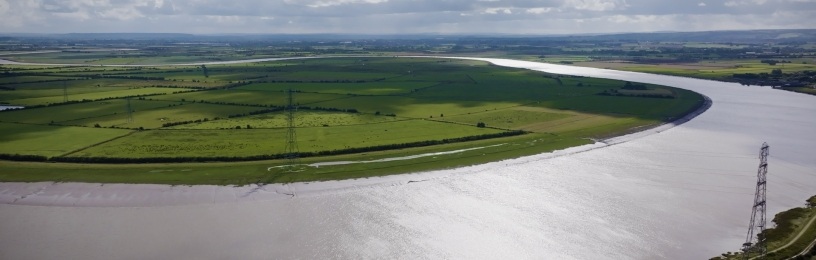
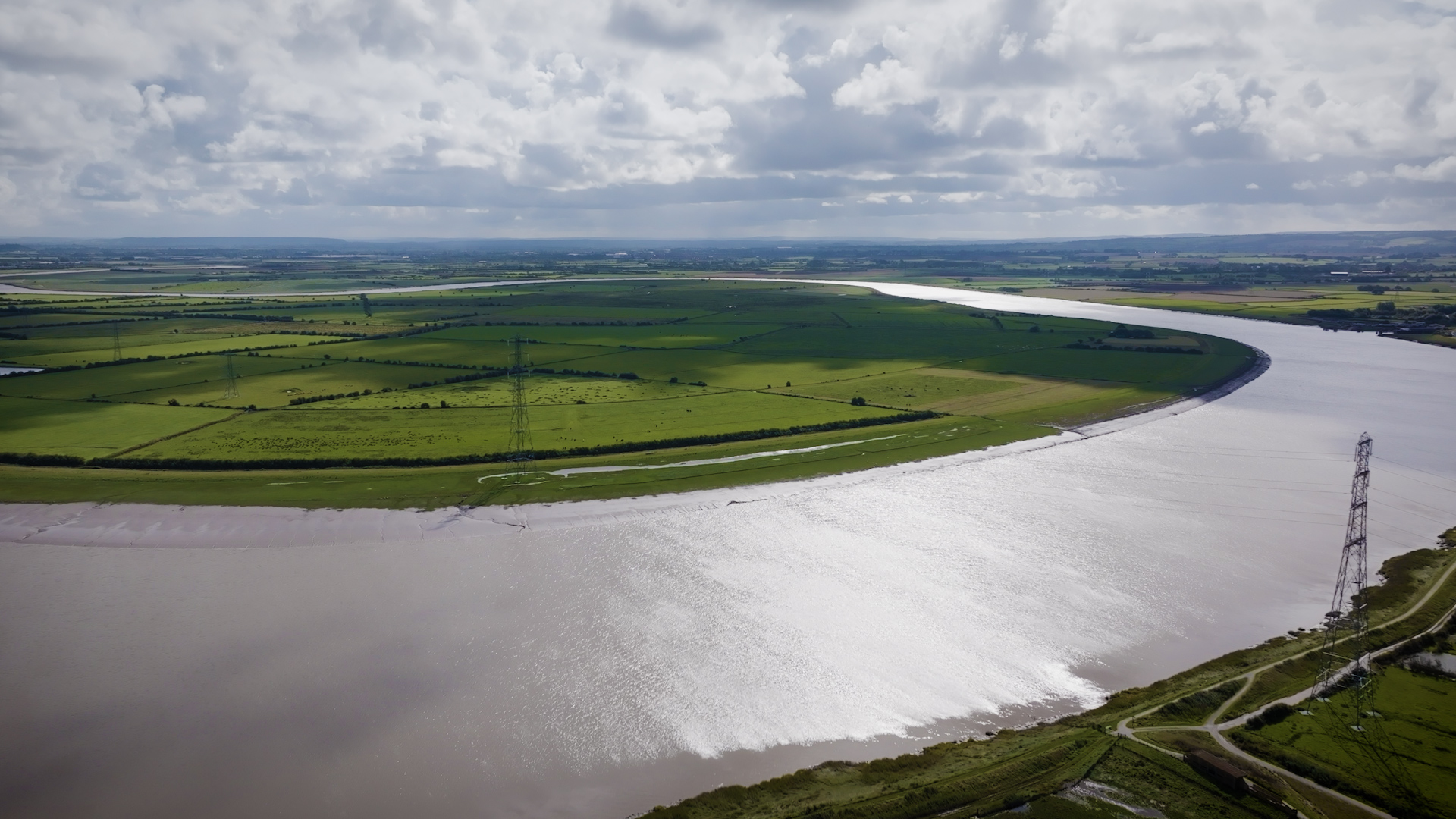
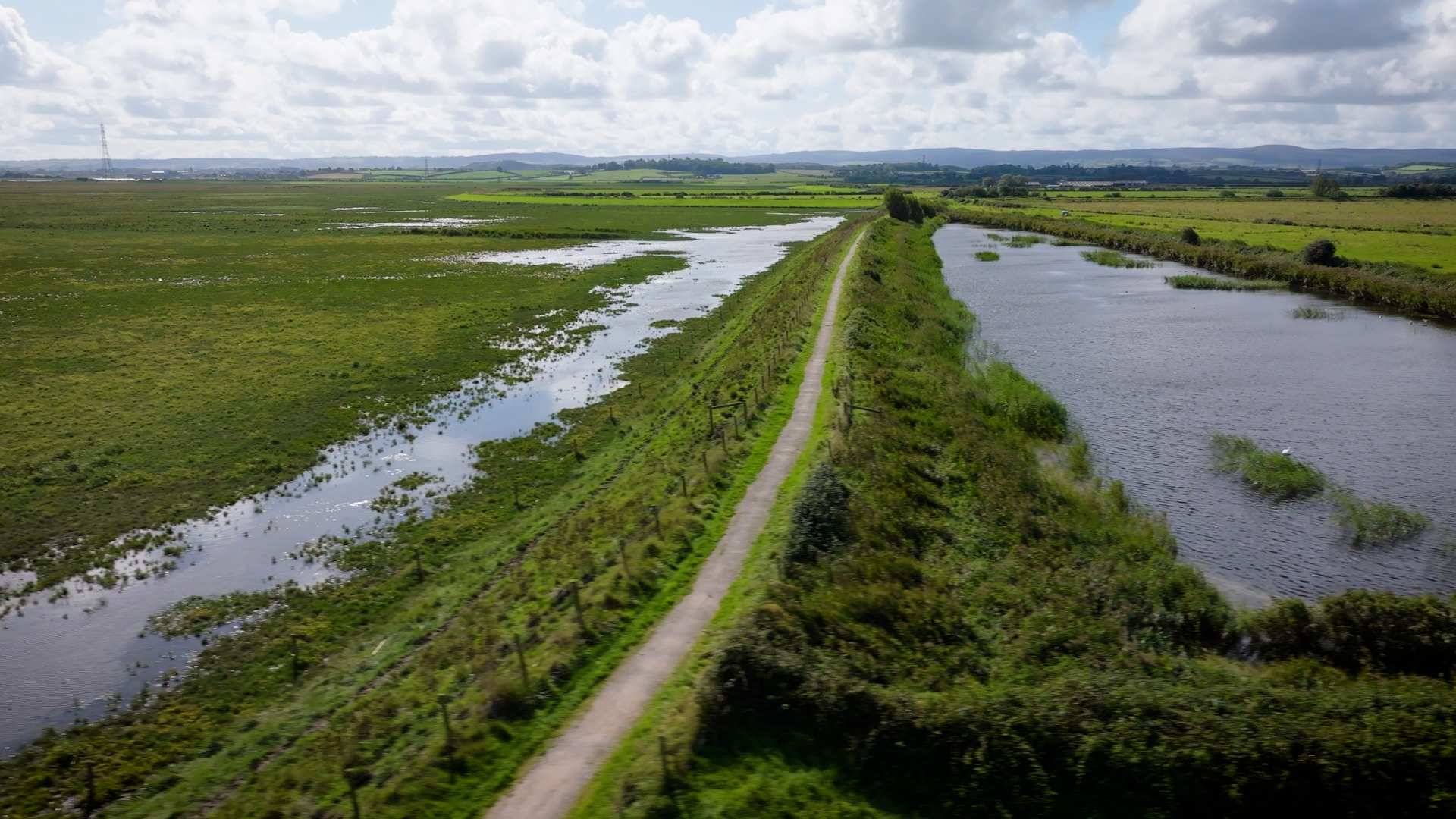
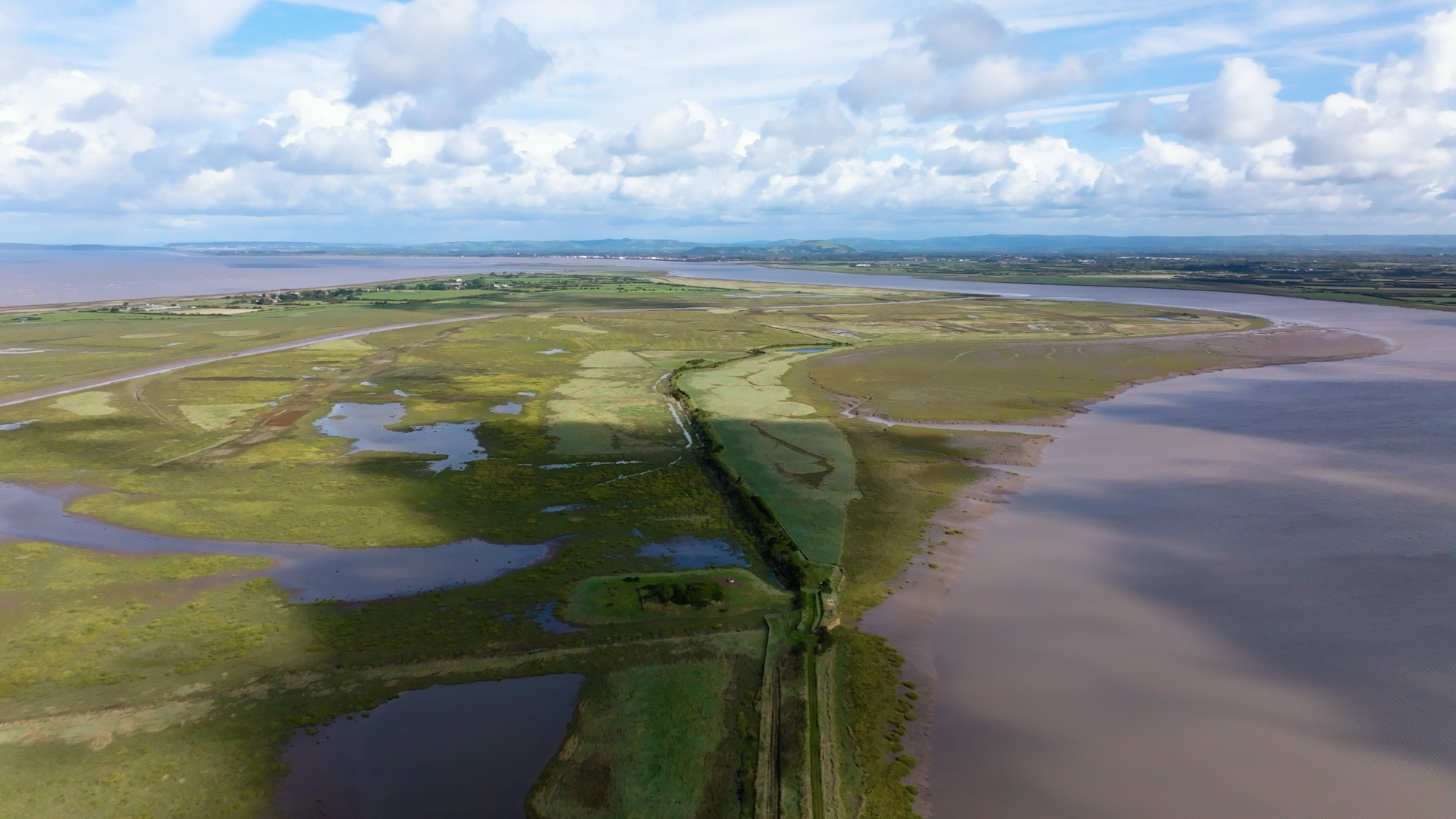
Hinkley Point C, the new nuclear power station in Somerset, is asking for views on its plans to create more than 800 acres of saltmarsh on the River Parrett.
The proposed saltmarsh at Pawlett Hams near Bridgwater would create new habitat for fish and animals, improve local water quality and help prevent flooding. It’s one of a number of proposed measures to help wildlife and the environment around the Severn estuary. These include planting of seagrass and kelp, developing native oyster beds and removing weirs on three rivers to help migrating fish to reach their breeding grounds.
The plans are being developed with Natural England, Natural Resources Wales and the Environment Agency as a natural alternative to installing an acoustic fish deterrent. The deterrent had been proposed to keep some fish species away from the power station’s cooling water system.
Creating saltmarsh is a proven way to increase and protect biodiversity. It will help fish by providing breeding grounds and provide food and shelter for birds and animals. Tidal marsh also filters and cleans water, prevents floods and locks away carbon in one of our most effective weapons in the fight against climate change. Steart Marshes, opposite the proposed new wetland, was created nine years ago and is now teeming with birds, fish and wildlife, and is a popular place for recreation.
The creation of new habitat to help protect fish populations replaces a proposal to install an acoustic fish deterrent system. This system would use 280 speakers to make noise louder than a jumbo jet 24-hours a day for 60 years. Its impact on porpoises, seals, whales, and other species is unknown. Independent studies showed it would offer a very small potential benefit to protected fish species. It would also risk the safety of divers in the fast-flowing tides of the Bristol Channel.
Hinkley Point C is still the first power station in the area to have any fish protection measures in place – including a fish recovery and return system and low velocity water intakes. Power stations have been taking cooling water from the Bristol Channel for decades with no significant impact on fish populations.
Chris Fayers, Head of Environment at Hinkley Point C, said: “The new wetland would be a fantastic place for wildlife and a beautiful place to visit. Using natural and proven ways to improve the environment is better than creating sixty years of noise pollution with a system that is untested far offshore in the fast-flowing waters of the Severn.
“Hinkley Point C is one of Britain’s biggest acts in the fight against climate change and its operation will provide significant benefits for the environment.”
The proposals for habitat creation and other changes to Hinkley Point C’s design, such as alterations to the way the power station will store spent fuel, will be included in a public consultation launching on 9th January. More information on the consultation events will be available on the Hinkley Point C website.
Downloads


About EDF
EDF is driving the transition towards An Electric Britain – a secure, affordable, low-carbon future for everyone. As Britain’s biggest generator of zero carbon electricity, we are investing more than £100 million weekly in Britain’s electricity infrastructure. We supply millions of customers with electricity and help homes and businesses switch to electricity for heating, transport and industrial processes.
We operate five nuclear power stations and more than 35 onshore wind farms and three offshore wind farms. Since 2009, EDF has invested almost £9 billion in the nuclear fleet to improve reliability and extend station lifetimes. The five generating stations currently supply about 12% of the UK’s electricity demand.
EDF is building the UK's nuclear renaissance with the construction of a new nuclear power station at Hinkley Point C. We are a minority investor (12.5%) in and major supplier to a replica plant at Sizewell C in Suffolk. Hinkley Point C and Sizewell C will provide low carbon electricity to meet 14% of UK demand and power around 12 million homes. EDF Group companies Framatome and Arabelle Solutions have a presence in the UK and manufacture critical equipment such as reactor pressure vessels and turbines.
EDF is enabling its 5 million customers, both in business and at home, to choose electric solutions that save cash and carbon, whether it is buying an electric car, generating and storing electricity, selling energy back to the grid or installing solar panels or a heat pump. In 2025, EDF’s Customers business was ranked as one of the Sunday Times’s Best Place to Work.
It is also one of the UK’s leading developers of renewable energy through EDF power solutions UK and Ireland. We have more than 2GW of renewable generation in operation and over 10GW in construction, planning and development across a range of technologies including onshore and offshore wind, solar and battery storage.
We are one of the largest suppliers to British business and a leading supplier of innovative energy solutions that are helping businesses become more energy independent. In addition, the company’s energy services business, Dalkia, is one of the UK and Ireland’s largest technical service providers.
Related articles

Hinkley Point C finishes tunnelling fish return system

Big Carl lifts Hinkley Point C’s second nuclear reactor into place
