
Air source heat pumps vs gas boilers - which is best for your home
With rising energy costs and growing environmental concerns, more people are transitioning from traditional gas boilers to more efficient, low-carbon air source heat pumps (ASHPs). As they both have pros and cons, it may be difficult to decide which heating system is the right choice for you. Let's dive into the key differences between the two, backed by recent research on efficiency, costs, installation, and environmental impacts, to help you make an informed decision.
What are air source heat pumps?
Air source heat pumps (ASHPs) are an innovative, low-carbon heating solution that can help keep your home comfortable while reducing your carbon footprint. But what exactly are they?
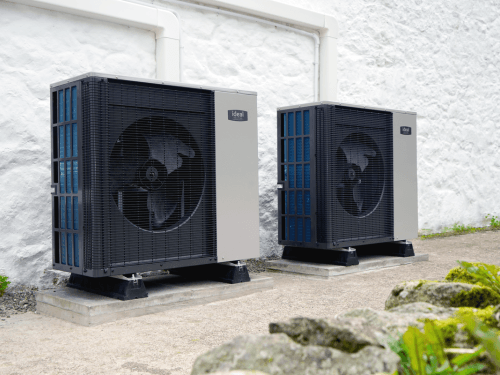
Air source heat pumps work like a reverse refrigerator, drawing heat from outside air and bringing it into your home, even in cold weather. They don't use flammable gas, so they produce less carbon than gas boilers. As the UK aims to reduce carbon emissions by 2030, heat pumps provide a sustainable solution for homeowners.
Air source heat pumps are made up of three parts:
- The heat pump sits outside and extracts energy from the air.
- The internal heating system uses your existing pipes to circulate hot water through radiators or underfloor heating.(1) Cooled water returns to the pump for reheating.
- The water tank stores hot water for showers, taps, and appliances. It can be placed in various locations within your home, but there are minimum space requirements based on the specific conditions of your house.
What are gas boilers?
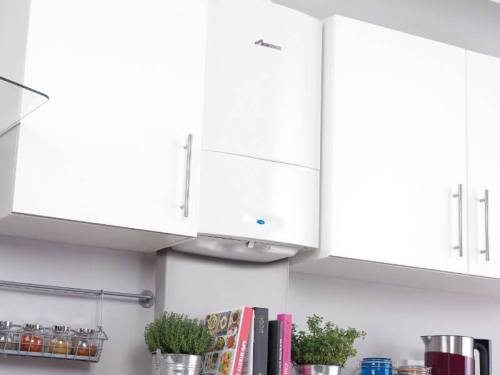
Gas boilers are a common and reliable heating solution for many homes, with around 85%(2) of UK households using them. Gas boilers perform two key jobs: keeping your home cosy and providing hot water whenever you need it. In simple terms, they work like a thermostat-controlled fire, allowing you to easily set the perfect temperature for your home.
The process begins with burning natural gas, a fossil fuel extracted from underground, to generate the heat needed to warm water. This hot water then travels to your taps and showers or circulates through your central heating system, warming the radiators.
Key differences between air source heat pumps and boilers
We'll delve into these in more depth, but see this table for all the information at a quick glance.
| ASHP | New gas boiler | |
| Upfront cost | £4,100(3) -£10,000 | £3,000 - £4,000(4) |
| Grants available | Up to £7,500 in England and Wales, up to £9,000 in Scotland | Some support available for eligible customers in Scotland and Wales only |
| Running cost | £782 per year on average(5) | £664 per year on average(5) |
| Efficiency | 300-400%(6) | 93%(7) |
| Carbon emissions | Low-carbon, especially when powered by a zero-carbon electricity tariff | 13% CO2 generated per year(8) |
| Install time | 4 - 5 days | 1 day |
| Lifespan | 20 years + | 10 - 15 years |
Heat pump vs gas boiler: upfront cost comparison
When it comes to upfront costs, air source heat pumps and gas boilers differ significantly. The cost of an air source heat pump falls between £4,100(3)and over £10,000, depending on a few factors (£4,100 price assumes reuse of a suitable existing hot water cylinder. Homes requiring a new cylinder will have an additional cost):
- Air source heat pump grants
- How powerful the unit is
- The brand
- Installation costs
Before government grants, the cost to purchase and install an air source heat pump can exceed £10,000. However, government grants (including the £7,500 Boiler Upgrade Scheme grant in England and Wales, which rises to £9,000 if you’re replacing an oil or LPG heating system, and the £7,500 Home Energy Scotland grant) can significantly reduce this amount.
And at EDF, we offer heat pump finance to help you spread the cost and start enjoying the benefits of your new heating system sooner rather than later.
On the other hand, the average cost to buy and install a gas boiler is £3,700(4). Similar to air source heat pumps, the cost can vary based on:
- The amount of work required: replacing a combi boiler with another combi is usually cheaper than switching from a conventional boiler to a combi. Also, consider if you need extra services like scaffolding to reach your roof if your flue (exhaust pipe) is up there.
- The type of installer: always look for a Gas Safe Engineer to install your boiler replacement.
- Your location: there may be limited installer availability in your area, and there can be regional variations in installation costs.
Grants and incentives: heat pumps vs gas boilers
Grants for air source heat pumps
Switching to an air source heat pump can be a smart investment, and there are a few air source heat pump grants available to help reduce the upfront costs.
| Cost without grant | Cost with grant |
|---|---|
| £11,499 - £17,500 | £4,100(3) - £10,000 |
- In England and Wales, the Boiler Upgrade Scheme offers homeowners up to £7,500 towards the installation of an air source heat pump. This grant can significantly lower the initial expense, making the installation cost range between £4,100(3) and £10,000.
- Additionally, in Scotland, Home Energy Scotland offers grants of £7,500 for installation. If you live in a remote area and qualify for the rural uplift, this grant increases to £9,000. The final installation cost typically falls within the range of £4,100(3) and £10,000.
It's worth knowing that the total installation costs might increase if your home needs additional energy efficiency improvements. For instance, upgrading your radiators or adding insulation could add to the expenses. In most cases, you can use your existing pipework and electrical systems, but if these need replacing, it might further increase the overall cost.
Grants for gas boilers
If you're unsure about switching to a heat pump, there are some boiler grants available.
- In Scotland, Warmer Homes Scotland offers energy-saving home improvements worth up to £10,000. to eligible households, making homes warmer and more affordable to heat. Measures include central heating, insulation, and renewable energy systems
- Furthermore, in Wales, Nest provides free home energy efficiency improvements, such as new boilers, central heating, insulation, or solar panels, to eligible low-income homeowners and private-sector tenants.
What are the running costs for air source heat pumps vs gas boilers?
The running costs of air source heat pumps and gas boilers vary significantly. Air source heat pumps are much more efficient than boilers, so their running costs are typically lower, especially compared to an old, inefficient boiler.
For example, let's compare running costs for a 3-bedroom house that needs about 9,500 kWh of heat per year:
| ASHP | D-G rated gas boiler | |
|---|---|---|
| Annual running cost | £782(5) | £882(5) |
If you switch completely from gas to electricity, you could also save on the daily gas standing charge, as you’ll no longer need a gas supply to your home.
You can reduce your running costs even further if you pair a heat pump with solar panels and a solar battery, as the energy created by your panels and stored by your battery can help to power your heat pump. On the other hand, gas boilers don’t benefit as much from solar panels, as they use very little electricity while running.
Which is cheaper over the long term; a heat pump or gas boiler?
Air source heat pumps may have higher upfront costs, but they can offer long-term savings and are a great low-carbon option.
Both ASHPs and gas boilers have their benefits, so it's worth considering what works best for your home and budget.
Comparing efficiency and carbon emissions of heat pumps and gas boilers
One of the key characteristics of an air source heat pump is its impressive efficiency. They can produce up to three units of heat for every unit of electricity they consume, making them up to 300-400%(6) efficient. In addition, heat pumps use only electricity to run. When powered by solar panels, they can be very low carbon. The efficiency of a heat pump could mean lower energy bills and a lower carbon footprint for your home.
In contrast, most modern gas boilers have an efficiency rating of around 93%(7). Whilst they're more efficient than older heating systems, they still rely on fossil fuels, which have a significant environmental impact. When compared with heat pumps, gas boilers could generate more than 13% of CO2 a year.(8)
Comparing installations: gas boilers vs heat pumps
It's important to look at the installation requirements for both heat pumps and boilers. We’ll walk you through the important details, like the space requirements, the timing for installation, and the complexity, to help you feel confident in making the best choice for your home.
Location and space requirements:
- Air source heat pump units are typically installed outside your home, often on a wall or the ground. The typical size of an air source heat pump is between 1 and 1.5m high and between 0.5 and 1m wide. They need sufficient space around them to allow for proper airflow, which means you might need to clear some outdoor space for the installation. For example, a typical monobloc air source heat pump requires approximately 2 meters (6.5 feet) by 1 meter (3 feet) of outdoor space.
- Gas boilers are usually installed inside your home, often in a utility room, kitchen, or even a cupboard. They take up less outdoor space but need proper ventilation and a connection to the gas supply.
Installation time:
- Air source heat pump installation usually takes 4 to 5 days. This is because it involves setting up both the outdoor unit and the indoor components, such as the hot water cylinder and connecting them to your heating system. It’s best to plan this installation during warmer months, so you're not left without heating!
- Gas boilers are generally quicker to install. The process involves connecting the boiler to the gas supply and your home's heating system. If you’re replacing an old boiler, the installation can be even faster.
Complexity:
- Installing a heat pump can be more complex and may require changes to your home’s heating system, especially if you’re switching from a gas boiler. This might include upgrading radiators or adding underfloor heating to work efficiently with the lower temperature output of the heat pump.
- Gas boiler installation is usually less disruptive, especially if you already have a gas supply and a compatible heating system. It’s often a straightforward swap if you’re replacing an old boiler.
Gas boiler vs heat pump: what maintenance do they need and how long do they last?
Gas boilers typically have a lifespan of around 10 to 15 years. Replacing a boiler can be expensive, so regular maintenance is essential to keep it running efficiently and safely. This includes annual servicing by a qualified engineer to check for any issues and clean the components. Maintenance typically costs between £70 to £130 per visit, with an average cost of £72(9).
Air source heat pumps generally have a longer lifespan, often lasting 20 years or more with proper care. Although they require less intensive maintenance than gas boilers, regular checks are still important to maintain efficiency and smooth running. A yearly check by yourself is recommended, and a professional inspection every 3 to 5 years. This usually involves cleaning the filters, checking the system’s performance, and having a professional service the unit every few years. Maintenance visits tend to cost around £200.
| Air source heat pumps | Gas boilers | |
|---|---|---|
| Maintenance frequency | Annual check by owner, with professional service every 3 to 5 years | Annual servicing needed |
| Maintenance costs | Around £200 per visit | Typically £70 to £130 per visit |
| Lifespan | 20 years or more | Average 10 to 15 years |
What's it like to have a heat pump installed?
Hear from Caroline, an EDF customer who recently replaced her boiler with an air source heat pump. She shares why she decided to make the switch, the misconceptions she had beforehand, what installation was really like and why she’s so pleased with her new heating system, even calling it the best investment she's made.
What's best for my home?
Choosing the right heating solution for your home is crucial for comfort and efficiency. At EDF, we pride ourselves on providing reliable, sustainable, and cost-effective energy solutions.
A heat pump could be right if:
- You want to reduce your home's carbon emissions and reliance on fossil fuels
- You're looking for an efficient heating system that could last 20 years or more
- You have enough outdoor space for the heat pump, and indoor space for a hot water cylinder
- Your home is well insulated, or you're willing to make the improvements to your insulation or radiators
A gas boiler could be right if:
- You're looking for a lower upfront installation cost
- You already have a gas supply and central heating system, making a installation relatively straightforward
- You have limited outdoor space or don't have room for a hot water cylinder
EDF Heat Pumps is accredited by Which? Trusted Traders, ensuring you receive a top-quality product backed by our commitment to excellence.
Our heating advisers will guide you through your options and help you choose the heating system that’s right for your home. If an air source heat pump isn’t the best fit, that’s no problem; we also work with boiler partners who can help you get a new boiler installed.
Discover heat pumps Install a gas boiler
Frequently asked questions
What homes are suitable for an air source heat pump?
Most homes are suitable for a heat pump, though upgrades like insulation or radiator changes may be needed for efficiency. You'll also need to:
- Be a homeowner
- Have enough outside space (around 2m x 1m)
- Have space for a water tank (for the most efficient heat pump)
- Have good insulation (like cavity wall and loft insulation)
Can a heat pump replace a boiler?
Yes, a heat pump can replace a boiler for both heating and hot water needs. And plenty of households are already making the switch. According to Ofgem, gas heating systems account for 55.1% of the systems replaced through the Boiler Upgrade Scheme since it launched.
Does an air source heat pump use electricity or gas?
Air source heat pumps run on electricity, so finding the right tariff can help you save even more. We offer a variety of air source heat pump tariffs, so there’s something for everyone.
Do you need a boiler as well as a heat pump?
No, a heat pump can provide both heating and hot water, so a boiler will no longer be needed. However, if you're not ready to make the leap to an air source heat pump, you can check our boiler replacement guide for replacement options.
Do you need a water tank with a heat pump?
Yes, a water tank is needed to store hot water generated by the heat pump.
Can you still buy a gas boiler?
Yes, you can still purchase a gas boiler if it’s the right fit for your home. Our team of heating experts will advise you on the best solution.
When is the best time to install a heat pump?
The best time to install an air source heat pump is whenever you feel it's right for you. But why not take advantage of the £7,500 government grant. Plus, you can join one of our air source heat pump tariffs and enjoy twice daily discounts.


