Electric radiators – low carbon heating for your home
Modern wall‑mounted electric radiators are an energy‑efficient way to enjoy electric heating, giving you easy, precise control over each room. They could save you money while reducing your carbon footprint.
We’ll put you in touch with a qualified installer.
What is an electric radiator and how does it work?

Electric radiators are standalone units that warm your home without relying on a mains gas network. They have a core heating element, which is usually a conductive metal. Electricity heats up this element, and depending on the radiator type, thermal fluid or dry heat plates spread the warmth through the radiator.
The radiator warms the room through convection currents - where warm air rises from the radiator and circulates around the room, or radiant heat - where the warm surface emits heat to warm objects and people directly.
Benefits of electric radiators

Cheap to install and maintain
Electric radiators are easy and cheap to install, and incredibly long-lasting, with some even coming with warranties of up to 30 years.
Upgrading to modern, energy‑efficient models can make a big difference in keeping your home cosy, and you won’t have any annual servicing costs either!

Smart electric heating
Modern electric radiators use smart, self‑learning tech to reduce energy waste and heat your home more efficiently.
You can control settings from your smartphone, and program them to take advantage of cheaper time‑of‑use tariffs like FreePhase, saving money while staying warm.

Choice of designs, heat output and sizes
There is a wide range of different styles, heat outputs and sizes, including vertical electric radiators for limited space. Narrow profile design suits limited wall spaces, whilst heat output is still the same as some of the larger heaters on the market.
Types of electric radiators
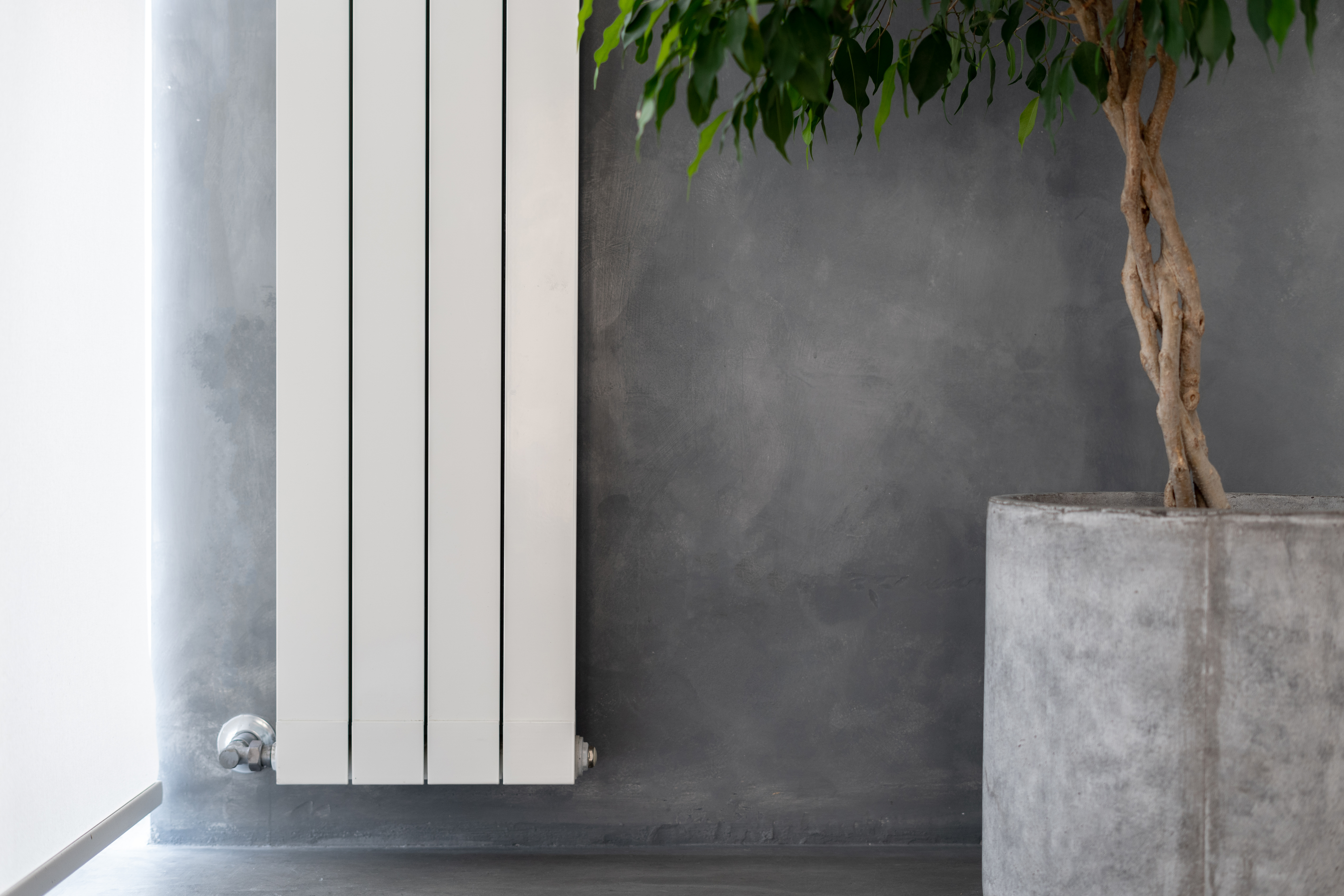
SmartFluid electric radiators
These radiators use thermal fluid which is heated and then cleverly distributes heat evenly across the entire surface of the radiator. They use less energy to heat your room and when switched off, they slowly keep releasing warm air.
Prices start from £2,211.32 for a typical 2-bedroom home, including installation.
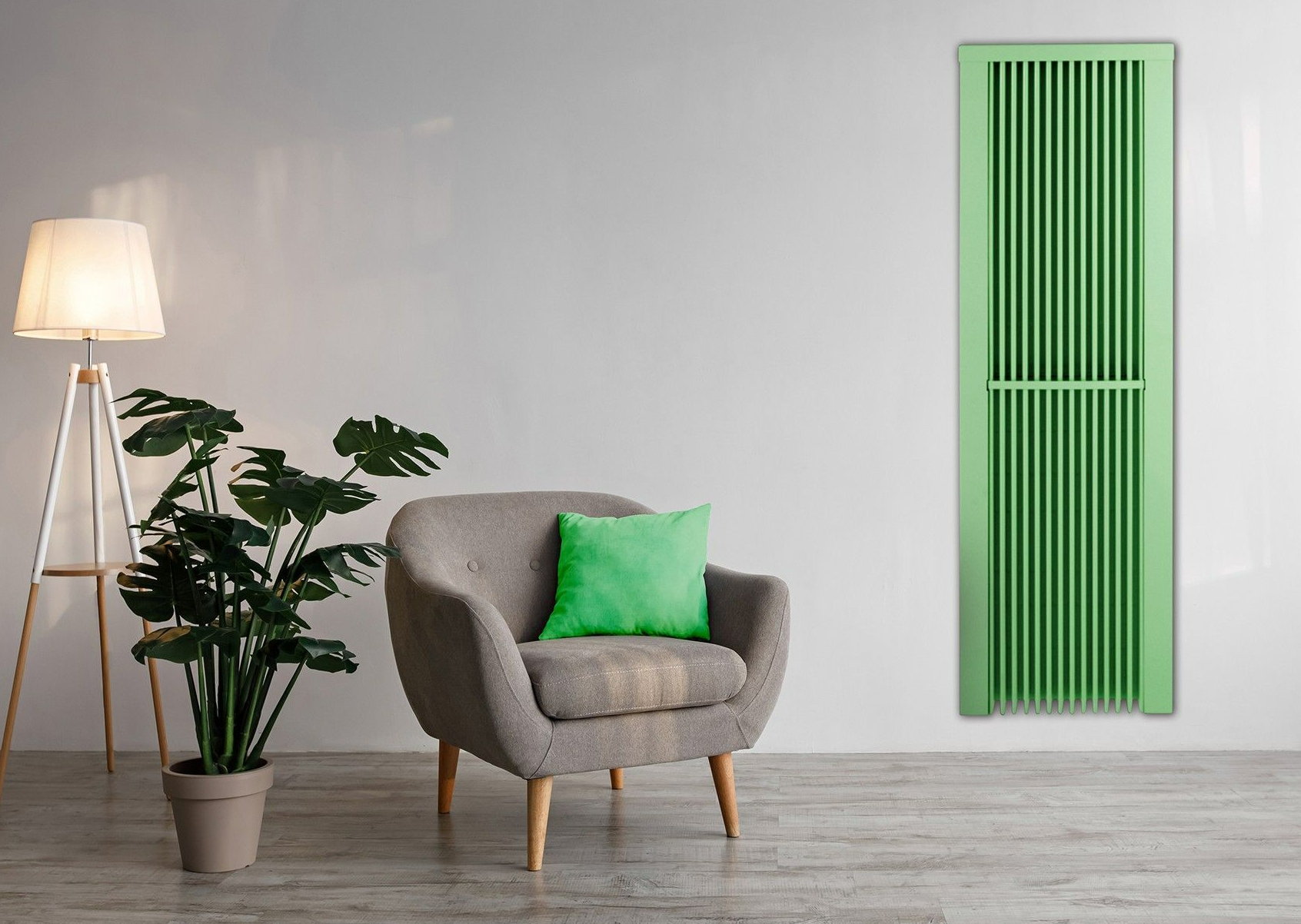
SmartCore electric radiators
Electric radiators vs gas central heating
A quick side‑by‑side comparison makes it easier to see how electric radiators compare against traditional gas central heating with a boiler. This simple overview highlights the key differences in installation, efficiency, running costs, and overall convenience, helping you choose the best option for your home:
| Electric radiators | Gas central heating | |
|---|---|---|
| Installation | Simple, no pipework or boiler needed | Requires boiler and pipework, longer installation time |
| Maintenance | No annual servicing | Annual servicing recommended |
| Energy efficiency | Nearly 100% at point of use | A-rated gas boilers are ~90% efficient, G-rated boilers are ~70% efficient |
| Control | Room-by-room control with smart features | Mostly whole home control |
| Running costs | Electricity is more expensive than gas, but you can take advantage of time of use tariffs for cheaper rates | Generally lower cost per kWh, but less efficient and could be more expensive in the long term |
| Environmental impact | Low‑carbon when paired with renewable electricity | Higher carbon emissions from burning gas |
| Lifespan | Long‑lasting; some models offer up to 30‑year warranties | Boilers typically last 10–15 years |
| Heat delivery | Fast, responsive, and even | Slower to heat and cool due to water‑based system |
Why buy an electric radiator from EDF?
- Easy, no‑fuss installation with modern designs that fit seamlessly into any home
- Smart, energy‑saving technology that learns your routine and reduces wasted heat
- Compatible with time‑of‑use tariffs, helping you heat your home when electricity is cheaper
- Efficient heat delivery that warms rooms quickly while reducing energy waste
- Low‑maintenance heating with no annual servicing required
- Long‑lasting quality, with some models offering warranties of up to 30 years
- A low‑carbon choice, supporting our commitment to an electric Britain
Other electric heating options

Air source heat pumps
Heat pumps are a low carbon alternative to gas boilers. As a Which? Trusted Trader, EDF Heat Pumps deliver expert installations, giving you total confidence from quote to switch‑on.

Night storage heaters
Our modern Dimplex radiators can reduce your heating costs and make it a lot easier to keep your home warm.
Advice about heating and insulating your home

Have a time of use meter?
Economy 7 or other time-of-use meters help to save money on your energy bill by paying a cheaper price for electricity during off-peak hours.

Electric vs gas heating
Understand the pros and cons of electric and gas heating, how they compare to each other and what system could be right for you.

Waste less heat, energy and money with insulation
Save up to £810 on energy bills(1) wrapping your home with insulation, as less heat is wasted by escaping out of your home. Your new boiler will last longer too as it's not working as hard to heat your home.
FAQs
Are electric radiators expensive to run?
Electricity is typically more expensive per kWh than gas, but that doesn’t automatically mean electric radiators are costly to use. Because they’re highly efficient and convert almost all the energy they use into heat, you only pay for what you actually consume. Your running costs will depend on how well your home holds heat and how you use the radiators, but choosing a time‑of‑use or off‑peak tariff can make a real difference by letting you heat your home when electricity is cheaper.
Do electric radiators use a lot of electricity?
Not necessarily. Electric radiators are fully efficient, so all the electricity they use becomes heat. How much they consume depends on your home and how you use them, but smart controls and heating rooms individually help keep usage down. You can also lower costs by using them during cheaper off‑peak periods on a time‑of‑use tariff.
How efficient are electric radiators?
Electric radiators are 100% efficient at the point of use. This means every unit of electricity they consume is turned into heat. Their overall efficiency in your home will depend on insulation and how you control them, but features like thermostats, timers and room‑by‑room heating help you use energy more effectively and avoid waste.
What size electric radiator do I need?
To choose the right size, it’s best to work out the room’s BTU requirement. BTU is the british thermal unit, it measures the amount of heat needed to keep a room at a comfortable temperature. Radiators come with individual BTU ratings, so you can choose the right one or multiple to match the BTU requirement for your room. Refer to our radiator buying guide or use an online calculator to work out the exact BTU for your room.
Are electric radiators cheaper than gas?
Gas is usually cheaper per kWh, so gas heating often has lower running costs. But electric radiators are 100% efficient, don’t rely on a boiler and let you heat rooms individually, which can make them more cost‑effective depending on how you heat your home.
What are the most efficient electric radiators?
The most efficient electric radiators are those that hold onto heat and use smart controls to avoid wasting energy. Our SmartCore radiators use a ceramic core that warms up quickly and releases heat slowly, helping reduce how often they need power. SmartFluid radiators use a thermal fluid to spread heat evenly and maintain a steady temperature. Both ranges include precise thermostats and smart scheduling, so you can heat each room efficiently and keep energy use under control.
Can I leave electric radiator on all night?
Yes, you can leave an electric radiator on overnight, as long as it has built‑in safety features like thermostatic control and overheat protection - which most modern models do. The key is to set a comfortable temperature rather than running it at full power. Using timers or smart scheduling can also help you stay warm through the night while keeping energy use under control.
Can you dry clothes on electric radiators?
It’s best not to dry clothes directly on an electric radiator. Covering the surface can trap heat, reduce efficiency and may cause the radiator to overheat. If you need to dry laundry in the same room, keep items a safe distance away so air can circulate and the radiator can work as it should.
Can you paint electric radiators?
It’s not recommended to paint electric radiators. Adding paint can affect how heat is released, reduce efficiency and may damage the surface or safety features. If you want a different look, it’s better to choose a radiator that comes in the finish or colour you prefer.
Can you replace storage heaters with electric radiators?
Yes, you can replace electric storage heaters with modern electric radiators. Many people switch because electric radiators offer more precise control, heat up quickly and don’t rely on overnight charging. They also work well with smart scheduling and room‑by‑room heating, so you only use energy when you need it. If you’re moving away from an Economy 7 setup, it’s worth checking your tariff too, as a standard or time‑of‑use tariff may suit electric radiators better.
Do electric radiators need bleeding?
No, electric radiators don’t need bleeding. There’s no water inside them like there is in a traditional central‑heating radiator, so air can’t get trapped. If your electric radiator isn’t heating evenly, it’s usually down to the settings or thermostat rather than trapped air.