Electric Storage Heaters Explained
Considering a modern storage heater? They're a 100% efficient, zero-emissions heating option. Sounds ideal, right? Keep reading for a breakdown on everything you need to know about night storage heating.

What's a storage heater?
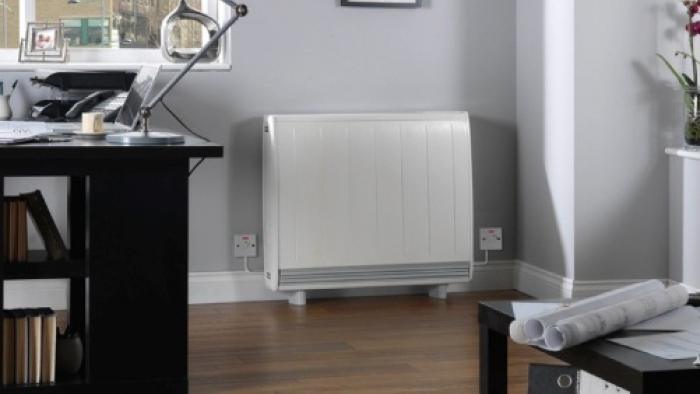
A storage heater, also known as a night storage heater, stores energy by charging on off-peak electricity overnight to release it the next day.
High heat retention storage heaters (HHR) have additional layers of insulation to retain heat for longer than a regular storage heater.

How does an electric storage heater work?
Storage heaters contain ceramic or clay bricks that hold lots of heat. Overnight, off-peak electricity (could be Economy 7) heats up the bricks. This heat is released throughout the day to warm your home.
The heat is spread evenly through convection currents. As hot air from the heater rises, it pulls in cooler air, which gets warmed up by the heater and the cycle continues.
Already decided on getting a storage heater?

Electric storage heater costs
Heat charging costs
When charging heat, a small electric storage heater may consume about 1kW, while larger models might use nearer 3kW.
That’s a lot of electricity – but remember it’s the maximum amount of power it’ll use. And some storage heaters stop using energy when they’ve stored enough heat, so remember this figure is just a guide.
Running costs
Working out your storage heater's running cost is trickier, as it depends on how much heating your room needs.
As an indication, a medium-sized storage heater that consumes 2kW, and charges at full power for seven off-peak hours will use 14 kilowatt-hours (kWh) of electricity. At the average off-peak electricity rates, as of November 2025, 15.3p per kWh, that’s £2.14 per day.
Seasonal costs
Of course the heater won't be used year round. In the warmer spring and autumn months, your storage heater running costs will be much lower – and in summer, they might be non-existent.
Charging the same heater in the previous example for only two hours in warmer months will bring the cost down to less than 80p per day.
Storage heaters and economy 7
Whilst storage heaters are 100% efficient, they can be expensive to run as electricity currently costs more than gas. It's a good idea to use a suitable off-peak electricity tariff that allows you to take advantage of cheaper rates to make them worthwhile.
What’s an off-peak electricity tariff, such as Economy 7?
Electricity companies provide cheaper energy during low-demand periods (i.e, off-peak), usually overnight or at weekends, when offices and factories aren’t using as much.
An Economy 7 tariff provides households with seven hours of cheaper electricity overnight. There are even 'Economy 10' tariffs which extend to 10 hours.
Other types of time-of-use tariffs can offer even better value, tailored to how you use electricity. These require a smart meter, so your supplier can track the time you've used electricity.
Are storage heaters worth getting and are they right for your home?
Storage heaters convert all the electricity they use into heat, making them 100% efficient at the time of use. Paired with a low‑carbon tariff, they can also help reduce your carbon footprint.
They’re increasingly used as an alternative to central heating because they’re:
- Easy to install
- Low‑maintenance
- Long‑lasting (some come with 30‑year warranties) - making them appealing to landlords
- Suitable for homes where installing central heating is difficult, such as listed buildings
Switching to electric heating can also be a greener choice, especially when powered by renewable or low‑carbon electricity.
Old vs modern storage heaters
Electric storage heaters come with an output controller so you can control how much heat is released. The basics for how they work have stayed pretty much the same over the years. However, with modern storage heaters, there are new rules, which mean they have to have casings to hold more heat, or fans to help distribute the warm air around the room when needed.
| Old storage heaters | Modern storage heaters |
|---|---|
|
|

How to use a storage heater
Input control: Sets how much heat is stored overnight. Turn it up if the next day will be cold, down if it’ll be warmer. Higher input uses more energy and costs more.
Output control: Sets how quickly heat is released. Higher output = faster heat release. Even the lowest setting releases heat slowly over time. Adjust based on how much warmth you need throughout the day.
To make heat last: Keep output low during the day, turn it up in the evening, then lower it again at bedtime.
Manual models: Turn heaters off when you go out, and turn them down in unused rooms.
Programmable heaters: Let you set heating schedules to warm rooms at specific times.
App‑controlled heaters: Offer more advanced scheduling and remote control via your phone.
Electric storage heater installation
Storage heaters can be simpler to install than gas central heating because there’s no need for a gas boiler, pipework or flue. This generally makes them cheaper.
Our installers will talk you through the best heating options for your needs and budget. They'll install your heaters and explain how everything works.

Tips for using your storage heater efficiently
- Make sure you’re using off peak electricity for as much of your heating as possible
- Check your Economy 7 or off-peak times with your energy supplier as they vary depending on where you live
- Are your heaters storing the right amount of heat? Most modern storage heaters do this automatically but on older models, you need to set the charge controller
- Set the amount of heat to be released, and when
- Remember to turn your storage heaters off when you go on holiday. If you’re heading away in winter, keep them on a low setting to prevent your home from getting too cold and damp.

Find the right storage heating solution for your home
Learn more about the different storage heaters we have to offer and find the perfect fit for your home.
Alternatives to storage heaters
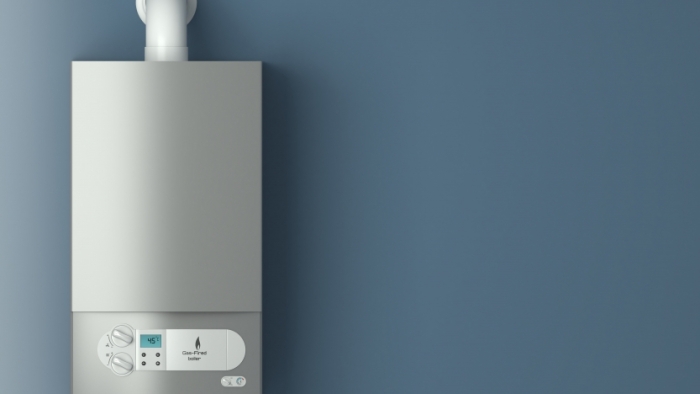
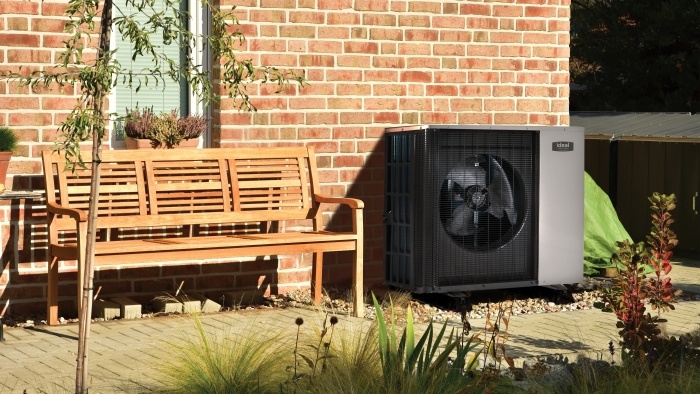
Looking for an alternative to electric storage heaters? Explore smarter, efficient options like air source heat pumps for low carbon comfort or modern gas boilers for fast, responsive heating. You could even consider a hybrid heating system, which brings the two of these together. Upgrade your home’s warmth by choosing the system that fits your lifestyle and budget.
Ready to make the switch? Let’s find the right solution for you.
Comparing your heating options
- Uses cheap, off-peak electricity to charge internal bricks and slowly release heat throughout the day
- 100% efficient - all energy used is converted to heat
- Low cost, simple installation
- Running costs could be higher than gas, as electricity is more expensive - take advantage of off-peak rates
- Low maintenance - doesn't require annual servicing
- Modern models have more control over heat release
- Low carbon
FAQs
Can I repair an electric storage heater?
If you think something's wrong with your storage heater, first check that the controls are set correctly. Then check it hasn’t shut off simply because someone’s opened a window in the room. If that all looks okay, read the instruction manual for troubleshooting advice specific to your model.
What if none of my storage heaters are working?
If none of your storage heaters are working, it’s likely there’s a problem with the heating consumer unit. You can check for a tripped circuit breaker. Otherwise, call an electrician for advice – especially if the problem happens more than once.
How do I get my storage heater repaired?
If you’ve only got a problem with one heater, you may need a storage heater repair. If the storage heater’s still under warranty – or you have a service contract for it – call the customer service number for advice. If not, try the manufacturer’s helpline, in case they have a list of approved electricians to recommend.
Can I remove a storage heater?
Moved into a property with some old storage heaters that you don't want? Removing it will depend on how the storage heater has been wired. If it only uses a standard plug socket, you can unplug it and remove it from the wall. Otherwise, you might need an electrician to make the wiring safe. If in doubt, always call out a qualified electrician to come and check for you.


