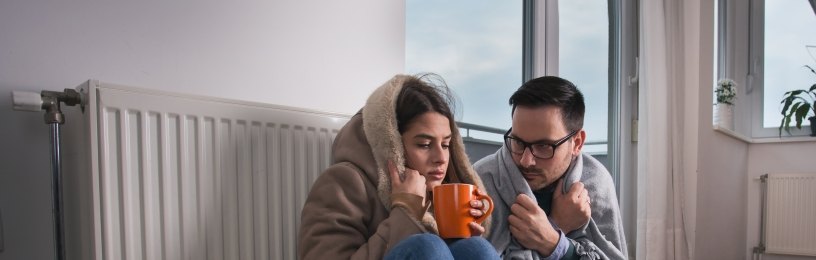
Tips for when you have no heating or hot water
There are few things more frustrating than losing heating or hot water in your home, especially during the cold winter months. To save you from the stress, we’ve put this blog together with some practical steps to follow if your boiler ever breaks down.
On this page
- No heating and hot water
- I have heating, but no hot water
- I have hot water but no central heating
- Why is my electric heater not working?
- Replace your boiler
No heating and hot water?
Coming home to a cold house with freezing water is far from ideal, but don’t panic. Before calling out an engineer, take a look at the checklist below - you might discover a quick fix for the problem yourself.
Step 1: Check if there’s a problem with the power
- Test gas appliances and electric sockets - you might be experiencing a power cut. If there’s a power cut, none of your appliances will work. Check your gas hob and electrical sockets; if they’re working fine, try some of the other steps below.
- Check your isolator - the isolator switch is designed to cut off power to a specific circuit and is usually located inside your meter box. If it’s turned off, this could be the reason your heating or hot water isn’t working.
- Check your trip switch - trip switches, on the other hand, are part of your home’s consumer unit (also known as a fuse box). You’ll typically find the fuse box in places like the garage, hallway, kitchen, utility room, or under the stairs. If any of the switches in your fuse box are in the ‘off’ position, turn them back on and try your heating and hot water again. It’s possible that the electricity supply to your boiler was briefly interrupted, and resetting the trip switch may resolve the issue.
- Have a prepayment meter? Check your prepayment meter balance to ensure you have enough credit to cover your gas and electricity.
Step 2: Check that your pilot light hasn’t blown out
Check if your boiler’s pilot light has gone out. See how to relight it in our blog on how to solve 10 common boiler problems, or use your boiler manufacturer’s instructions. If it won’t stay lit, you’ll need to contact a qualified Gas Safe engineer to arrange a repair.
Step 3: Check and adjust your boiler pressure
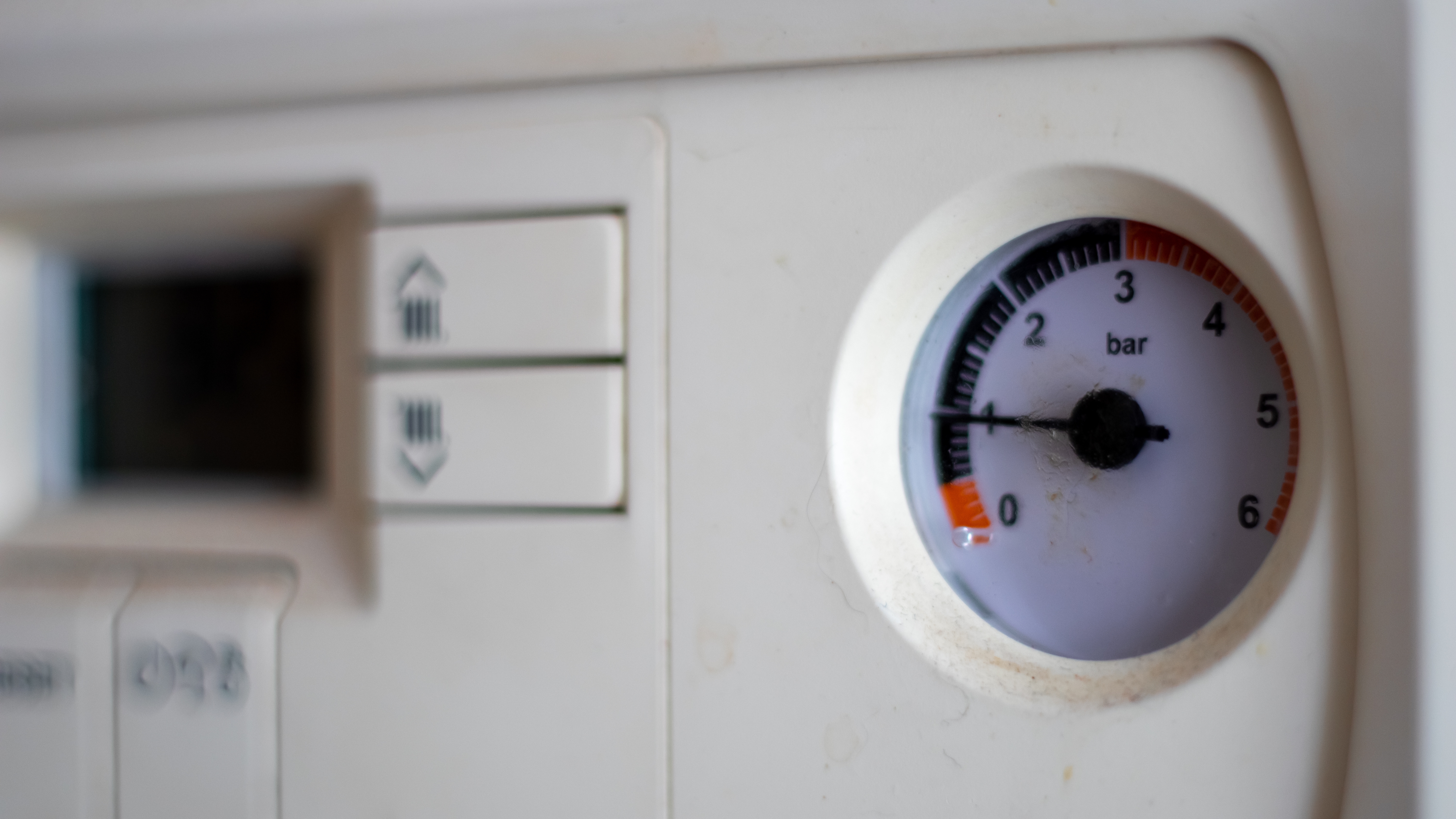
Go to your boiler and take a look at the pressure gauge. When the boiler is off or cold, the pressure should read between 1 and 1.5. If it’s outside this range, adjust the pressure using the water valve. Keep in mind that re-pressurising the boiler may require a reset. If you're not sure how to do this, check our boiler pressure guide for step-by-step instructions.
Step 4: Make sure your thermostat is high enough
Sometimes, a faulty thermostat can throw a spanner in the works. If you suspect all is not well, here's what you should do: Firstly, set your thermostat to 21 degrees to see if the boiler switches on. Check that your thermostat settings haven't changed due to an accidental knock. If nothing's changed and the time is set as you expected, it might be time to replace it. A qualified professional can do this for you. Call 0800 497 0705(1) to arrange a repair.
Step 5: Check your timer settings are correct
Power outages, a simple nudge to the control panel or even the clocks changing can change your timer settings. Double-check them and make any necessary adjustments. Then, set the heating to come on in 15 minutes to test if it’s working properly.
Step 6: Make sure the temperature controller is turned up
Your boiler will have two dials on the control panel: one for water temperature and another for central heating. Make sure the heating dial is set to the maximum, and the water dial to 60°C, then test your heating and hot water again
Step 7: Check your water tank/cylinder
The issue might be with the thermostat or programmer on your water tank. Double-check the settings and adjust them as needed.
Step 8: Check if your loft tank system is open-vented
If there’s a small tank in your loft, your boiler system might be open-vented, and it's possible that the float ball valve has become stuck. If it’s safe to access, then check if the float ball valve is stuck and gently free it if needed - this should get water circulating again.
Step 9: Bleed your radiators
If you find that your radiators are not as warm as they should be, or even if they're ice cold, try bleeding them. You can call a plumber or do it yourself. Find out how to bleed your radiators.
Step 10: Make sure your pipes aren't frozen
If it’s freezing outside, you might have a frozen pipe. Use hot water or a warm compress, like a hot water bottle, to gently thaw the pipe. Then, try your heating again.
Step 11: Switch your boiler off and on
You’ll likely find the power switch near the boiler or in the airing cupboard. Turn it off for a few seconds, then turn it back on to see if that restarts your heating and hot water.
Step 12: Try resetting your boiler
Find the reset button on the front panel of your boiler. Check your manual for guidance on how to reset your system and see if that gets it working again.
Step 13: Check for a leak
Gas line leaks are a serious safety concern and can prevent the use of heating and hot water. Look for leaks in all connections, turn off the main valve, and check for wetness or any unusual gas odours. A "rotten egg" smell means a leak, and you should call the National Gas Emergency line immediately on 0800 111 999. This number is free to call and will get you in touch with a professional quickly.
If you’ve tried all of the above and you still have no heating or hot water, it’s time for a Gas Safe engineer to take a look.
Arrange an emergency boiler repair
I have heating, but no hot water!
If your heating is on but there’s no hot water, the thermostat may have been accidentally turned down to zero. Check the settings and adjust if needed. If everything appears to be fine, follow the earlier steps to troubleshoot, particularly steps 4, 6, and 7. If the issue persists, avoid tampering with the boiler. It’s likely a fault that needs a professional engineer’s attention. We recommend that you have your boiler inspected as soon as possible.
Call us on 0800 497 0705(1) to arrange an engineer visit.
I have hot water but no central heating!
If your boiler is working and you have hot water, but no central heating, the issue is likely with the settings or a faulty component, like the motorised diverter valve. If adjusting the settings doesn’t help, the valve may need to be replaced, which should be done by a qualified engineer.
Why is my electric heater not working?
There are several reasons why your electric heating may not be working. These could be:
- A blown fuse: unplug the device and check the fuse box (switching all back on). You may need to replace the fuse or reset the circuit breakers.
- Power supply down: check the main power supply (and if it's not working, follow our steps for dealing with a faulty thermostat). If the main supply is working, check the power switch. If this is broken, you'll need to replace it.
- Auto safety shut off: unplug the device and let it cool for 15 minutes, then plug it back in. The auto safety switches on when the appliance gets too hot.
- Faulty cord: check the cord isn't faulty or broken anywhere.
If you still can't get your heater to work, there might be an issue with the heating element, which would probably need to be replaced. If you're unsure or can't fix the issue, always contact a professional by calling us on 0800 497 0705(1).
Replace your boiler
For peace of mind, why not look into boiler cover? We've teamed up with Domestic & General to offer boiler insurance and a range of boiler maintenance and support plans.
If your gas or LPG boiler has broken down, you might be able to repair it. If it's beyond repair, you could have a brand-new, energy-efficient boiler installed. We work with trusted boiler partners who can help you get this done. Learn more about getting a new boiler with us.
Look after yourself
Living in cold conditions can be harmful to some people’s health. Take a look at the NHS cold weather advice to see if you're at risk. If this is the case for you, please be sure to make your personal situation clear to your engineer. That way, they can quickly resolve your heating and hot water problems.
Not with EDF? Get a quote and explore our energy tariffs.
Related articles

What is the average energy bill in the UK?

What is a kWh? Understanding electricity usage and costs
