How to bleed a radiator
As it starts to get chillier outside, making your home feel warm and comfortable becomes more important than ever. Even the smallest adjustments can have a big impact, so it’s a great time to make sure your heating system is working efficiently. Bleeding your radiators is a simple yet effective way to boost efficiency, save energy, and ensure every room stays comfortably warm all winter long.
What does bleeding a radiator mean?
Trapped air in your radiator can reduce its performance by 6%(1), stopping your home from staying warm this winter. Bleeding your radiator is a simple way to get rid of this air.
When air gets stuck in your radiator, it can block the hot water which means it only heats up halfway. If your radiators feel cold, even when the heating’s on, it probably needs bleeding. The good news? You can call a plumber to sort it out, or you can do it yourself!
What's the difference between bleeding, flushing and balancing a radiator?
There are a range of different ways that you should be maintaining your radiator, so it's important to figure out what your radiator needs as they can differ in process, purpose and difficulty.
- Bleeding your radiator: this involves removing trapped air from individual radiators to improve their efficiency. It’s a simple task that can often be done without professional help.
- Balancing your radiator: this process adjusts the flow of hot water to ensure all your radiators heat your home evenly. While it can be done yourself, it’s more time-consuming than bleeding a radiator.
- Flushing your radiator: over time, debris and sludge can build up inside radiators, reducing their efficiency. This is a more complex task, and it’s recommended to hire a professional to carry out the process.
How do you know if you need to bleed your radiators?
Here are a few signs that your radiator might need bleeding:
- Cold spots on the radiator, especially near the top
- Radiators taking a long time to heat up
- Gurgling noises when the heating kicks in
Still not sure? It’s worth bleeding your radiator anyway! If you hear a hissing sound, that’s the trapped air escaping. Once the hissing stops, you’ll know the air is gone, and your radiator is all set.
How to bleed a radiator
Bleeding a radiator isn’t as complicated as it seems and can be done at home as you have the right tools and follow this handy guide! By following these steps, you can make sure your radiators are working efficiently and keeping your home warm. It should only take around 30 seconds to a minute to bleed each radiator.
Tools you’ll need:
- A jug to catch excess water
- A towel
- A radiator bleed key
Radiator bleeding instructions:
- Turn off your heating to prevent getting splashed by hot water.
- Have your bleed key at the ready. If you don't have one to hand, you can buy one from your local hardware or DIY shop.
- Place a towel and container underneath the valve on the floor to catch any water that may come out of the radiator.
- Find the valve on one of the top corners of the radiator.
- Use the bleed key to open the valve slowly - turning about a quarter of a turn anti-clockwise. Bleeding a radiator with a key is the best way to do this safely.
- You'll hear a hissing sound as the air releases from the valve. When the sound stops and water begins to drip, close the valve by turning it in a clockwise direction.
- Repeat the bleeding process on all radiators that require bleeding.
- Turn your heating back on and check that your radiators are working once more.
How to check if your radiator has been bled properly?
To check that you've bled your radiator properly, you should monitor your boiler and make sure that there isn't a large drop in boiler pressure after bleeding your radiator. If this has happened don't panic, you can read our guide on fixing your boiler pressure.
How often should I bleed my radiators?
We recommend bleeding your radiators every few months. It’s a quick, easy way to keep things running smoothly all year round. Regular bleeding helps take the strain off your boiler and keeps your radiators working efficiently.
What are the benefits of bleeding your radiators?
There are many benefits to bleeding your radiators, here are just a few!
- Increased efficiency - removing the trapped air allows for even heating throughout your home
- Energy savings - efficient radiators use less energy, which could mean lower energy bills for you
- No more cold spots - bled radiators ensure that your home is warm throughout, no more cold spots
- Longer lifespan - regular bleeding reduces strain on your radiators, helping them last longer
What happens after bleeding your radiator?
After you've bled your radiator there are a couple of checks that you need to do to make sure that everything is running smoothly. Checking your boiler pressure is the first thing you need to do, the pressure should be between 1.0 to 1.5 bars when off and 2 when on.
Once you've checked your boiler pressure it's time to turn your heating back on and check your radiators, there should be no more cold spots anymore which means everything is running as it should and you'll be warm all winter long.
What to do if your radiator is still not hot after bleeding
If your radiator is still not hot after bleeding there is no need to worry. There are a few steps that you need to follow to understand what the cause of the problem is. If you've followed these steps and still are having no luck, then it may be time to call in an expert.
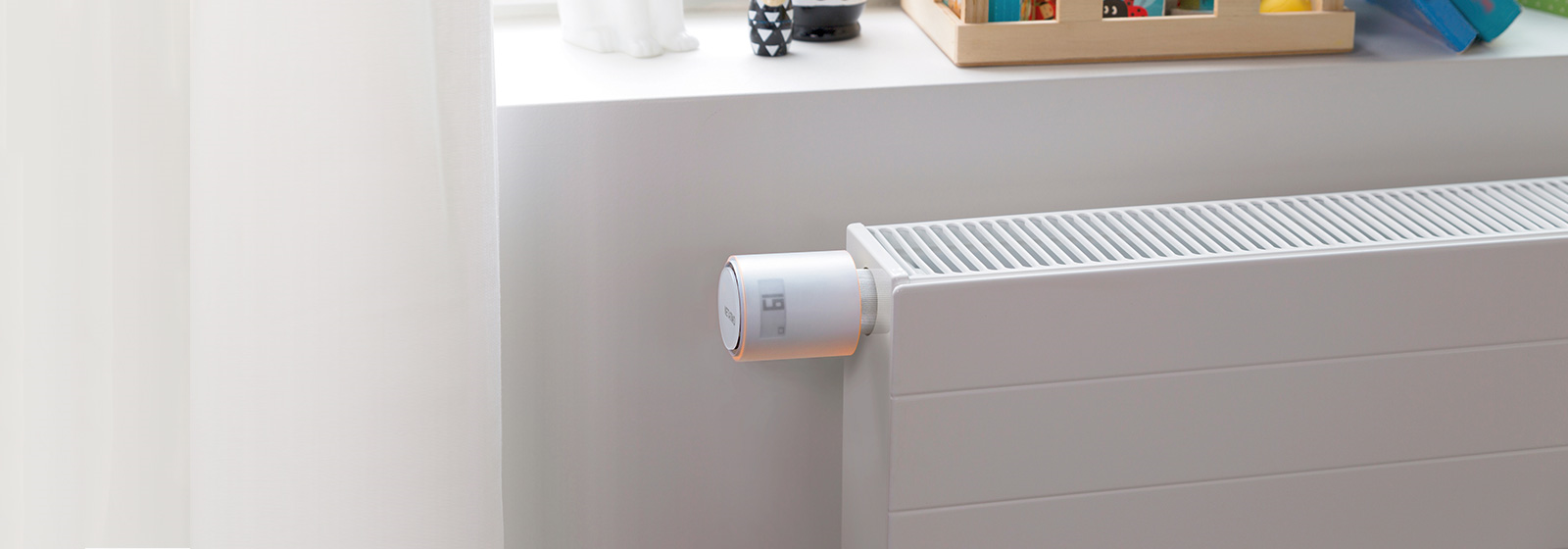
- Check your TRV (thermostatic radiator valve) - the TRV can sense how warm the room is and adjust the radiator to maintain a set temperature in the room. If your radiator stays cold even when the heating is on, the TRV might have a stuck pin. If this is the case, turn your heating off and find the valve on the side of your radiator with the temperature dial, remove its cap, and check the pin. If it’s stuck, gently move it up and down with a spanner to free it. Once loosened, replace the cap, turn the heating back on, and your radiator should warm up.
- Flush the system - if the TRV pin isn't stuck, the issue could be a blockage in the system. Flushing the system can clear debris and restore performance but it can be a tricky and messy job. If you're not confident doing this yourself, it could be time to call in a professional to assess the problem and handle the flush.
- Balancing your heating system - check your boiler pressure and adjust your radiator valves to balance the flow of hot water. You can do this by yourself but if you're unsure a professional will be able to help you identify and resolve the issue. We offer boiler repair and boiler cover services to help fix and keep your home heating running smoothly.
Time for a new boiler?
If your heating system still isn't keeping up, it might be time to think about getting a new boiler. A new boiler may be more efficient and not only help you stay cosy but also save you money on your energy bills.
Tips for keeping your radiator working efficiently:
Now that you've bled your radiators and let all that trapped air out, you’re off to a great start! But to keep things running smoothly there are a few more easy things you can do to keep your radiators in top shape.
- Clean your radiator - when dust builds up it affects how cold air flows through your radiator, which in turn affects how much hot air you get out. If there are some parts of your radiator which are tougher to reach a top tip is using a hairdryer!
- Don't cover your radiators - items placed on or under the radiator will mess with your radiator since cold air is drawn from the bottom of the radiator to rise out of the top
- Keep an eye on your boiler - if your radiator is underperforming you should check your boiler, the dial should be in the green zone (usually between 1 and 2) and if it's not you may need to fix this
Looking for more ways to stay warm this winter?
Why not explore other ways to heat your home?
A great option is an electric radiator. Reliable and energy efficient, electric radiators keep your home warm while giving you greater control over your heating.
Another great choice is an air source heat pump. These systems are not only highly energy efficient but also help lower your carbon footprint and can keep your energy bills down.
Explore our range of electric radiators and air source heat pumps to make this winter your warmest yet!
Related articles

What is the average energy bill in the UK?

What is a kWh? Understanding electricity usage and costs
