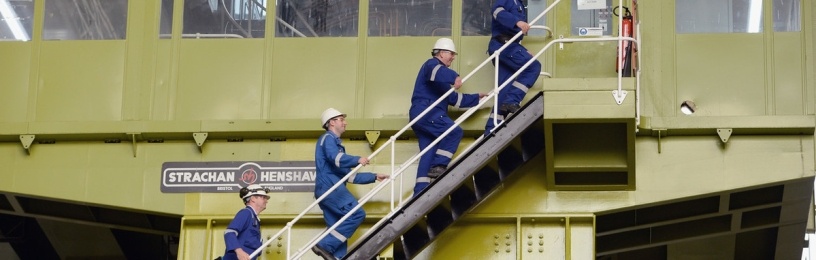
EDF to restart Hunterston B power station and confirms plan to move into decommissioning phase by January 2022
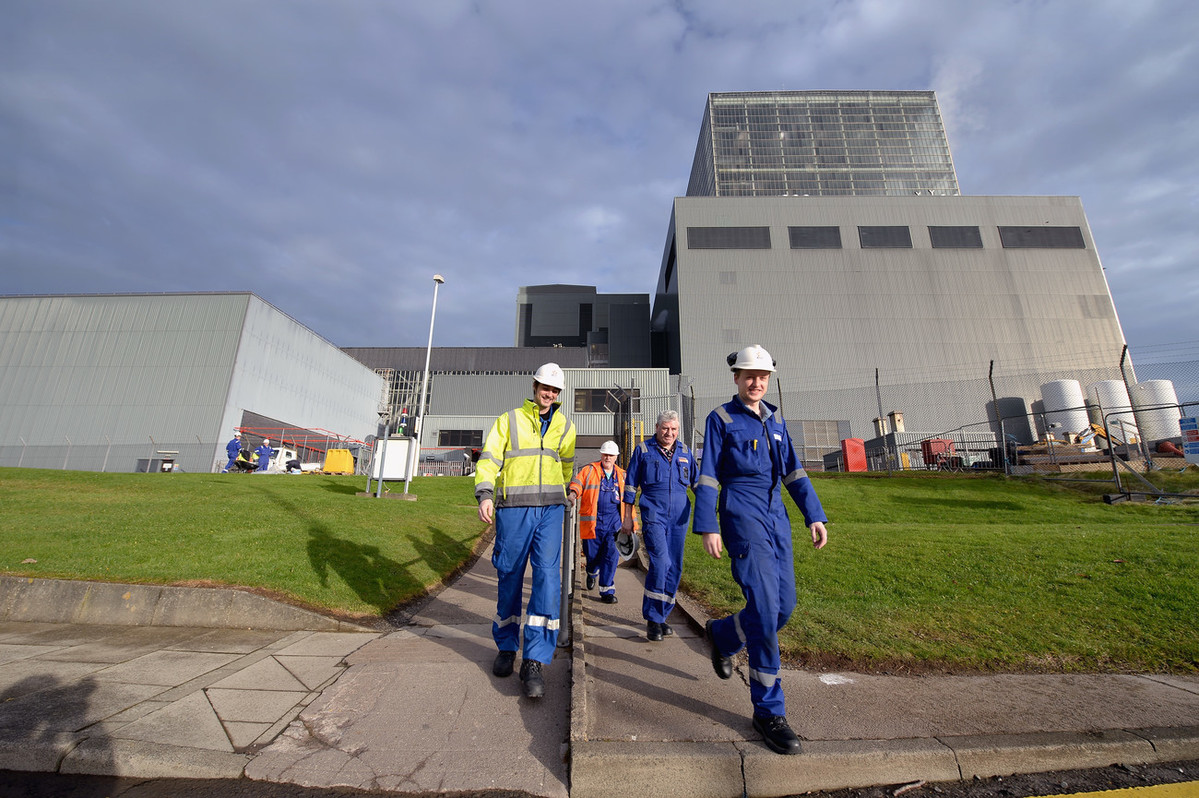
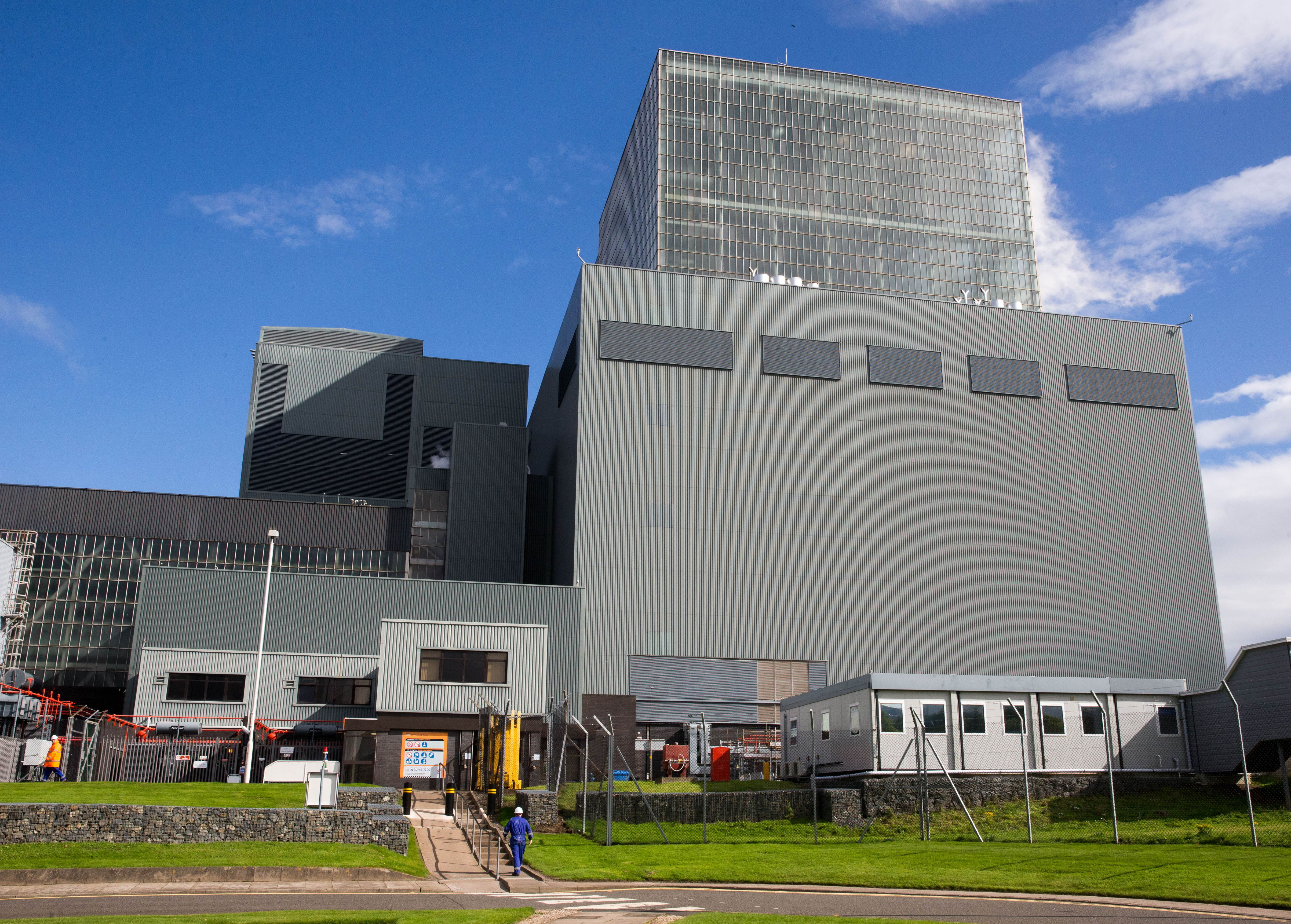
EDF has received approval to start generating low carbon power again from one of the reactors at Hunterston B power station in Ayrshire, Scotland. This follows a major, two-year inspection and investment programme to prove that the station can respond safely to a range of earthquake scenarios, far worse than the UK has ever experienced or expects to occur.
Given the age of the station and the desire to provide clarity for our staff, the community and business partners, EDF has decided that Hunterston B will move into the defuelling phase no later than 7 January 2022. This is subject to a further inspection in Spring 2021 and then regulatory approval for a final 6 months of operation.
Hunterston B started generating low carbon electricity in 1976. In 2012 EDF extended the generating life of the station out to March 2023, with a +/- 2 years proviso.
Matt Sykes, Managing Director for EDF’s Generation business, said: “Hunterston B has quietly delivered a major contribution to the UK for more than 40 years. It has far exceeded its original remit and, over its lifetime, gone on to safely produce enough low carbon energy to power the whole of Scotland for 8 years.”
“We didn’t know back in the 1960s, when these plants were designed, just how important low carbon energy would become. We owe all those that designed, built, commissioned and still operate the station a huge debt of gratitude. Our focus is on continuing to safely deliver the last period of power generation and then transition the station into decommissioning.”
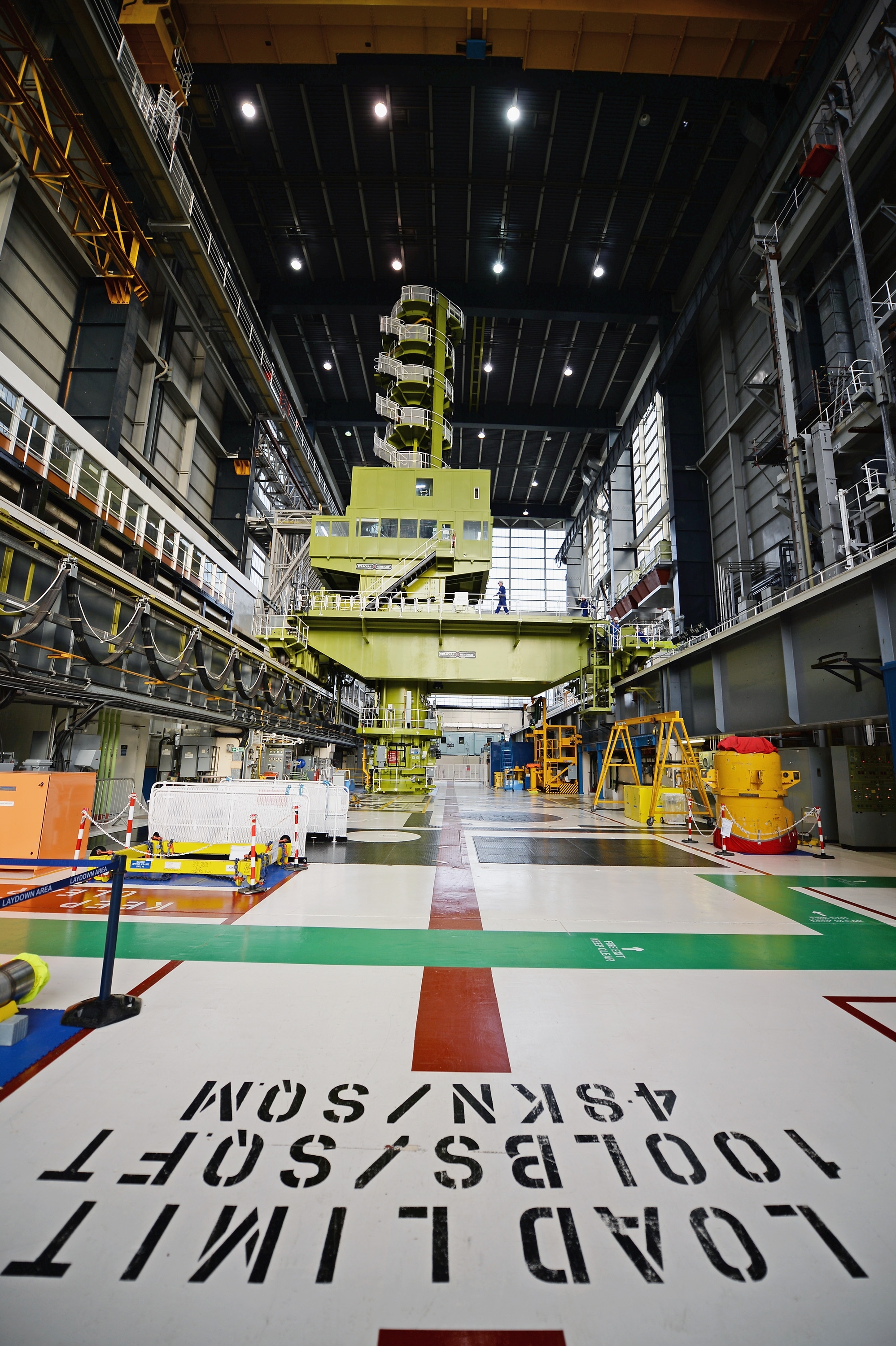
Once Hunterston B stops generating power, EDF will take on the next task of defuelling the station, the first stage of the nuclear decommissioning process. Preparations for defuelling have been underway for a long time and, once started, the process is expected to take a few years to complete. Defuelling will involve continued use of EDF’s uniquely experienced teams, and specialist supply chain companies, thereby helping sustain an important source of local jobs in Ayrshire and the surrounding economy.
Simone Rossi, EDF’s UK CEO, said: “I am extremely proud of all those who have run Hunterston B for more than 40 years. Today’s announcement underlines the urgent need for investment in new, low carbon nuclear power to help Britain achieve net zero and secure the future for its nuclear industry, supply chain and workers.”
EDF is building European pressurised water reactors (EPRs) at Hinkley Point C and developing plans for a replica plant at Sizewell C. It also has a minority stake in the Bradwell B project.
For more information contact:
Fiona McCall – External Relations Manager (Scotland) - fiona.mccall@edf-energy.com
Matthew Pardo – External Relations Manager - matthew.pardo@edf-energy.com
Or call EDF’s media line on 01452 65 22 33 and a member of the team will respond.
Notes to editors
- Hunterston B is one of a fleet of 7 Advanced Gas-cooled Reactors (AGR) around the coast of Britain that, whatever the weather conditions, have reliably provided around 15% of the country’s power supply over the last 3 decades.
- Reactor 3 at Hunterston B has been offline since March 2018 when it was taken off for graphite inspections. ONR has accepted EDF’s safety case for Reactor 3 and has granted permission for its restart.
- Reactor 4 at Hunterston B was taken offline in October 2018 for graphite inspections. In August 2019 the ONR granted permission for the reactor to be returned to service for a period of approximately 4 months. The reactor had a safe, continuous run from August-December 2019 during which time it generated enough electricity to power more than 300,000 homes. The ONR is currently assessing the safety case for Reactor 4 and its current expected return to service date is 17 September. Subject to regulatory approval EDF is planning for two runs of six months for Reactor 4.
- Hunterston B started generating in 1976. In 2007 its estimated end of generation date was extended from 2011 to 2016. In 2012 the estimated end of generation was extended to 2023, with a +/- 2 years proviso.
- Hunterston B has around 500 staff and 250 contractors working on site and an annual wage bill of £40m. The station contributes £54m to the North Ayrshire area each year.
- All seven of the UK’s AGR reactors have graphite cores. EDF has invested more than £200million over the past seven years in to understand how this graphite will change over time and provide assurance of its safety in both normal and extreme circumstances. Find out more about graphite. Information is also available on the ONR website.
- View information on current AGR lifetimes.
- Decisions on end of generation dates for EDF’s nuclear power stations in the UK are independent of the regulator or government and are taken by EDF’s licensee board following recommendations from EDF Energy Nuclear Generation Limited’s Executive. They are then endorsed by relevant senior Boards and, if needed, shareholders. To comply with market regulations, once agreed, any change to forecast generation dates must be promptly published on the REMIT transparency website operated by Elexon, and will also be published on EDF’s transparency website. The decision on the change of end of generation date for Hunterston B was taken following a series of EDF executive, board and shareholders meetings on 27th August 2020.


About EDF
EDF is driving the transition towards An Electric Britain – a secure, affordable, low-carbon future for everyone. As Britain’s biggest generator of zero carbon electricity, we are investing more than £100 million weekly in Britain’s electricity infrastructure. We supply millions of customers with electricity and help homes and businesses switch to electricity for heating, transport and industrial processes.
We operate five nuclear power stations and more than 35 onshore wind farms and three offshore wind farms. Since 2009, EDF has invested almost £9 billion in the nuclear fleet to improve reliability and extend station lifetimes. The five generating stations currently supply about 12% of the UK’s electricity demand.
EDF is building the UK's nuclear renaissance with the construction of a new nuclear power station at Hinkley Point C. We are a minority investor (12.5%) in and major supplier to a replica plant at Sizewell C in Suffolk. Hinkley Point C and Sizewell C will provide low carbon electricity to meet 14% of UK demand and power around 12 million homes. EDF Group companies Framatome and Arabelle Solutions have a presence in the UK and manufacture critical equipment such as reactor pressure vessels and turbines.
EDF is enabling its 5 million customers, both in business and at home, to choose electric solutions that save cash and carbon, whether it is buying an electric car, generating and storing electricity, selling energy back to the grid or installing solar panels or a heat pump. In 2025, EDF’s Customers business was ranked as one of the Sunday Times’s Best Place to Work.
It is also one of the UK’s leading developers of renewable energy through EDF power solutions UK and Ireland. We have more than 2GW of renewable generation in operation and over 10GW in construction, planning and development across a range of technologies including onshore and offshore wind, solar and battery storage.
We are one of the largest suppliers to British business and a leading supplier of innovative energy solutions that are helping businesses become more energy independent. In addition, the company’s energy services business, Dalkia, is one of the UK and Ireland’s largest technical service providers.
Related articles

Torness runners power on for charity

Heysham power station apprentices are on the right track
