
Fully charged: the power behind EVs
As the electric world continues to grow, electric vehicles (EVs) are revolutionising the way we drive. But do we understand what they are and how they work? We’re here to take you through the types of EVs we see on our roads, how their engine and charging works, and how EDF could help with starting your road to net zero!
WATT types of EVs are there?
There are several types of EVs, each designed to meet distinct needs and preferences. In this section, we'll explore the different categories of EVs:
Fully electric vehicles
These run only on electricity and get there power when plugged in to charge. This type of vehicle doesn't need petrol or diesel, so don't produce emissions like internal combustion engine ones. Fully electric vehicles are great for those who can regularly charge their vehicle and want a totally electric, lower-emission ride.
Plug-in hybrid vehicles
These vehicles have both an electric motor and a traditional internal combustion engine. They can run on electricity for a limited range before switching to fuel, typically petrol or diesel, once the battery is empty. While driving on electricity, they produce no emissions, but when using fuel, they do. Plug-in hybrids can be recharged by plugging into an electricity source, allowing for some electric-only driving. This makes them a great option for drivers who want the flexibility of using both electricity and fuel, reducing emissions on shorter trips while maintaining the range and convenience of a conventional engine.
Hybrid-electric vehicles
These run mainly on fuel but also have an electric battery, which is recharged through regenerative braking. This lets you switch between using your fuel engine and using 'EV' mode at the touch of a button. Some are designed so the car itself switches between using the electric battery or traditional fuel. For example, driving in lower speeds, the vehicle can swap to battery only, then when power is increased, they use petrol or diesel. These vehicles can’t be plugged into an electricity source and rely on petrol or diesel for energy. Therefore, hybrid-electric vehicles are great for people looking for better fuel efficiency without needing to worry about charging.
WATT are the inner parts of an EV?
EVs have about 90% fewer moving parts compared to internal combustion engine vehicles, making them simpler and more efficient. Internal combustion engine vehicles burn fuel to create mechanical power. EVs, however, operate by plugging into a charging station and drawing electricity from the grid. This electricity is stored in rechargeable batteries, which supply power to an electric motor, that drives the wheels. Let’s break down the key components of an EV:
Battery
The battery is the heart of an EV, storing the electricity needed to power the vehicle. The capacity of the battery, measured in kilowatt-hours (kWh), directly impacts the range of the EV — the higher the capacity, the further you can travel on a single charge.
Capacity and kWh explained
Kilowatt (kW) vs. kilowatt-hour (kWh):
Kilowatt (kW) is a unit of power that measures how much energy is used or produced per unit of time. Power is the rate at which energy is consumed or generated.
Kilowatt-hour (kWh) is a unit of energy that represents the total amount of energy consumed or produced over a specific period of time.
- For example- a 100-watt lightbulb uses 0.1 kWh each hour, as 100 watts = 0.1 kW and using it for 1 hour gives 0.1 kWh.
Energy consumption
Effect of speed on energy consumption
A home consumes an average of 3,100 kWh of energy per year.
An EV consumes an average of 2,000 kWh of energy a year so owning an EV will add, on average, a further 2,000kWh of energy, on top of a household's average 3,100kwh per year energy consumption.
The faster you drive, the more power (kW) your car needs, especially because air resistance increases sharply at higher speeds. However, there’s a sweet spot for efficiency, usually at moderate speeds, where the car uses just enough power to keep moving without wasting too much energy. Staying in this range helps you get the most out of your battery. This is also true of internal combustion engines.
Electric motor
The electric motor drives the wheels of the EV, providing the power needed for movement. Motors can be either direct current (DC) motors or alternating current (AC) motors, but modern EVs typically use AC motors because of their superior efficiency, performance, and reliability.
Inverter
The inverter is a key component that converts the battery’s DC into AC to power the motor. It also adjusts the motor's speed and torque.
DC-DC converter
This component steps down the high-voltage power from the main battery pack to lower voltages needed for lights, infotainment systems, and other electronics.
Charging system
Charging an EV involves plugging it into a wall outlet or a dedicated charging station. The charging system converts the incoming AC electricity into DC to store it in the battery.
Thermal management system
Efficient temperature regulation is vital for the performance and longevity of EVs. The thermal management system ensures that the battery, motor, and inverter operate within safe temperature ranges, preventing overheating which maximises efficiency.
Controller (vehicle control unit or motor controller)
The controller acts as the brain of the EV, managing power delivery, driving modes, and motor operations. It ensures that the vehicle responds smoothly to driver inputs.
Regenerative braking system
One of the unique features of EVs is regenerative braking, which captures kinetic energy during braking and converts it into electricity. This recovered energy is stored back in the battery, improving efficiency.
Transmission
EVs typically use a single-speed transmission to transfer power from the motor to the wheels. The simplicity of this system is a key advantage over the complex multi-gear systems in internal combustion engine vehicles.
Charging port
The charging port serves as the interface for connecting the EV to an external power source, allowing the battery to be recharged.
High-voltage cables
These cables connect the main battery pack to high-power components like the motor, inverter, and DC-DC converter. They are heavily insulated to safely handle the high electrical loads.
Auxiliary battery (12V battery)
EVs include a smaller 12V battery to power features such as lights, the horn, and the infotainment system.
Chassis and structural support
The chassis supports the EV's structure and protects key parts like the battery and motor.
Sensors and electronics
Advanced sensors and electronics power features like self-driving and driver assistance, making driving safer and more convenient
By combining these innovative components, EVs offer an unparalleled driving experience.
How does the EV motor work?
EVs function by plugging into a charge point and taking electricity from the grid. They store the electricity in rechargeable batteries that power an electric motor, which turns the wheels. EVs accelerate faster than vehicles with traditional internal combustion engines – so they feel lighter to drive.
Powering up: How are EVs charged?
So, we now understand the key components that make up an EV, but how do we get those wheels moving on the road to net zero? Let’s delve deeper into how EV charging works:
There are three main types of chargers available:
- Three-pin plug - a standard three-pin plug (like the ones used for household appliances) that you can connect to any 13-amp socket.
- Socketed - a charge point that has a socket where you can plug in either a type 1 or type 2 cable, depending on your EV’s charging port. You would need to your own cable to connect it.
- Tethered- This is a charging point that has a cable already attached to it. The cable will have either a type 1 or type 2 connector, depending on the charging station and the type of vehicle.
You can charge an EV by either:
Plugging into a public charging station.
There are plenty of charging stations around the UK to ensure you stay fully charged- download the Zap-Map app to find the nearest charging station when you're out and about.
Installing, and plugging into, a home charger
Home charging is one of the most convenient and cost-effective ways to keep your EV ready to go. With most home chargers offering 7kW charging speeds, you’ll enjoy much faster charging compared to the 2.3kW of a standard socket. This means you can enjoy faster charging speeds compared to a standard three-pin plug.
Interested in a home charger? Experience fast, reliable charging at home with the Pod Point 7kW Smart Charger. It comes with standard installation and a 5-year warranty, plus the option to schedule your charges during the cheapest times.
But, to get the best deal, it's important to choose the right EV electricity tariff. That way, you can reduce your charging costs and save more on your bill. Explore EDF’s range of EV tariffs, including GoElectric Overnight, Britain’s cheapest EV tariff!
How long does it take to charge an EV?
There are three EV charging speeds:
- Slow - typically rated up to 3kW. Often used to charge overnight or at the workplace. Charging time: 8-10 hours.
- Fast - typically rated at either 7kW or 22kW. Tend to be installed in car parks, supermarkets, leisure centres and houses with off-street parking. Charging time: 3-4 hours.
- Rapid - typically rated from 43 kW. Only compatible with EVs that have rapid charging capability. Charging time: 30-60 minutes.
WATT’S your EV’s range?
The range of an EV is mostly dependent on its battery capacity which is measured in kWh. However, the range is also dependent on factors such as how quickly you drive, accelerate, the terrain you are driving on as well as if you’re using energy for other functions such as heating and air conditioning.
Each model has a different range, battery size, and efficiency. You’re perfect EV will be the one you can use for your normal journeys without having to stop and charge up halfway through. It’s also important to note that the weather affects how much energy your EV consumes. You have a larger range in summer and a smaller range in winter.
To provide you with a range of EV options, we joined forces with DriveElectric. They're one of the UK’s leading EV lease providers and have over ten years’ experience delivering thousands of EVs. Let’s delve into how far some of DriveElectric’s leasing options could go on a single charge:
Volkswagen ID.3
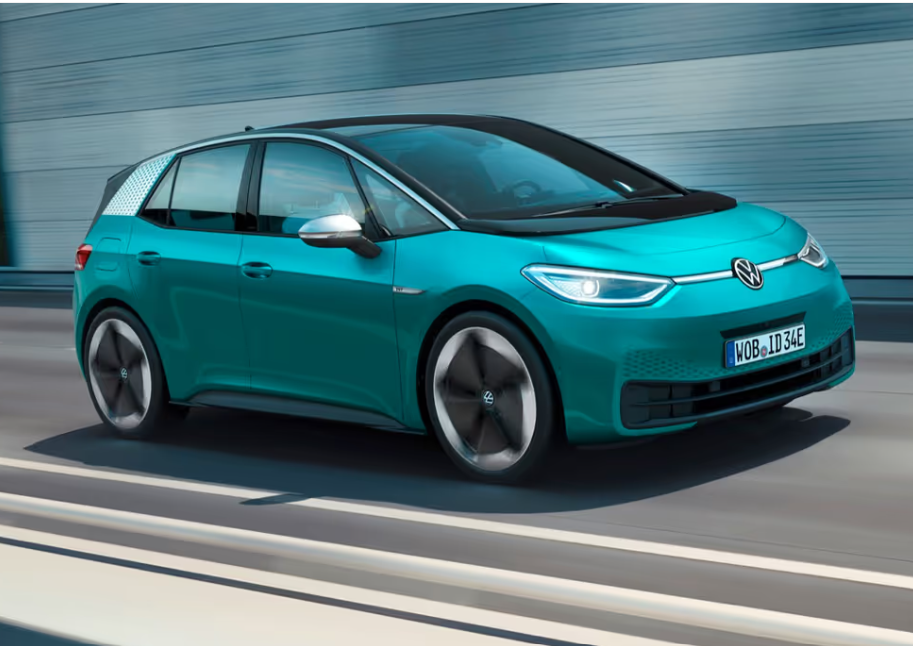
Range: 270 miles
This’s equivalent to a journey from London to Manchester.
Polestar 4
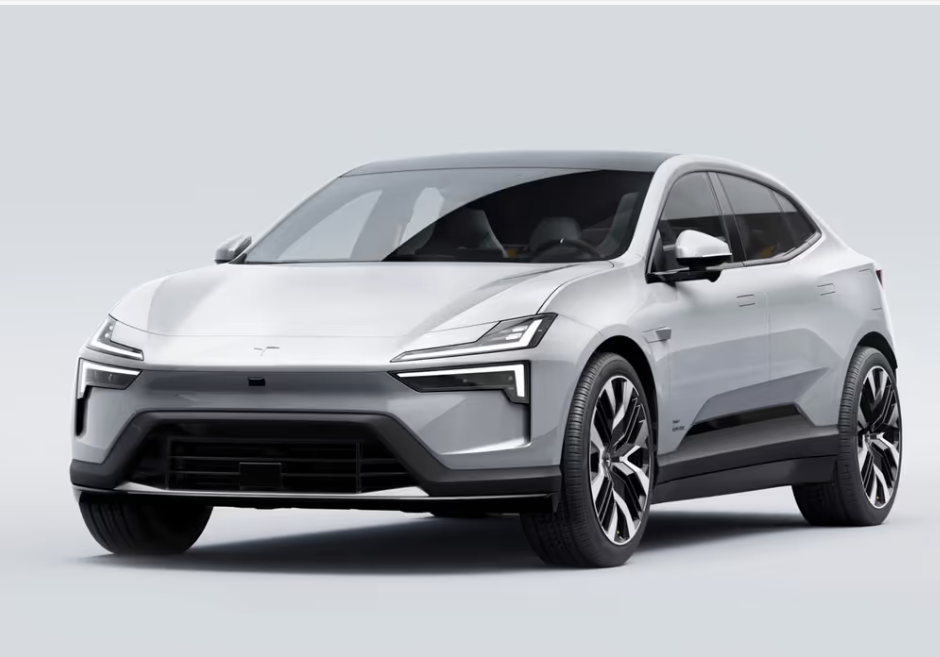
Range: 379 miles
This’s equivalent to a journey from London to Edinburgh.
BYD Seal
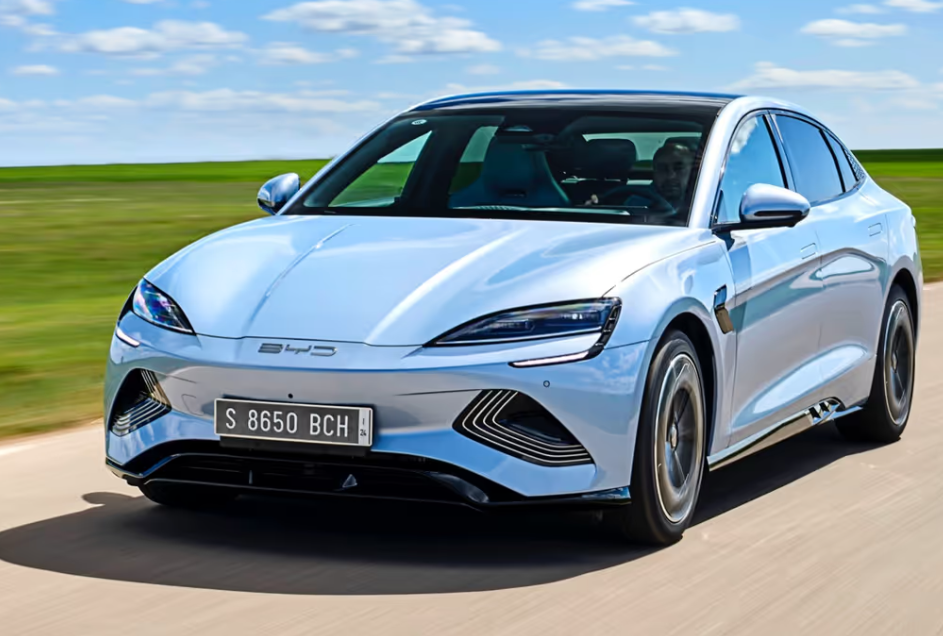
Range: 354 miles
That’s the equivalent to a journey from Bristol to Edinburgh.
Explore all our EV leasing options here.
From understanding the different types of EVs to learning about their range and how they charge, it’s clear that EVs are paving the way for a more sustainable future. Plus, with EDF's range of EV tariffs and Pod Point’s home chargers, you can enjoy convenient, cost-effective charging that fits your lifestyle, whether you are commuting locally or planning longer journeys.
Ready to make the switch? Join EDF and drive towards a cleaner, greener future!
Related articles

EDF offers 4,000 free electric miles in Black Friday EV deal for UK drivers

Ford Puma Gen-E announced as the first EV to qualify for full £3750 grant
