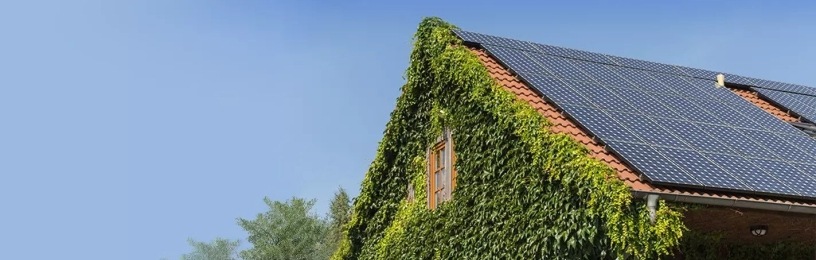
How do solar panels work?
Looking for ways to lower your home energy bill? Solar panels are a great investment that can help you save on electricity costs over time.
Are you considering installing solar panels and wondering about the cost and benefits? We’re here to make it easier for you. You might be surprised at how simple the installation process can be. Once your solar panels are up, you can start taking advantage of solar power right away!
We’re here to guide you through everything you need to know, from cost to installation, so you can make the best choice for your home.
How much are solar panels?
- A solar panel system for a 3 bedroom house would cost around £6,245 (this includes 8 solar panels that are 400 - 465W)
- The above system along with a 5.12 kW battery would cost around £7,995
How do solar panels work?
Solar photovoltaic (PV) systems convert sunlight into usable electricity. The solar panels capture sunlight, which the inverter then converts into electricity. This electricity can be used immediately to power appliances in your home, or it can be stored in a battery for later use when the sun isn't shining. Any surplus electricity that isn't used or stored is redirected to the grid.
Thinking about solar? Here’s what you need to know before you buy.
You can live in cloudy Britain and still use solar panels
Did you know that solar panels work just as well in the UK as they do anywhere else in the world, regardless of the weather? You don't need to live in a place that's sunny all year round to generate solar energy. Even on cloudy days, solar panels can still generate energy. However, it's worth noting that the more sunshine you get, the more energy you'll produce.
A south-facing roof is more suitable
When it comes to solar panel installations, it's important to keep in mind that roofs facing East or West can still be used, but North-facing roofs are not recommended. If your solar panel system faces east or west, it may generate 15-20% less energy compared to a south-facing system.
It's important to consider your surroundings as well. Buildings, trees, and chimneys nearby could cause shading, which can lower the performance of your solar panel system by lowering the amount of current that can pass through them. Ideally, you should find an unshaded spot for your installation. However, sometimes shading is inevitable. In this case it is worth considering solar panels with optimisers, which ensure that each panel remains independent and therefore the current that can pass through is higher.
You shouldn’t need planning permission
Most homes can install solar panels without planning permission but it's best to check with your local council if you have a flat roof or live in a conservation area.
You can still switch suppliers
Of course, you're still free to switch suppliers if you have solar panels. No matter which energy supplier you’re with when you get them fitted, you can still change.
You want to make sure the supplier you go with offers a Smart Export Guarantee tariff, this means you’ll receive a payment for every unit of electricity you export back to the grid! If you're new to EDF, on a SEG tariff you can receive:
- 24p per kWh of energy that you generate
- Potential to have £0 electricity bills(1)
- No exit fees
- A variable tariff
Planning your project
It's possible to integrate solar PV with other renewable technologies, such as heat pumps or solar hot water systems, to increase the efficiency and effectiveness of your renewable energy system. These technologies link up really well and can create a very efficient set up.
If you’re not ready for this step but are trying to be more environmentally friendly, why not join the energy company that's busy building Britain’s own wind, nuclear and solar energy supply? Get a quote
Consider getting a battery
Imagine never having to worry about losing power during an outage or paying high energy bills again. Installing a solar battery storage solution means you can store excess solar energy and use it when you need it most. Say goodbye to wasteful energy practices and hello to a sustainable and cost-effective future. Learn more about the benefits of home battery storage today.
Fitting solar panels: what you need to know
Set on going solar? Great to hear! Read on for advice before you buy.
Before your new solar system is installed
Before starting the installation process, your installer will conduct a survey of your home. This is an important step to ensure that the system and design offered are suitable for your property.
The surveyor should assess your home and discuss the shading analysis with you to provide you with the most accurate projected figures. It's advised to obtain a written quote that includes the fixed cost and the projected performance of the system. You're not obligated to commit to the installation on the same day. It's recommended to get quotes from different installers for comparison, ideally three.
Additionally, it's important to consider pigeon-proofing your solar panels, which is easier and cheaper to do during installation. You can inquire about this option from your installer before installation.
The most efficient solar panels
There are two main types of solar panels: PV and thermal. Photovoltaic solar panels (PV) are the most commonly used type, as they harness the sun's energy and convert it into electricity. These panels enable you to power your home's appliances. The other type of panel is solar thermal, which heats water for your home. Most homes install solar PV as we tend to use a lot more electricity, making it the most efficient way to reduce energy bills.
How to use your solar panels after installation
Once your solar panels are installed, you can start enjoying their benefits! You''ll be generating clean energy and reducing your energy bills. However, you'll still have to pay for any energy you consume that is not generated by your solar panels. It is recommended to program your appliances to operate during the daytime to make the most out of your system. Additionally, you may want to consider investing in battery storage or other smart devices that enable you to utilise your free energy effectively.
Maintenance of your solar PV system
Solar photovoltaic (PV) panels are designed to last for at least 25 years with occasional cleaning. Meanwhile, the inverter that converts the DC electricity produced by the panels to AC electricity that can be used in your home will last for approximately ten years. If your inverter needs to be replaced, why not try a solar battery that includes an inverter?
We hope this guide has helped you better understand how solar panels work and how they can benefit your home. Making the switch to solar energy not only helps reduce your electricity bills but also contributes to a more sustainable future. If you’re ready to take the next step, we’re here to help you through the process, from choosing the right panels to installation. Contact us today and you could reduce your bill to nil for 12 months!(2)
Related articles

Solar panel myths debunked: What's fact and what's fiction?

What are plug-in solar panels and how do they work?
