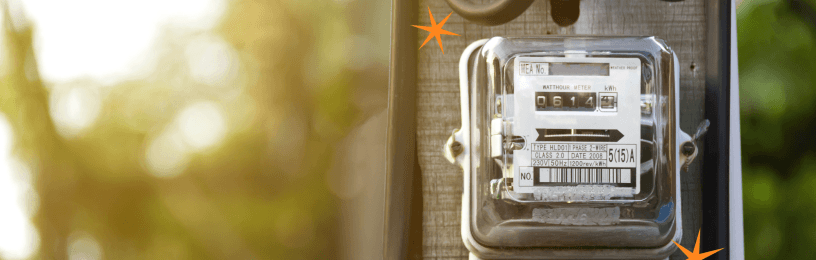
What is a kWh? Understanding electricity usage and costs
Here are our handy tips for understanding kWh and electricity cost per kWh. This will help you save money and energy.
Let’s start with the basics: what is a kW and what is a kWh?
A kilowatt (kW) is the universal standard for measuring power, and a kilowatt hour (kWh) measures energy use. One kW is equal to 1,000 watts, so if you used a 100W lightbulb for 10 hours, you would have used 1kWh of electricity. Your electricity provider charges you based on how many kWh you use, with the cost depending on the unit rates of your energy tariff.
The more kilowatt hours, or kWh, you use, the more you pay. So, how much does 1 kWh of electricity cost?
The amount you pay depends on how many kWh you use and your energy tariff. Because your energy supplier charges for each kWh used, using more energy will typically increase your bill.
However, the cost of each kWh can vary depending on your tariff. Fixed tariffs tend to be the most consistent, as the unit rate doesn't change. Some smart and time-of-use tariffs offer lower electricity rates during off-peak periods, when grid demand is lower. If you're able to shift some of your energy use to these cheaper periods, you may reduce your energy costs, or even benefit from free electricity periods with tariffs like FreePhase.
You may also be able to reduce your energy consumption by choosing more energy-efficient appliances and avoiding unnecessary energy use, such as leaving devices on standby or relying on older, less efficient lightbulbs.
A simple example: lightbulbs
Say you have ten 100W lightbulbs. Together, they use 1kW of power (10 bulbs × 100W = 1,000W = 1 kW). If you leave them on for one hour, they'll use 1kWh of electricity.
If you need to work out the cost of running the bulbs for longer, multiply the power used by the number of hours they would need to be switched on, then multiply by your electricity unit rate.
Example:
1kW × 10 hours = 10kWh
10kWh × £0.26 per kWh of electricity = £2.60
Boom! It’s that simple! Take another look at your energy bill, and you’ll see it start to make more sense.
You can apply this rule to your gas, too (it will have a different unit cost than your electricity, though).
According to the Energy Saving Trust, the national average price (as of November 2025) per pence/kWh of electricity is £0.26. Your exact unit cost depends on your supplier, meter type, where you live, what tariff you're on and how you pay.
What determines my electricity cost per kWh on my energy bill?
We supply the kW power to meet the “demand” of our customers, and demand determines the price. The price varies depending on your supplier, tariff, meter type, and region type. According to the Energy Saving Trust, the national average price for kWh in pence is £0.26. There are two main factors you can focus on when choosing your electricity and gas tariff:
- The unit rate - in kilowatt hours (kWh) is the amount you're charged for the energy you use.
- The standing charge – this is a flat fee charged daily whether you're using any gas or electricity or not. This pays for everything needed to get the energy to your property via the National Grid.
When comparing energy deals, check these carefully. Whilst a tariff might have a low kWh unit rate, the price of the standing charge may be high, so check before you sign up.
How much energy does the average household use?
The Ofgem price cap dictates how much energy suppliers can charge per unit of electricity and gas; it's calculated using typical domestic consumption values (TDCV) for an average household, meaning how much gas or electricity they expect an average household to use in a year.
This table shows the latest TDCV figures from Ofgem for average low-, medium-, and high-usage properties. The TDCV data can be used to calculate approximately how much the average house might pay for its electricity and gas over the year:
Usage profile | Electricity use (kWh/yr) | Electrcity cost (£/yr) | Gas use (kWh/yr) | Gas cost (£/yr) |
|---|---|---|---|---|
| Low (typically 1-2 people/bedrooms) | 1,600 | £416 | 6,000 | £360 |
| Medium (typically 2–3 people) | 2,500 | £650 | 9,500 | £570 |
| High (typically 4–5 people) | 3,800 | £988 | 14,000 | £840 |
The cost per year was calculated using the national average cost of 26p per unit of electricity and 6p per unit of gas, and does not take into consideration the standing charges. It's important to remember that your energy bill is based on your actual usage, rather than these averages; these are just the figures that help Ofgem to determine the price cap. But the more you reduce your energy use, the lower your energy bills could be. Read more about what makes up the average energy bill in our Energywise blog.
How much energy do you use?
How much did that morning cuppa cost you? Is it important? Yes! Here’s why it’s worth knowing what electricity price you pay per kWh and how to easily convert your electricity cost per kWh into pounds and pence.
- Understanding how energy suppliers work out your bills
- Knowing why some appliances use much more energy than others - and how much individual appliances use
- Understanding why you should turn appliances off at the wall to save on costs, and why you shouldn't leave them on standby.
Three steps to becoming an energy-saving expert
Now that you’ve learned how kWh is used to measure your electricity consumption, and how you can use this to estimate running costs, you can start to build a clearer picture of how you use and manage energy in your home. Having a better understanding of where your energy goes can help you to spot opportunities to reduce your bills and lower your carbon footprint.
Here are three easy steps to get you started:
Step 1 - Check how much your appliances cost to run
From fridges and microwaves to laptops and TVs, every electrical appliance in your home uses energy to run, costing you money and contributing to your household's carbon footprint.
Most electrical appliances display their power rating in watts (W) or kilowatts (kW). Using this power rating, the amount of time you typically use them and the unit rate on your current energy tariff, you can estimate how much each appliance costs to run.
Cost (£) = (Appliance power (kW) × Hours used × Unit rate (pence per kWh)) ÷ 100
For example, if your fridge has a power rating of 200W and it is switched on 24 hours per day, using the national average price of 26p per kWh, we can work out the following:
Appliance power (kW)
0.2kW = 200W ÷ 1,000
Cost per day (£)
£1.25 = (0.2kW × 24 × 26p) ÷ 100
This means it would cost approximately £1.25 to run a 200W fridge for one day, annually this would come out to £455.52. You can use this calculation for any appliance. Here are some examples of other common household appliances:
These examples are just a fraction of what you use at home, but they can give you some really vital insight. If you have gas central heating, you can use the same calculation to determine how much your heating might be costing you; simply swap the electricity unit rate for the national average gas price per kWh, currently 6.3p.
You can also use the Citizens Advice consumption comparison tool to help you work out an estimate.
Step 2 - Look for simple ways to shift or reduce your energy use
Once you understand just how much electricity different appliances use, it becomes much easier to find habits that might be increasing your energy bills. Building a clearer picture of your home’s energy use can help you make smarter decisions about when and how you use electricity, which may lower your energy costs. It’s not just about reducing your energy consumption either, by learning how to shift your usage to cheaper periods, or taking advantage of tariff-specific benefits, could really help you to make the most of your energy.
Even small changes can make a big difference:
- Switching off appliances instead of leaving them on standby
- Replace lightbulbs with more energy efficient LED bulbs or smart lightbulbs
- Turn down the temperature on your laundry cycle
- Upgrade your older appliances for more efficient models
- Get a smart meter installed so you can track your usage and access smart time-of-use tariffs like FreePhase
Check out our Energywise blog for all the latest information on how to make better, more practical decisions for your home to help save cash and carbon. There’s no better time to start building new habits than right now.
Step 3 - Make sure you're on the right tariff
The tariff you’re on determines how much you pay per unit of gas and electricity, which means it’s important you’re on a tariff that suits your home and energy habits. Some tariffs offer fixed prices, while smart and time-of-use tariffs can come with different rates depending on when you use energy.
No two homes are the same, so the best way to choose a tariff is to think about what you need from your energy agreement. For example, EV tariffs can offer cheaper overnight charging, solar tariff can help you get more value from the energy you generate and utilise cheaper battery charging periods, and smart time-of-use tariffs like FreePhase can give you cheaper off-peak rates and free electricity periods when grid demand is lower.
The right tariff can make you feel much more in control of your energy. It’s a good idea to review your tariff periodically to compare energy tariffs and take advantage of new tariffs when they become available. Whether you're thinking about changing tariffs with your current supplier or looking to switch energy supplier, checking your options regularly can help you find a deal that suits your needs. You can check your current tariff in MyAccount or on your bill, and if you need exact pricing details, you can view your tariff information label any time.
Every little helps
By understanding how much you spend on energy and on what appliances, you will:
- Save money: when you can work out how much your individual appliances and heating costs, you can work out ways of being more efficient. Sometimes, we need that extra dishwasher load or lovely big bubble bath, but once you know what that costs you in pounds and pence, you can be more mindful about how often you indulge.
- Cut your carbon footprint: Once you have a deeper insight into your energy use or average kWh per day, you can see where you really need it and where you’re potentially wasting it.
- Make better, more informed choices: When it comes to broadband, appliances, phones and TV, the amount of choice out there can be overwhelming. Energy is no different. But once you’ve grasped the basics, you can make an informed decision based on each supplier’s electricity price (and gas) per kWh and your average kWh use per day.
Hopefully, you now know your kW from your kWh. And you can make positive changes to how you use and save energy. This, in turn, will positively impact your wallet and the planet!
To learn more about saving energy and cutting your carbon, look at our energy efficiency tips.
And don't forget to check out how we’re helping Britain achieve Net Zero.
Related articles

What is the average energy bill in the UK?

EDF sets aside £30 million to support vulnerable customers over winter, including £6 million in debt support as this continues to rise
