Busting myths about nuclear energy
Nuclear energy gets talked about a lot, but how much of it is actually true? In this article we're going to dive into some of the biggest myths about nuclear energy and shed a light on the truths behind this often misunderstood source of power.
True or false: Nuclear energy is not safe?
False! At EDF, safety is at the heart of everything we do. For over six decades, we’ve safely operated eight power stations across the UK. In fact, nuclear power is one of the most strictly regulated industries in the country.
We take this responsibility seriously, working hand-in-hand with the Office for Nuclear Regulation which is the UK’s independent authority overseeing safety, security, and safeguards.
True or false: Nuclear energy contributes to carbon emissions?
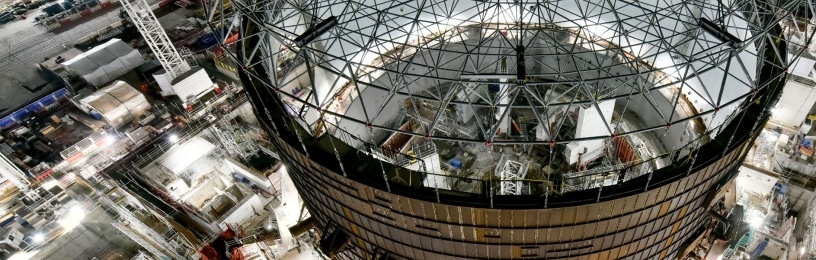
True, but not in the way you might think! Nuclear is a low carbon energy source with one of the smallest carbon footprints. For example, Hinkley Point C (HPC) will save 9 million tonnes of CO2 annually, which is like taking 4 million cars off the road every year!
While nuclear power itself generates zero carbon emissions during operation, the small carbon footprint comes from processes like mining and construction. The steam driving turbine engines is created by heating water through safely controlled atomic fission, not by burning carbon-heavy fossil fuels like coal or gas.
Concerned about carbon emissions? Make your home part of the solution. Visit our Green Home Hub and explore low carbon options like electric vehicles and solar panel systems. Together, we can help Britain achieve net zero.
True or false: We don't need nuclear power in the UK?
False! The UK has a massive, ongoing demand for electricity, and nuclear plays a vital role alongside wind and solar in meeting that demand with low carbon energy.
While wind and solar depend on the weather, nuclear provides a constant, reliable source of power. It’s a crucial part of the UK’s low carbon energy mix.
True or false: Nuclear waste needs to be stored forever?
False! Most nuclear fuel can be recycled, and only a small amount of waste needs long-term storage.
Over 90% of nuclear waste is made up of scrap metal or clothing, which can be safely processed. The other 10%, though radioactive, becomes less hazardous over time and is securely stored above ground until it can be placed in a Geological Disposal Facility deep underground.
EDF safely manages waste onsite during a station's 60-year operation, after which it’s decommissioned, and waste is transferred for long-term storage.
True or false: Exposure to radiation only occurs from a nuclear power station?
False! Radiation exposure doesn’t only come from nuclear power stations. Surprisingly, foods like Brazil nuts, bananas, and coffee naturally contain radiation too.
Every day, we’re exposed to background radiation—it’s all around us, both natural and artificial. Surprisingly, the radiation from the nuclear industry is much lower than what we come across naturally.
Want to learn more?
Explore how EDF’s nuclear projects are driving the UK toward a cleaner, low carbon future.
Not an EDF customer? View and compare our energy tariffs and see how much you could save.
Related articles


November '25 customer newsletter