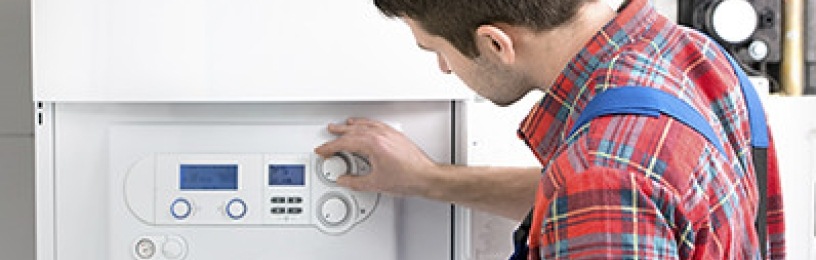
Signs you need a new boiler and when to replace it
Your boiler is one of the hardest working appliances in your home! When your boiler's running smoothly it helps keep your home warm, and your water hot, without you having to do anything. But if it breaks down, not only can it be expensive to fix, but in some cases, dangerous!
Signs your boiler needs replacing:
You need to be able to spot signs suggesting you need to fix or replace your boiler. To make things easier, we've put together a list of problems to watch out for. To help you stay ahead of issues, before they become bigger problems!
There are strange smells coming from the boiler
If a strange 'eggy' smell is coming from your boiler, it’s essential you turn it off immediately and contact a qualified engineer. This could be a sign of a gas leak, which needs urgent attention to keep you and your family safe. In most cases, a gas leak means your boiler will need to be replaced.
The boiler flame is yellow or orange
If the flame of your boiler is yellow or orange, instead of blue, you should call a gas engineer. This could most likely mean that there is a gas leak or the presence of carbon monoxide, both of which can be dangerous. An engineer will be able to let you know the steps needed to be taken to keep you safe.
Your boiler’s leaking, or pipes are dripping
Due to a boiler having multiple water carrying parts, leaks can come from various places – whether it's the component, a damaged seal, or corroded pipes. It's important to get a boiler expert to check whether a leak is an emergency or not.
If a boiler’s left unchecked, it could lead to more serious problems down the line, like damage to your boiler's wiring or even your home. Catching an issue early can help prevent costly repairs down the line.
There doesn't seem to be enough hot water
Not enough hot water for your showers? This could be a sign of a faulty boiler, often due to a broken thermostat or heat exchanger. If so, it may be time to consider replacing your boiler to make sure you always have enough hot water.
Your bills are higher than usual
As your boiler gets older or becomes less efficient it needs more fuel to burn to produce the heat you need. This leads to a higher costing energy bills. Upgrading to a new, energy efficient boiler can help reduce your monthly energy costs.
The boiler keeps shutting off
There could be a variety of different reasons as to why your boiler keeps shutting off, whether it's because of low water pressure, a broken thermostat or frozen pipes. If your boiler’s showing signs of these issues, it may be time to consider using a boiler repair service or replacing it.
There are strange noises coming from your boiler
Boilers are noisy systems in general, so most sounds are nothing to worry about. However, if you do start to hear new, repetitive noises like banging or gurgling it could be a sign of a problem. Depending on what's wrong, repairs might not be an option, so it's important to have an engineer come out and check.
Your boiler’s old
A typical boiler lasts around 10-15 years: so even if yours is still working, it could be time to consider replacing your boiler. Over time boilers can lose efficiency or struggle to maintain pressure, which can lead to higher energy bills and frequent repairs. Upgrading your boiler helps your home run smoothly and more energy efficiently.
It's hard to find parts to repair the boiler
Finding spare parts for repairs can become difficult, and in some cases, manufacturing of certain parts may have completely stopped. This means repairs can become expensive and time consuming, or completely impossible. So, it could be time to upgrade to a new boiler.
The boiler has a low efficiency rating
Older boilers tend to have lower levels of efficiency, with G-rated boilers having as low as 60% efficiency. This means 40% of the energy you pay for is wasted when it comes to heating your home. Upgrading to a new boiler can be a great way to save money while also lowering emissions.
Benefits of replacing your boiler
Lower your heating bills
When you replace your boiler, one of the benefits is that you your energy costs can lower. This is because the more efficient your boiler is, the less energy is being wasted.
Save money on repairs
As older boilers become more prone to breakdowns with parts which are harder to source, upgrading to a new boiler can save you money in the long run. A new boiler is less likely to break down and has more readily available parts, leading to fewer unexpected costs.
More comfort
New boilers are not only energy efficient, but they also operate quietly and smoothly – making your home more comfortable. Plus, their smaller size means they take up less space.
What to consider before replacing your boiler:
If you've decided that replacing your boiler is the best option for you, then there are a few things to consider to make sure that you pick the boiler that will be the best for your home.
Boiler type
There are three types of boilers that you can choose for your home; conventional, system and combi. Which one you go for will depend on your heating needs and the size of your home.
Conventional boiler - If you have a larger home with multiple bathrooms or low water pressure, a conventional boiler could be the perfect fit for you and your home! With a separate hot water cylinder and cold-water tank, it makes sure you always have a steady supply of hot water when you need it.
System boiler - Does your home have multiple bathrooms? A system boiler could be a better option for you. Just like a conventional boiler, it provides all the hot water you need, but with one key difference - it takes water directly from the mains, making it easier to install.
Combi boiler - A combi boiler could be the right choice for you if you are looking for a compact and space saving solution. It heats water instantly when you turn on the tap, without the need for a separate cylinder.
The size of your home
Choosing the right boiler for your home is key, as different boilers can vary in size. Most boilers are now wall-mounted and come in smaller size, but some still require more space.
Conventional and system boilers suit larger homes with room for separate tanks, while combination boilers are a more space saving solution.
Water pressure
It's important that you check your area's water pressure before you choose a new boiler. Conventional boilers are better suited to homes with low water pressure while combination boilers work well if you have good water pressure.
Energy source
When considering a new boiler you need to check the energy source that your home has. For example, if you have mains gas, a gas boiler could be the most cost effective option for you. Your energy source will determine the best fuel type for your new boiler.
Boiler care
An important thing to consider when replacing your boiler is investing in boiler cover to protect against unexpected breakdowns and repair costs. With EDF you can have peace of mind with access to qualified engineers year round.
How much does it cost to replace your boiler?
The cost to replace a boiler varies enormously – starting anywhere from £1,500 up to more than £3,000, but it depends on:
- The size of your home and family: more bedrooms mean more radiators and bathrooms, so you’ll need a strong boiler
- The type of boiler you choose: there are three types of boilers which are combi, conventional or system. Each type of boiler meets different needs with combi boilers giving instant hot water, while system and conventional boilers store it for later
- The hot water flow rate on a combi: how quickly it heats and supplies hot water can affect the buying cost of a boiler
- The warranty: a longer warranty typically costs more
- Solar water heating: This works best with a conventional or system boiler, as both store hot water in a tank.
How long does it take to install a new boiler?
If you're having a straightforward combi replacement boiler, it should only take a day. But if it’s a more complex installation it could take two or more days. Your gas engineer should be able to give you more information about timescales and what to expect.
Are there any grants or support on offer to replace your boiler?
If you’re looking to replace your boiler, check if it’s still under warranty, as some come with up to 10 years cover. You could also have options through your boiler insurance or home insurance: emergency cover may help cover replacement costs. If upfront costs are a concern, consider paying monthly or renting a boiler, though these options might include interest or a deposit.
You could also be eligible for support through the Boiler Upgrade Scheme, which offers grants for air source heat pumps to help make your home more energy efficient.
Time for a new heating system?
Whether you're looking to repair your boiler, get a new boiler or explore other options altogether – EDF has a range of solutions to suit you and your home.
Why not look at an air source heat pump which can be over 300%(1) more efficient than a gas boiler, low maintenance and makes use of renewable energy for a more sustainable future.


