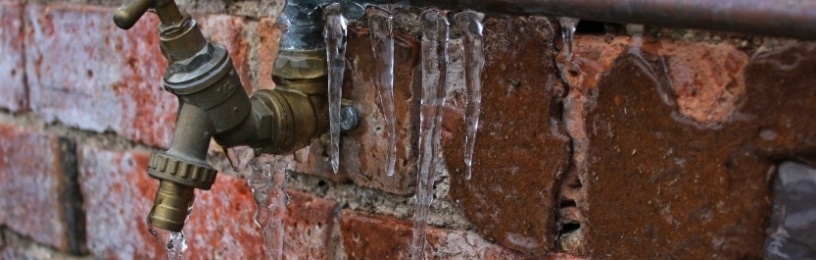
Frozen Pipes? What to do and how to check, prevent and avoid damage
Why do pipes freeze? Well, simply put, your pipes always have a little water in them, and when temperatures plummet, that water freezes, and once it freezes, nothing can pass through. But the real danger isn’t just the blockage. As water turns to ice, it expands, creating intense pressure inside the pipe. If that pressure has nowhere to go, the pipe can crack or even burst, leading to major leaks and costly damage once everything thaws. That’s why preventing frozen pipes isn’t just a winter convenience; it’s essential home protection.
How frozen pipes can affect your heating system
Frozen pipes can disrupt your entire heating system. If the pipes feeding your boiler or radiators freeze, the system can lose pressure or shut down completely. In some cases, a frozen condensate pipe (a common issue in UK boilers during cold weather) can cause the boiler to lock out as a safety measure. Left unresolved, this can put strain on internal components and lead to costly repairs once everything thaws. Keeping vulnerable pipework insulated and warm helps protect not only your plumbing but also your heating system as a whole.
What causes frozen pipes?
Pipes freeze when the water inside them drops to 0°C or below. Even unused pipes hold a small amount of water, and once that water turns to ice, it can expand and block the pipe. In the UK, the risk rises sharply when outdoor temperatures fall to around -6°C, especially in uninsulated or exposed areas.
A few factors make freezing more likely:
- Cold, unheated spaces: lofts, garages, basements and exterior walls are common trouble spots.
- Poor insulation: pipes without proper insulation lose heat quickly.
- Pipe material:
- Copper conducts cold easily, so it freezes faster and is more prone to bursting.
- Plastic pipes (like PEX or PVC) are slightly more flexible, giving them a bit more tolerance, but they can still freeze solid.
- Older galvanised steel pipes can freeze too, particularly in draughty or older properties.
How to check for frozen pipes
First things first, how can you actually tell if your pipes are frozen? Here are the four common signs to look out for:
- Bad smells from the tap or drain. If the pipe is frozen, the only way the odour can escape is back up towards your home.
- Little to no water coming from the pipe. If you turn on the tap and only a slight trickle or no water comes out, the pipe leading to the tap may be frozen.
- Frost on the outside of the pipe. If you see visible frost on the pipe, this may serve as a warning that the pipe is on its way to being completely frozen.
- The temperature of the pipe. If the temperature falls to 0 degrees or lower, your pipes could be likely to freeze.
What to do if you think a pipe is frozen
1. Turn off the water supply - shut off the stopcock (usually under the sink or where the mains enters your home) to prevent pressure building if the pipe does split.
2. Locate the frozen section - common spots include lofts, garages, basements and under sinks. A pipe that feels unusually cold, looks frosty or isn’t letting water through is a good indicator.
3. Gently warm the pipe - use a hairdryer, warm towels or a hot‑water bottle. Start at the end nearest the tap and work backwards. Never use a blowtorch, open flame or anything that could scorch the pipe.
4. Be patient - thawing can take anywhere from 30 minutes to a couple of hours, depending on how cold the pipe is and how accessible it is. Keep the area warm and allow the process to happen gradually.
5. Turn the water back on slowly - once thawed, open the stopcock a little at a time and check for leaks. If you spot any damage, turn it off again and call a plumber.
6. If you can’t find the frozen section or nothing is thawing, it’s best to contact a professional; forcing it can cause more harm than good.
How to prevent frozen pipes
Keep your heating on
Even when you’re out, keep the heating on at a low, steady temperature. This helps stop pipes in colder areas of the home from dropping below freezing.
If you’re going on a trip:
- Set your thermostat to a low but consistent temperature.
- Open internal doors to let warm air circulate.
- Leave cupboard doors open under sinks so warm air can reach the pipes.
- Ask a neighbour or friend to check in if you’ll be away for a long stretch.
Turn your taps on regularly
Run taps briefly every so often during very cold spells. Moving water is far less likely to freeze, especially in vulnerable or rarely used pipes.
Myth‑busting:
- A dripping tap doesn’t guarantee pipes won’t freeze - it may help reduce pressure if a pipe does freeze, but it won’t stop the water inside the pipe from turning to ice if the temperature drops low enough.
Insulate pipes and water tanks
Insulate exposed pipes in lofts, garages and under sinks, and fit an insulation jacket to your hot‑water tank. Good insulation keeps heat in and cold out.
What to do if a pipe bursts
A burst pipe can cause serious damage fast, so knowing the signs and acting quickly makes all the difference.
Signs of a burst pipe:
- Sudden loss of water pressure
- Damp patches on walls, ceilings or floors
- Unusual sounds in the plumbing, like hissing or dripping
- Water pooling where it shouldn’t be
- An unexpected spike in your water bill
What to do straight away:
- Turn off the water supply - locate your stopcock (usually under the sink or where the mains enters your home) and turn it clockwise to turn off the flow.
- Switch off the electrics if water is near sockets or appliances - if water is close to any electrical points, turn off the power at the fuse box.
- Drain the system - open all taps to let remaining water escape. This helps relieve pressure and reduce further leakage.
- Contain the damage - use towels, buckets or bowls to catch water. Move valuables and furniture out of the way if you can do so safely.
After the immediate steps:
- Call a qualified plumber to repair the pipe properly.
- Document the damage with photos for insurance purposes.
- Start drying the area using ventilation or heating to prevent mould.
When to seek further help
If you’ve followed the steps above and still aren’t getting anywhere, it’s time to bring in a professional. Frozen pipes can be tricky, and forcing a fix can cause more damage. A qualified plumber can safely locate the blockage, thaw the pipe and check for hidden cracks or leaks you might not spot yourself.
It’s also worth considering that the problem might not be frozen pipes at all. If you’ve lost heating or hot water, the issue could be with your boiler rather than your plumbing. A boiler fault can mimic the symptoms of frozen pipes. In that case, you’ll need a Gas Safe engineer to diagnose and repair the boiler safely.
Finally, if a pipe has burst or you’ve discovered water damage, contact your home insurance provider as soon as possible. Most insurers expect you to report leaks promptly and document the damage. Taking photos, keeping receipts for emergency repairs and following their guidance will help ensure your claim goes smoothly.
Related articles


Common electricity, gas and smart meter questions answered
