Solar panel myths debunked: What's fact and what's fiction?
Thinking about getting solar panels but not sure what to believe? Will they work in the winter, and can they be installed on my roof? There are a lot of myths and misconceptions out there about solar panels; how they perform, how much they cost and how practical they are. But a lot of these commonly held beliefs are just that: myths.
Here, we’re separating fact from fiction and answering some of the most frequently asked questions about how solar panels work, so you can decide whether they could be right for your home.
Myth: Solar panels need direct sunlight to work
The facts: Solar panels work using daylight rather than heat or direct sunlight. This means they can still generate electricity when it’s cloudy.
Yes, it's true you’ll generally get more electricity from your solar panels on clear, sunny days, as stronger sunlight means more energy reaches the panels. But clouds don’t block all sunlight. So, rain or shine, your panels will continue to generate electricity, maybe just at a slightly lower level on those grey days.
Myth: Solar panels don’t work in winter
The facts: As solar panels use light rather than heat to generate electricity, they can generate electricity whenever there's daylight, even on cold or cloudy winter days. You might notice that your panels generate less electricity during winter due to the shorter days and fewer hours of sunlight, but that doesn’t mean they stop working.
Solar panels are typically installed at an angle, which can help snow and ice slide off more easily, although accumulation may still occur during severe weather.
Myth: Solar panels are useless at night
The facts: Solar panels do not generate electricity at night. No daylight, no energy. But that doesn’t mean the energy they generated during the day can’t help power your home after dark.
Pairing your solar panels with a solar battery can help you make the most of the energy your panels produce by storing any excess energy generated during the day and using it at night when you need it most.
And if your battery runs out, your home can simply draw the electricity it needs from the grid as usual.
Myth: Most homes aren’t suitable for solar panels
The facts: Solar panels can be suitable for many homes, but suitability depends on factors such as roof size, orientation, pitch and shading.
As Martin Aylward, Head of Zero Carbon Homes at EDF puts it:
"Many of the concerns we hear about solar panels are based on information that is years out of date. Solar technology has evolved significantly over the last decade, but many of the myths haven't kept up. That's why it's important for homeowners to understand the facts before making a decision."
So here are the main things to consider:
- Size: More roof space means room for more panels, and the potential to generate more electricity. An average solar panel system typically needs around 15–20m² of roof space
- Direction: A south-facing roof is ideal, particularly if it isn't shaded by nearby trees or buildings. East and west-facing roofs can also be suitable, although they’ll typically generate less electricity
- Pitch: While pitched roofs are generally ideal for solar panels, Contact Solar can also install solar panels on suitable flat roofs using specialist mounting systems such as SunTub. Suitability will be confirmed during your survey.
Every home is different, so the best way to know for sure is to have your roof professionally assessed. An expert can look at your property and recommend a solar panel system that suits your available space and energy needs.
Myth: You always need planning permission for solar panels
The facts: In most cases, you won’t need to apply for planning permission to install solar panels. That’s because they’re usually covered by permitted development rights, which allow certain home improvements without a full planning application.
There are some exceptions. Different rules may apply if you live in a listed building, conservation area or another designated area, like a national park, so you may need to check with your local planning office.
Myth: Solar panels are too expensive to be worth it
The facts: It is an upfront investment, with the cost of solar panels and installation starting from £5,775 (including 0% VAT), but they could help you save money on your electricity bills in the long term.(1)
Here's how:
- The electricity your solar panels generate is free to use and means you'll need to buy less from the national grid
- If you pair your panels with a solar battery, you can reduce your reliance on the grid even more by storing the electricity you've generated to use when there's no daylight, like at night
- With a Smart Export Guarantee (SEG) tariff, you may be paid for surplus electricity exported back to the grid, helping to improve the overall value of your solar system
Myth: Solar panels need lots of maintenance
The facts: Solar panels are generally low maintenance and do not typically require annual servicing to continue generating electricity. Rainwater will usually do much of the cleaning for you, but it’s still worth occasionally checking for a build-up of dirt or debris, or nearby trees that could shade your panels and affect their performance.
Myth: Solar panels don’t last very long
The facts: According to the Energy Saving Trust, solar panels that have been properly installed can keep generating electricity for 25 years or more, so you shouldn’t need to replace your panels after just a few years.
Myth: Solar panels are dangerous
The facts: Like any electrical system in your home, solar panels need to be installed correctly. But when fitted by qualified professionals, they’re designed to provide a safe and reliable way to generate electricity.
Solar panels and their electrical components have to meet strict safety and quality standards. A professional installer will also make sure your system is designed for your property, securely fitted and connected safely to your home’s electricity supply.
It makes choosing an experienced, MCS accredited installer like Contact Solar, one of the most important ways to make sure your solar panels are installed safely. Contact Solar, a subsidiary of EDF, is a Which? Trusted Trader, so you can feel confident your solar panels will be installed to industry standards and designed to safely generate electricity for years to come.
Myth: Solar panels will damage my roof and take up too much space
The facts: Your roof will be thoroughly surveyed to make sure it’s suitable and safe as part of your solar panel installation.
And you don’t need to cover your entire roof with solar panels. The average solar panel system takes up about 15-20m² of roof space, based on a typical solar system for a three-bedroom home that includes nine solar panels. With the average UK residential roof measuring around 60-80m², you may need less space than you think to make solar work for your home.
Myth: Solar panels are ugly – and they’re not really environmentally friendly
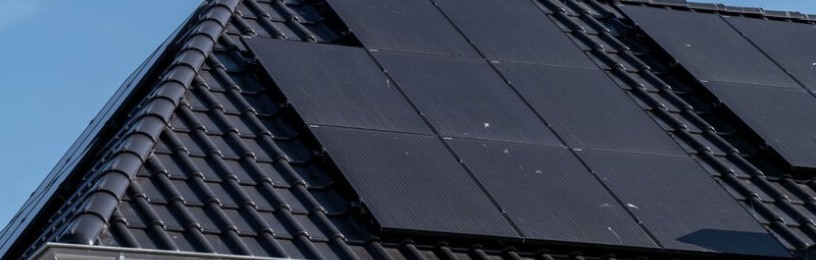
The facts: While the appearance of solar panels is a matter of personal taste, modern designs can be more discreet than you'd think. We use all-black solar panels, giving them a neat, uniform appearance on your roof. And, because we design your system to suit your your home and available roof space, you shouldn't need to cover your entire roof with panels.
And as for their green credentials, like most tech, solar panels need raw materials to manufacture. But here's the difference: once installed, they generate renewable electricity from daylight without burning fossil fuels. This can help reduce your reliance on electricity from the grid and lower your home’s carbon footprint.
Myth: Solar panels are easily damaged
The facts: Solar panels are designed to be a long-term addition to your home and, while damage is possible, a properly installed system can keep generating electricity for 25 years or more.
It’s worth occasionally checking your panels for signs of damage or anything that could affect their performance. Dirt, leaves and bird droppings are more likely to create a build-up on the surface of your panels than cause any serious damage, and rain will usually wash much of this away. But to make sure your solar panels keep working to their potential, the Energy Saving Trust recommends a light clean every 12 to 24 months.
Could solar panels be right for your home?
Solar panels don't need regular maintenance or perfect weather to generate renewable electricity. And with the right setup for your home, they could help you rely less on electricity from the National Grid and even reduce your electricity bill to nil.(2)
With EDF, you can get solar panels and a solar battery installed by Contact Solar. They're a Which? Trusted Trader so you can be confident will deliver excellent customer care, specialist installers and importantly, reliability.
- Free home surveys as part of the no-obligation quote
- 0% VAT on specified panels and batteries
- No deposit needed(3)
Ready to see what solar could do for you?
Related articles

What are plug-in solar panels and how do they work?

How do solar panels work?
