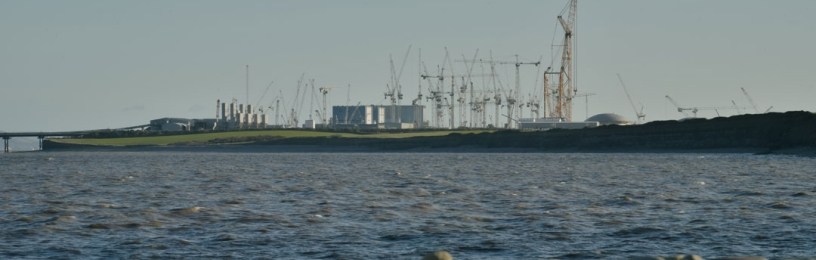
Fish Protection Measures and the Removal of an Acoustic Fish Deterrent
On Friday (2nd September), the Secretary of State for the Environment, Food and Rural Affairs ruled against Hinkley Point C’s application not to install one of three fish protection measures originally proposed for the power station. The acoustic fish deterrent is meant to deter fish that can hear from entering the cooling water intakes. The project will now look at the decision in detail and will consider its response.
Many power stations have taken cooling water from the Bristol Channel and Hinkley Point C will be the first to include any fish protection measures at all.
The two protection measures include a fish recovery and return system and special water intakes. These are designed to slow down the water entering the cooling system so that fish can swim away. They are also placed in a way that means the tide carries fish over and around the intake heads themselves. It’s a big improvement from older power stations that we have seen around our coastlines.
An acoustic fish deterrent system is a relatively new technology that was in its concept stages when it was proposed in our original planning application. We asked to install the first two fish protection measures but make a change to remove the acoustic fish deterrent.
This proposal is based on two key reasons:
Firstly, expert environmental evidence from the Government’s own marine science experts has shown that even without the acoustic fish deterrent installed, Hinkley Point C will have a negligible impact on the fish populations in the Bristol Channel. Very large numbers of fish are eaten by other fish, marine birds and porpoises, whilst fishing can also sustainably take at least 10% - 20% of the adult population every year without affecting population levels. The worst case predicted effect of Hinkley Point C with the planned two fish protection measures in place varies by species, but would be much less than 1%.
Secondly, there are very clear safety challenges of maintaining dozens of sound projectors offshore in the Bristol Channel. The area has poor underwater visibility and is one of the highest tidal ranges in the world. The danger that divers would be subjected to cannot be justified for a system that will have almost no benefit.
See more information on our fish protection measures and the evidence to support the removal of the acoustic fish deterrent.
Related articles

We are Here to Listen: How to Get in Touch with Hinkley Point C

How is Hinkley Point C benefiting the local community?
