Why we’re dredging mud in the Bristol Channel
There have been a number of highly inaccurate reports in recent weeks about our plans to dredge and move mud in the Bristol Channel, as part of the construction of the Hinkley Point C power station.
We know these reports have caused concern across South Wales – and even further afield.
That’s understandable because the reports have claimed that the mud is radioactive, that it hasn’t been tested properly and that it could pose a threat to human health and marine life.
The facts are that the mud has been independently tested and those tests show it isn’t radioactive according to stringent UK law.
To help you understand what we are doing, why we are doing it and what’s really in the sediment we’ve outlined the facts below.
The facts
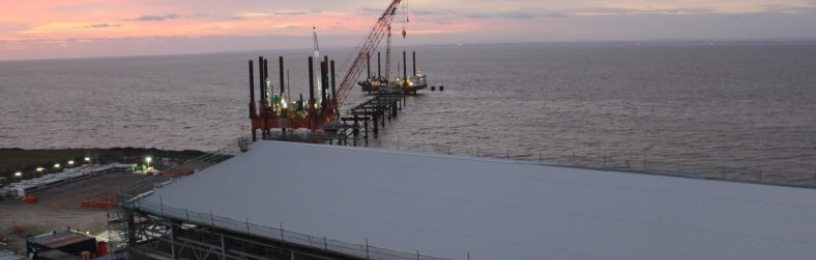
In 2018 we will be dredging mud from the seabed off the Hinkley Point C site ahead of drilling six vertical shafts for the cooling water system for the new nuclear power station.
We are one of many companies - over many decades – dredging mud in the Bristol Channel and depositing it at the licensed disposal site at Cardiff Grounds – part of the Bristol Channel.
The mud is typical of sediment found anywhere in the Bristol Channel – it’s no different to sediment already at the Cardiff Grounds.
There have been inaccurate claims about the radiation levels of this sediment and the testing we’ve done. The sediment is not classed as radioactive under UK law. It poses no threat to human health or the environment.
The sediment has been tested by an independent, expert body (CEFAS) in 2009, 2013 and 2017 - this included sampling at depth, contrary to some of the inaccurate claims, testing and radiological impacts were assessed using internationally accepted best practice.
There are naturally occurring levels of radiation in everyday objects - fruit, coffee, nuts, and many more. While not radioactive under UK law, the sediment does have extremely low levels of radioactivity. More than 80 per cent of that radioactivity is natural. The remainder is a miniscule amount of radioactivity from industry, not just the nuclear industry, but also pharmaceutical plants and others.
But the level of the natural and artificial radioactivity in the sediment is so low it poses absolutely no human or environmental health risk whatsoever. In fact you'd get less of a radiation dose from the radiation in the sediment, from being close to the mud for several hours per day, every day of the year, than from the radioactivity you would from eating twenty bananas a year.
As you would expect, we are working closely with a number of statutory bodies, including Natural Resources Wales, and the Environment Agency. This ensures the environment and public are protected at all times as both agencies also act as our regulators.
And why Cardiff Grounds? Why not elsewhere? We have to deposit the sediment within a specific area in the channel due to environmental rules to protect flora and fauna. Put simply, the sediment has to be put within a designated area and Cardiff Grounds is the only suitable local licensed site.
We’ve covered this information in more detail in our full Q&A pack.
You can keep up to date with the progress at the Hinkley Point C site on Instagram and Twitter.
Related articles

We are Here to Listen: How to Get in Touch with Hinkley Point C

How is Hinkley Point C benefiting the local community?
