Understanding rising TNUoS Costs – What small businesses need to know
Energy costs are made up of more than just the electricity you use. A significant part of your bill covers the cost of maintaining and operating the UK’s electricity network. One of these charges is called Transmission Network Use of System (TNUoS) – and it’s an area where costs are increasing across the industry.
At EDF, we believe in being open about what’s happening in the wider energy system, even when we’re shielding you from the impact. So here’s a clear breakdown of what’s changing, why it matters and what it means for your business.
What is TNUoS?
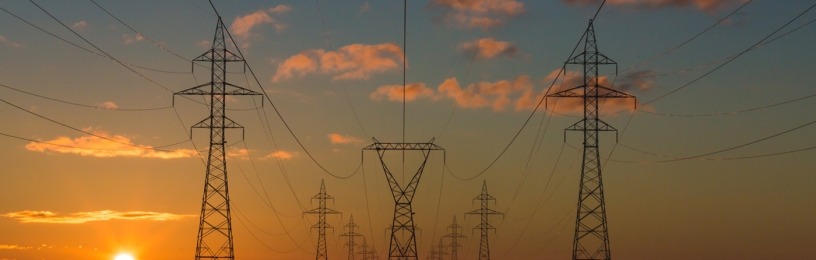
TNUoS charges are set by National Grid ESO and cover the cost of transporting electricity across the high‑voltage transmission network. These charges help fund:
- Upgrades to ageing infrastructure
- Connecting new renewable generation
- Ensuring the system remains reliable and resilient
- Managing supply and demand across the country
Every supplier pays these charges, and they form part of the non‑energy costs built into electricity prices.
How much are TNUoS costs increasing?
Industry‑wide, TNUoS charges have risen sharply:
- For 2025, typical business transmission costs are increasing by around 23% on average across the UK, with some regions seeing even higher rises.
- In some areas, half‑hourly settled customers are seeing regional increases of up to 53%.
- Looking ahead, forecasts show that from April 2026, overall TNUoS charges could approximately double compared to current levels, adding around 5% to electricity bills.
- The TNUoS fixed residual charge alone is forecast to rise by over 94% between 2025/26 and 2026/27.
These increases reflect the significant investment needed to modernise the grid and support the UK’s transition to cleaner energy.
Why are TNUoS costs increasing?
Several industry‑wide pressures are driving these rises:
- Major investment in modernising the grid to support more renewable energy
- Higher system balancing costs as the energy mix becomes more complex
- Regional cost differences based on where electricity is generated and consumed
- Inflationary pressures on infrastructure projects and maintenance
These factors affect all suppliers and ultimately the whole energy market.
What this means for EDF Small Business customers
Here’s the key message:
EDF is not passing on these increased TNUoS charges to our small business customers at this time.
We know many businesses are already managing tight budgets and we’re committed to protecting you from additional costs wherever we can. While the industry faces rising network charges, your current prices remain unchanged.
However, we also want to be transparent.
If these industry‑wide costs continue to rise, there may come a point where we need to reflect some of them in future pricing.
If that happens, we’ll communicate clearly and well in advance; no surprises, no hidden changes.
Why we’re sharing this now
Even though your prices aren’t changing today, the amount suppliers are paying into the transmission network has risen substantially. By keeping you updated, we aim to:
- Help you stay informed about the forces shaping the energy market
- Provide clarity around non‑energy costs and how they evolve
- Maintain trust through open communication
- Support your long‑term planning and budgeting
We’ll continue to monitor the situation closely and will always communicate openly if anything changes.
We’re here to support your business
Running a small business is challenging enough without navigating the complexities of the energy system. EDF remains committed to providing stability, transparency and support, especially during periods of industry change. For even more support you can explore our Advice Hub, where you will find straightforward guidance on reducing energy use and managing costs.
If you have questions about your contract, your bills, or how energy costs are structured, our team is always here to help.
If you are a Large Business* customer you can find out more information here
*Large business - More than 100MWh for electricity and/or 300MWh for gas
Small business - Less than 100MWh for electricity and/or 300MWh for gas
Related articles


