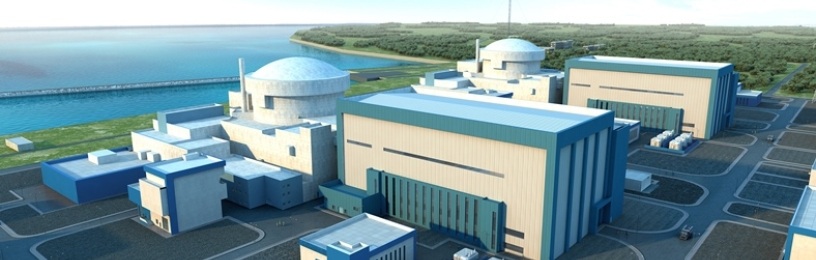
UK HPR1000 nuclear technology design; next phase for approval begins
The joint regulators have today (Thursday 16 November 2017) announced Step 2 of the Generic Design Assessment (GDA) for the UK HPR1000 nuclear technology.
This marks the start of the second step of a four step robust and independent process to seek approval for the design of a nuclear power station at Bradwell in Essex.
This marks the start of the high level technical assessment of the design of the UK version of the HPR1000 technology.
The developers CGN and EDF have launched a website which provides information and an opportunity to ask questions and feedback comments at this early stage. The website can be found at www.ukhpr1000.co.uk
China General Nuclear Power Corporation (CGN) and EDF had submitted a joint application through their joint venture company GNS (General Nuclear System Ltd) to DESNZ (Department for Energy Security and Net Zero) in October 2016 to begin the GDA process for a UK version of the HPR1000 nuclear technology. The reference plant for the design is CGN’s Fangchenggang Plant Unit 3 in China which is under construction and on schedule.
This is a key step in the development of proposals from CGN and EDF for a new nuclear power station at Bradwell in Essex. The UK's joint regulators, the Office for Nuclear Regulation and the Environment Agency provide rigorous, independent scrutiny of the plans. All nuclear operators in the UK must work within this strict regulatory framework, and all reactor designs satisfy the safety, security and environmental requirements of the Generic Design Assessment process.
The proposed Bradwell project is in an early pre-planning stage which will involve years of investigative works and public consultations before detailed proposals are produced allowing a planning application to be made. A UK version of HPR1000 reactor is intended to be built at Bradwell following GDA approval.
CGN and EDF have been working together for more than 30 years on nuclear development and construction in China. They have formed an industrial partnership in the UK to build Hinkley Point C nuclear power station in Somerset and to develop Sizewell C in Suffolk and Bradwell B in Essex.
Zhu Minhong, General Manager of CGN UK, said: “We are pleased to reach this important step in the robust UK regulatory system and we welcome public feedback on proposals for this new UK reactor design.”
Humphrey Cadoux-Hudson, EDF Energy Nuclear New Build MD, said: “Reaching the next phase of the design approvals process for a new nuclear power station at Bradwell in Essex is a significant step. We hope that local communities use the website we have launched today to find out more about our early plans and feedback their comments. Local consultation is central to developing our plans and this is one of many opportunities where people can get involved.”
EDF will bring invaluable experience gained from the approval process for Hinkley Point C’s EPR reactors. The GDA process for the UKHPR1000 will take a number of years to complete. There are a number of different consents and permissions to be achieved before a nuclear power station can be constructed. As well as successful completion of the GDA process, other requirements include development consent, site licensing and environmental permits.
Nuclear new build projects bring the benefits of reliable low-carbon energy for the country as well as major industrial and economic benefits locally, regionally and throughout the UK.
Related articles

We are Here to Listen: How to Get in Touch with Hinkley Point C

How is Hinkley Point C benefiting the local community?
