Trials show that Hinkley Point C’s Acoustic Fish Deterrent is Highly Effective
- British-developed innovation overcomes major safety challenge
- System is one of three fish protection systems, giving Hinkley Point C more fish protection than any other power station in the world, costing £700 million
- Successful completion of the testing would mean the project believes further compensation measures should not be required
- New film released that explains the innovative technology being used
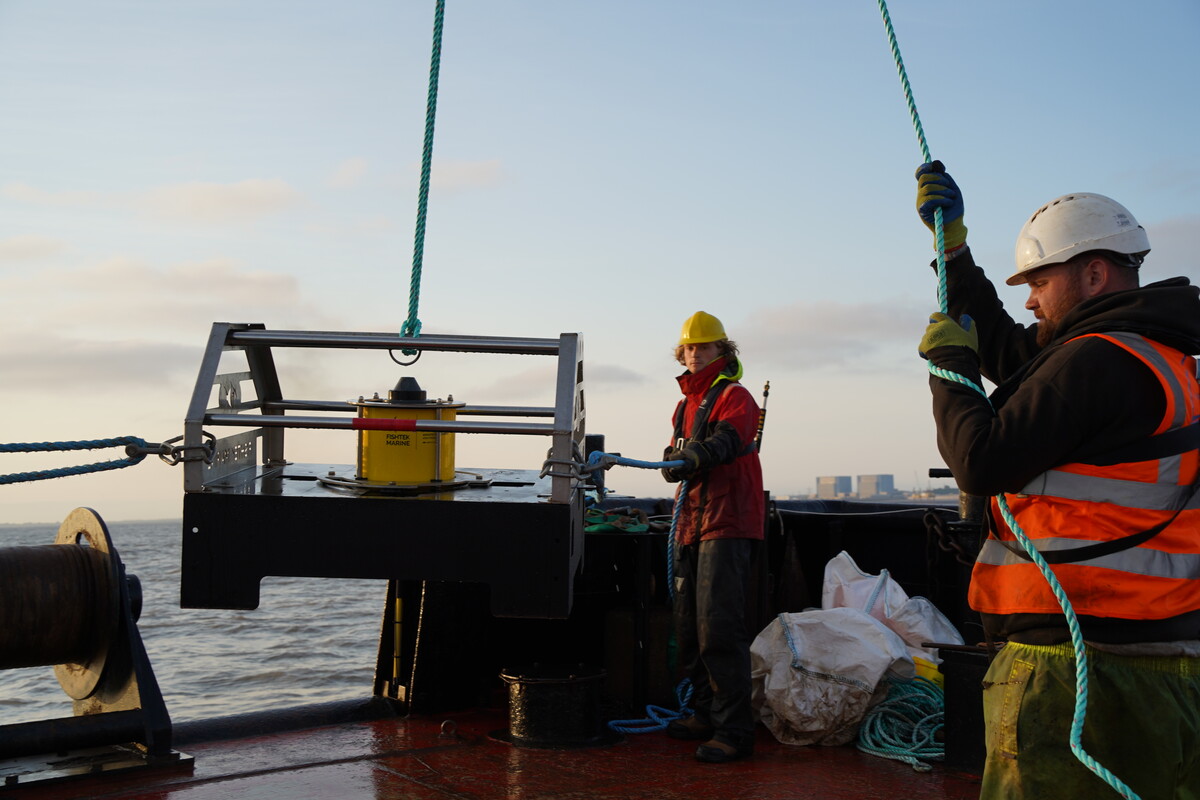
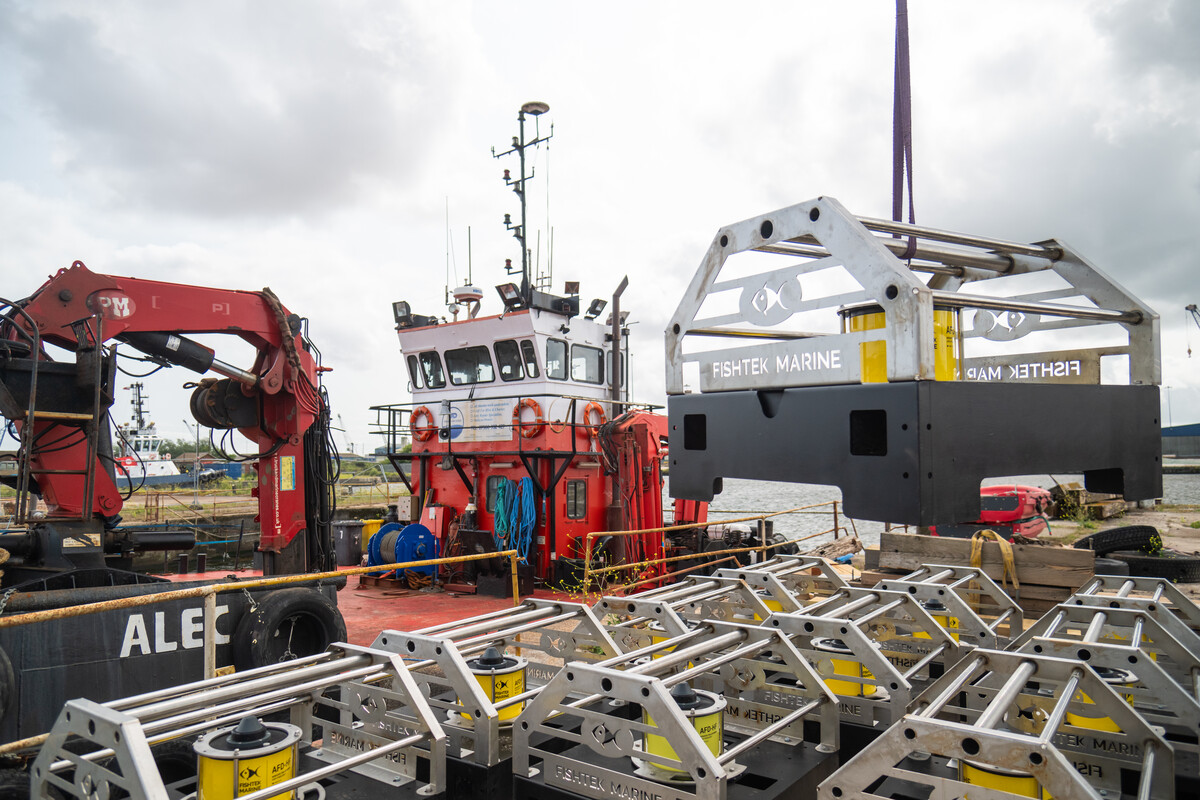
Sea trials carried out by Swansea University have shown that an acoustic fish deterrent developed for Hinkley Point C is highly effective. The innovative use of ultrasound technology has been shown to keep target fish species away from the power station’s water intakes.
It is one of three separate fish protection systems at the power station, which is the first in the area to have any fish protection measures at all. The three systems will cost more than £700 million and give Hinkley Point C more fish protection than any other power station in the world. This will help protect the internationally important Severn estuary.
Fish protection measures
The new power station will use specially designed intake heads to slow the speed of water entering the cooling tunnels, allowing fish to escape from as close as 2 metres in a 20-kilometre-wide channel. A fish return system will also transfer fish back to the sea. The remaining impact on fish will be very small and, as a responsible operator, Hinkley Point C is developing and deploying an acoustic fish deterrent.
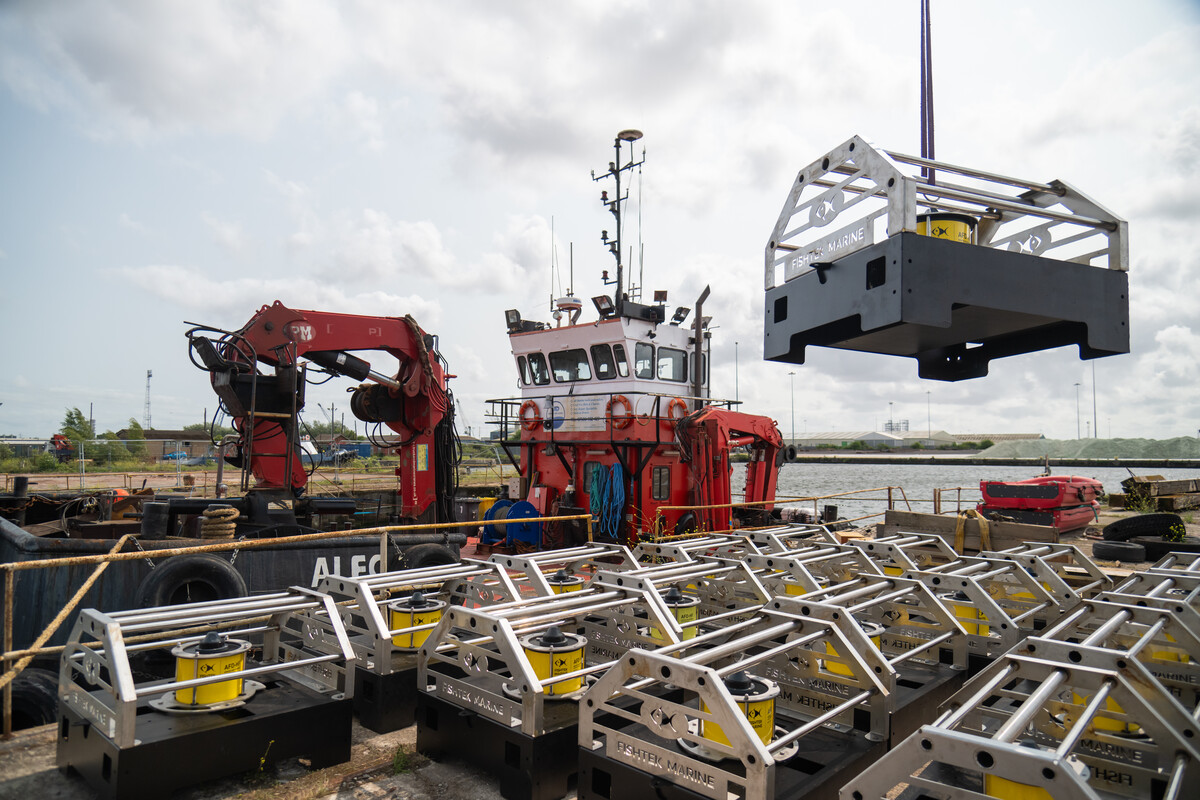
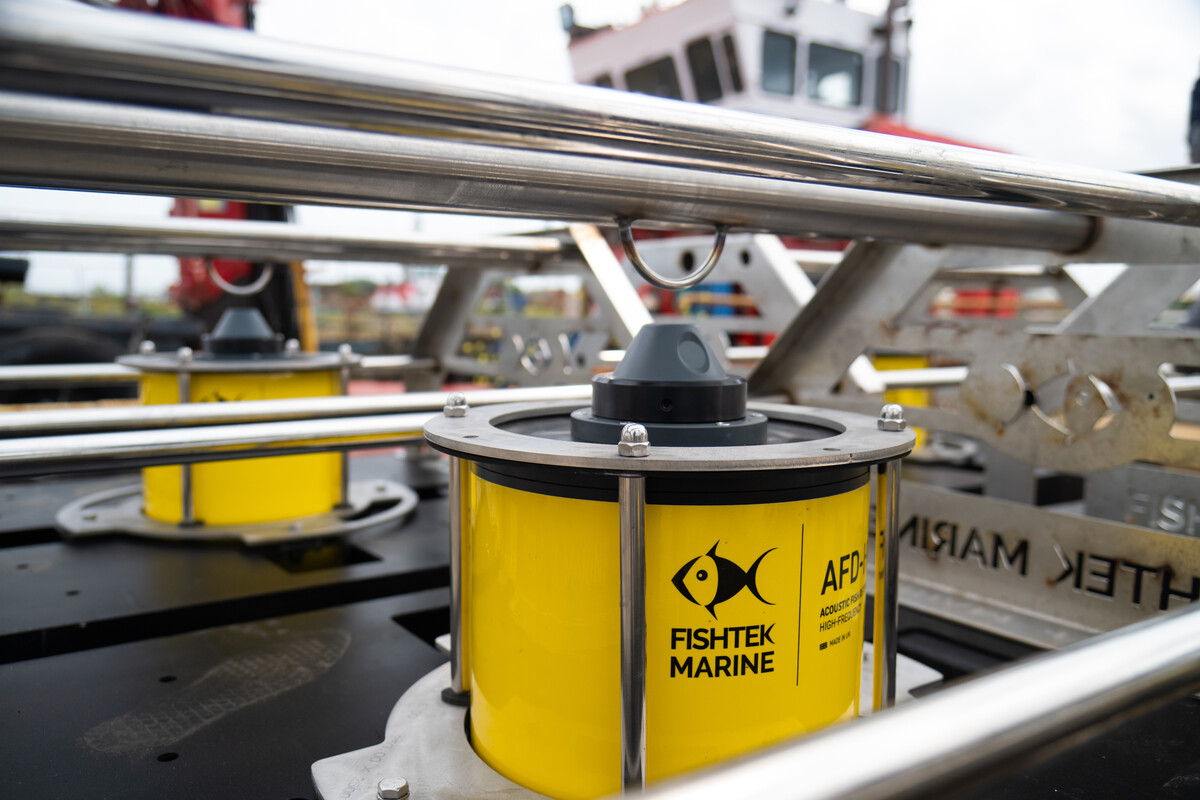
Finding a way to do this without endangering divers in the extreme tides of the Bristol Channel has taken many years. Now, an innovative ultrasound acoustic fish deterrent has been developed by fisheries conservation experts Fishtek Marine in Devon. It can be deployed and maintained without using divers and is compact compared to earlier proposed systems that used more than 250 underwater loudspeakers.
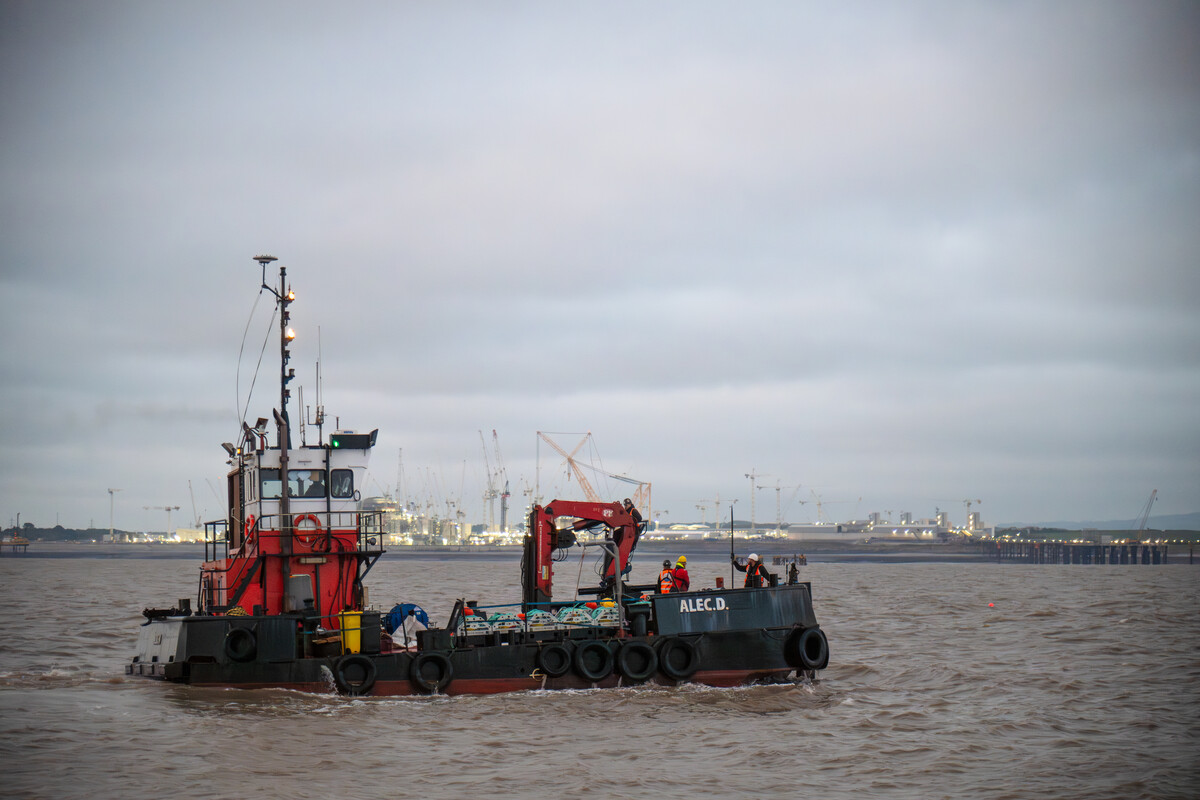
The ultrasound system has been tested at sea and in laboratory tanks by Swansea University. The sea trials have been successful and show the system is highly effective at keeping targeted fish species away from Hinkley Point C’s water intake tunnels. For example, testing of tagged twaite shad showed that after the acoustic fish deterrent was turned on, only one tagged shad came within 30m of the intake heads. This compares to 14 shad seen in the same area without the system turned on. The data suggests an effectiveness of more than 90%. Additional testing in tanks will continue throughout the first half of 2026.
Swansea University research has also provided a much better understanding of the movements and location of fish populations in the Severn Estuary. It shows that salmon, migrating to the Atlantic, generally use the main channel - well away from Hinkley Point C’s water intakes. In two years, only 2 tagged salmon were detected within 1km of the intakes.
A new film has been released that helps to explain the development of the technology and the research that proves its effectiveness.
Saltmarsh
Successful completion of the testing would mean the power station can meet all its planning obligations on fish protection and the project believes further compensation measures should not be required. This is good news for communities up and down the Severn who opposed plans to create 900 acres of saltmarsh compensation on farms and other land.
The results of the research, as part of an application for system deployment, will be submitted for regulatory consideration and approval later in 2026. As the authoritative regulator for this area, the Marine Management Organisation will assess and determine the application.
Dr David Clarke, fisheries scientist and marine ecologist at Swansea University, said:
These early results are very encouraging with the system clearly working. Our results show that a large majority of the tagged shad avoid an area extending some 60m from the intake heads protected by the acoustic fish deterrent system.
Chris Fayers, Head of Environment at Hinkley Point C, said:
The successful testing of the acoustic fish deterrent is good news for the environment and for communities and farmers up and down the Severn. Because the system works even better than we had hoped, it means we can meet all of our planning obligations and should not need to create 900 acres of saltmarsh as environmental compensation. And it’s good news for a power station that will generate the reliable, low carbon electricity that the country needs.
Pete Kibel, Managing Director, Fishtek Marine, said:
This is a really exciting project for Fishtek Marine. Building on our existing acoustic deterrent technology we have now developed a highly effective system that will protect fish in the Severn Estuary and potentially be an option for many more power stations throughout the world. The success of our work at Hinkley Point C will only strengthen our position as a leader in marine conservation technology.
Downloads




Related articles

Hinkley Point C finishes tunnelling fish return system

Big Carl lifts Hinkley Point C’s second nuclear reactor into place
