Changing the way we’ll store used fuel
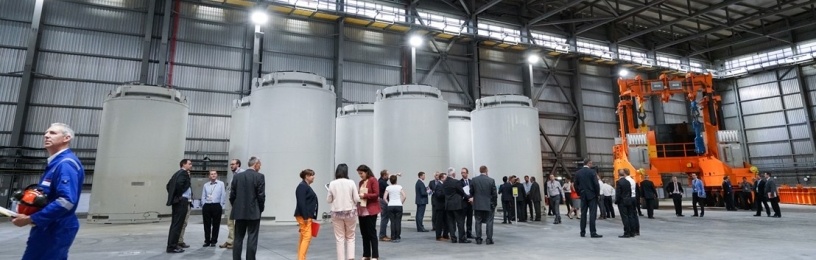
Above: Sizewell B already has a dry-store in place to store its used fuel.
This autumn Hinkley Point C will apply to change the way it will store used fuel. The change is from the originally proposed “wet” design, where spent fuel is stored in large pools, to one which uses “dry” storage - where spent fuel is stored in very strong cannisters inside a building.
You may have already seen that the Environment Agency recently held a consultation on the permits needed for this change. When Hinkley Point C makes its planning application, they’ll be a public consultation with exhibitions and events. You’ll be able to find out more and have your say during this consultation.
Why the change?
Spent fuel is produced in nuclear power stations and it needs to be safely stored before disposal or recycling. It’s produced in such small amounts that the total volume from an average person’s lifetime electricity use could fit into a drinks can. All of Hinkley Point C’s spent fuel will remain on site during its 60 year plus operation.
In the early stages of Hinkley Point C’s design, we considered different ways to store the power station’s spent fuel and proposed to use the wet storage method. In the 12 years since our original review, the new dry store at Sizewell B in Suffolk has given us UK operational experience of using this method. It provides benefits in terms of easier handling and accessibility and the advantage of passive cooling and shielding, requiring no operator intervention.
The dry store technology has been used worldwide since the 1970s. Tests on spent fuel cannisters after decades in dry storage has confirmed that the system continues to provide a very safe and secure storage option. The concrete and steel cannisters are very robust and are designed to withstand any external hazard. They can be approached without any protective clothing – as they completely shield the environment from the radiation of the spent fuel.
Use of the technology is overseen by our independent regulators the Environment Agency and the Office for Nuclear Regulation.
Details of the consultation will be published soon, In the meantime, you can find out more about our plans for waste management at Hinkley Point C.
Related articles

We are Here to Listen: How to Get in Touch with Hinkley Point C

How is Hinkley Point C benefiting the local community?
