
The charging gap: why fleet electrification is an energy challenge
Many businesses are already deep into fleet electrification, but the charging infrastructure behind their vehicles tells a different story. Fragmented suppliers, ageing hardware, providers that have scaled back or left the market entirely: what was manageable with a small fleet quickly becomes complicated at scale, leaving businesses juggling systems that were never designed to work together, drivers who aren't properly supported, and costs creeping up because the public network is filling the gaps.
There's a better way to approach this, and it starts with rethinking what fleet electrification actually looks like.
Contents
- The infrastructure problem is already here
- One provider, across the whole picture
- Fleet electrification is an energy challenge
- Smarter charging, better energy outcomes
- Beyond the depot
- Continuing the conversations
The infrastructure problem is already here
More than 75% of new UK corporate car registrations were electric in 2025, which means a growing number of businesses are discovering that the hard part isn't the vehicles. For organisations further along the journey, the picture increasingly looks like chargers from suppliers that no longer support them, separate siloed systems across depots, offices and employees' homes managed by different vendors, and an over-reliance on the public network that pushes costs up.
For some, the clock is already ticking. Unsupported chargers at offices and depots won't get smarter or scale over time, so the question becomes whether to patch the gaps or build something that actually supports long-term electrification.
“The eMobility landscape is shifting fast. Some charging suppliers have scaled back or exited the market, and fragmented, multi-supplier set-ups are struggling to scale. Businesses are feeling this differently depending on where they are in the journey.”
Tom Stebbing, Senior Director Business Development for Commercial, Pod
One provider, across the whole picture
Pod, backed by EDF, is the single provider that can cover the whole suite of charging: home solutions for drivers, workplace charging for employees, smart depot infrastructure and public charging access. One supplier, one strategy, one relationship.

That matters because the biggest source of friction in fleet charging isn't the hardware. It's the complexity of managing multiple providers, multiple contracts and multiple data sources, none of which are designed to connect. Pod removes that complexity, and EDF brings the clean energy expertise behind it. It's a crucial time for businesses to electrify their operations, and switching transport and mobility to EVs is one of the fastest ways to cut emissions and running costs. Pod and EDF are there to make the infrastructure behind that straightforward.
Fleet electrification is an energy challenge
Most organisations with EV100 commitments, net zero ambitions or 2030 decarbonisation targets have already made their vehicle decisions. The harder question is whether the infrastructure, power capacity and charging strategy behind those vehicles can keep up with fleet growth. A depot originally designed for a handful of vehicles may now need to support hundreds. Home charging has to be managed and reimbursed at scale. Sustainability teams need accurate reporting. All while businesses keep costs under control and plan for further growth.
Fleet electrification, viewed this way, isn't a transport challenge. It's an energy challenge, and the organisations that succeed won't just be those with the most EVs. They'll be the ones that build the infrastructure, flexibility and energy strategy to power them properly.
“The first phase of electrification focused on vehicles. The next phase must focus on power, infrastructure and flexibility. Businesses need to think beyond how many EVs they'll need and start thinking about how they'll power them reliably and cost-effectively over the long term.”
Matthew Yeoman, Head of Flex Supply, EDF Business & Wholesale
Smarter charging, better energy outcomes
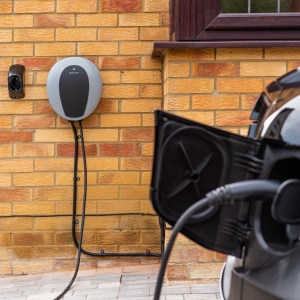
One of the biggest misconceptions around fleet electrification is that growing fleets automatically require major grid upgrades. While additional capacity is sometimes needed, smart charging can often help organisations get more from existing infrastructure first. By managing when and how vehicles charge, businesses can reduce demand peaks, make better use of available power and delay or avoid costly upgrades.
"The most successful charging strategies start with understanding how the fleet operates. It's not about installing the maximum number of chargers. It's about designing infrastructure around real operational requirements and ensuring it can scale alongside future fleet growth. The question is no longer, "How many chargers do we need?" It's "How do we make the best use of the power we already have?”
Tom Stebbing, Senior Director Business Development for Commercial, Pod
Smart charging can do more than keep vehicles ready for the next shift. It can balance demand across a site, generate value by supporting grid flexibility services, and, as battery storage and vehicle-to-grid technologies mature, allow fleets to actively participate in how energy flows across a site.
Fleet teams that think about charging, energy procurement and flexibility as one connected challenge, rather than separate decisions, consistently see better outcomes on cost, resilience and decarbonisation.
“An electric fleet creates additional demand, but it can also create new flexibility. The opportunity is to understand how charging interacts with the organisation's wider energy strategy and use that insight to reduce costs, manage risk and support decarbonisation goals.”
Matthew Yeoman, Head of Flex Supply, EDF Business & Wholesale
As charging demand grows, some organisations are transforming depots into integrated energy hubs, combining smart charging, onsite solar, battery storage and long-term renewable power purchase agreements. This joined-up approach can improve resilience, reduce costs and support decarbonisation, while helping businesses scale electrification without significant upfront investment.
Beyond the depot
The charging challenge doesn't stop when vehicles leave site. Many fleets depend heavily on home charging, and as they grow, keeping that manageable becomes one of the bigger operational headaches. Without the right systems in place, home charging becomes fragmented and difficult to track, drivers feel unsupported, reimbursement processes create administrative burden, and the whole picture becomes harder to report on.
“As fleets scale, home charging can quickly become fragmented and complex if it's not managed properly. Businesses need a simple way to support drivers, automate reimbursement and maintain visibility of charging activity, so electrification remains easy for drivers and streamlined for fleet managers.”
Ash Boaden, Senior Director of Business Development, Fleet & Lease, Pod
The industry's focus for the last decade was getting people into electric vehicles. The next decade is about ensuring the infrastructure behind those vehicles is ready to scale with them. The businesses getting ahead are those that have stopped treating vehicles, charging and energy as separate decisions, and started building a single long-term strategy that connects them.
Pod and EDF are helping businesses do exactly that, from the first charger installed at an employee's home to a fully managed depot network. One partner, across the whole journey.
Continuing the conversation
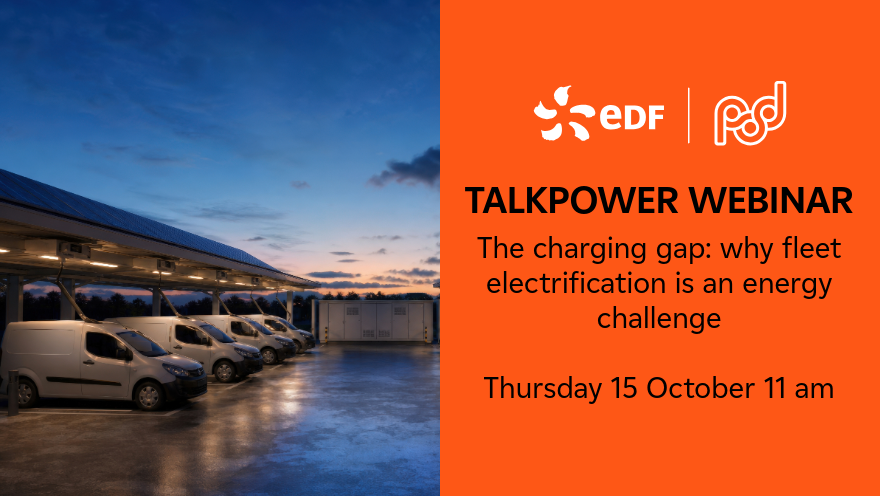
Continue the conversation with Matthew Yeoman, Tom Stebbing and Ash Boaden in our upcoming TalkPower webinar, The charging gap: why fleet electrification is an energy challenge. Join the panel as they discuss the infrastructure, charging and energy considerations businesses need to address to successfully scale EV fleets, followed by a live Q&A.
Thursday 15 October | 11am



Related articles

UK electricity demand: why it matters for business competitiveness and what must change

