Big Carl lifts Hinkley Point C’s second nuclear reactor into place

By Hinkley Point C media team | Posted June 01, 2026

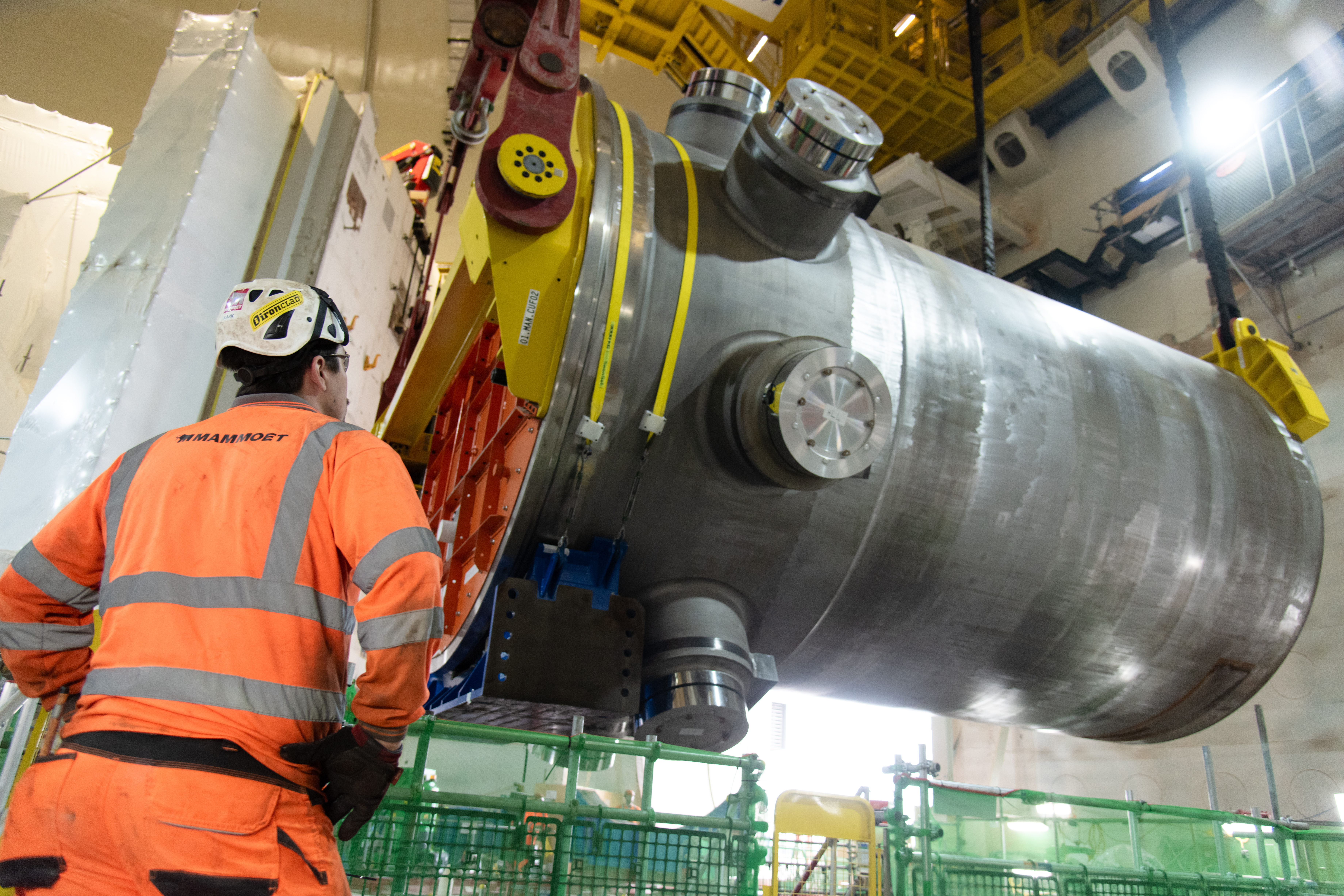
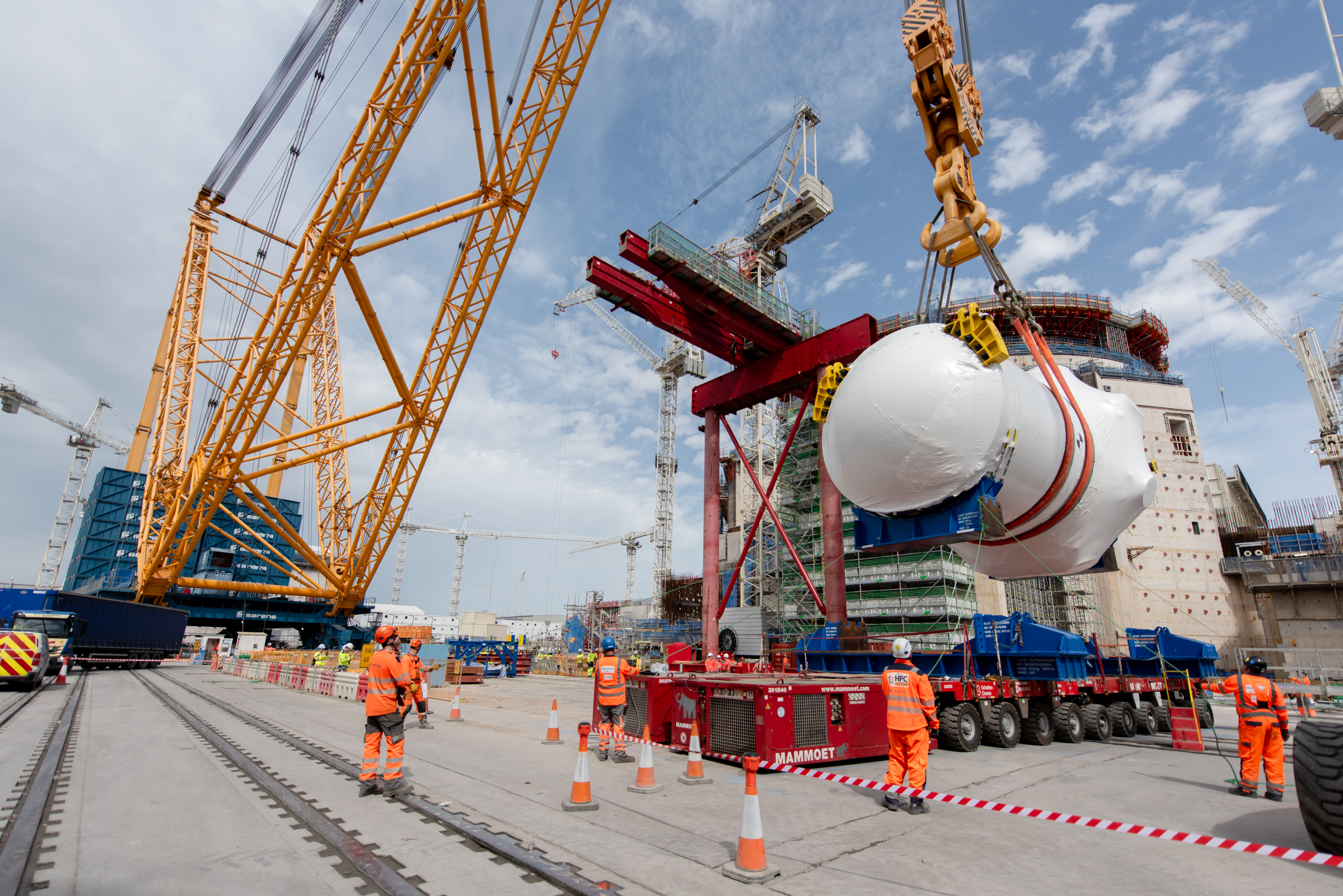
Big Carl, the world’s largest crane, has lifted Hinkley Point C’s second nuclear reactor into place before its precision installation inside the reactor building. 

Using Big Carl to lift the 500-tonne cylinder was an innovation for Unit 2 and another example of the project finding ways to improve performance between Units 1 and 2. The first reactor was lifted using a large temporary overhead lifting system. The new method saves space, time and money.   

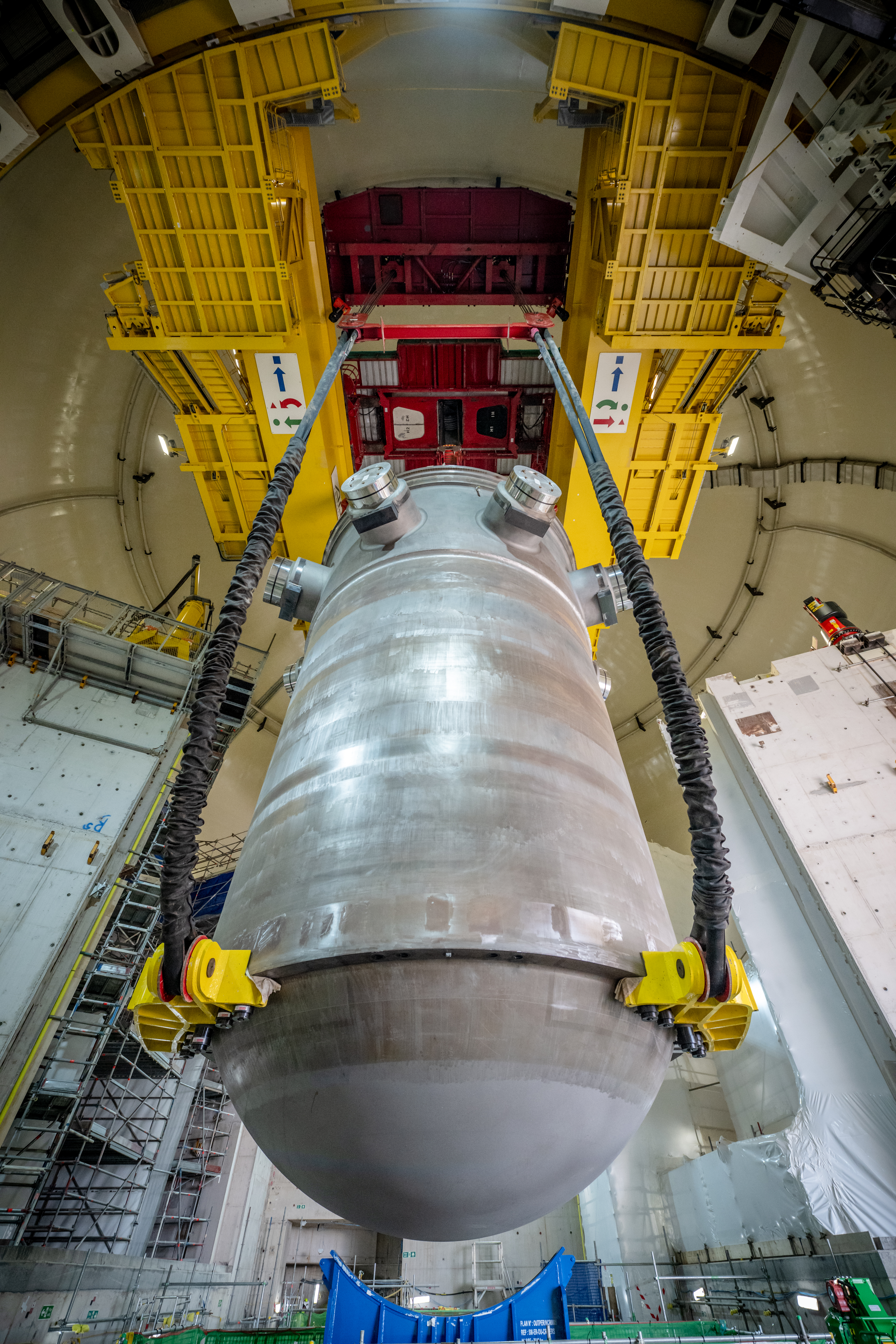
Once inside the reactor building, the 13-metre-long reactor pressure vessel was lifted and rotated into a vertical position by the large internal “polar” crane and lowered carefully onto a support ring with just 40mm clearance on either side.  The installation comes less than 12 months after the huge steel dome was lifted into place to close the second reactor building. 

Unit 2 is being built 20-30% more quickly than Unit 1, thanks to innovation and experience of building an identical design with the same teams. 

The Unit 2 reactor building is further ahead than at the same stage for Unit 1, with more equipment installed, as well as more structural steel work and the outer containment layer already in place.  For example, three large heat exchangers have been installed in Unit 2, compared with none at the same point on Unit 1. These advantages and innovations will benefit Sizewell C from the start.  

The reactor pressure vessel uses nuclear fission to make heat and steam for the world’s largest turbines, the Arabelle. 

Together, the two reactors will power 6 million homes around the clock with reliable, low carbon electricity, cutting the country’s reliance on imported fossil fuels

Downloads

The polar crane carefully lowered the reactor into place inside the building.
Big Carl, the world’s largest crane, lifts Hinkley Point C’s second nuclear reactor.
The second reactor positioned over the reactor pit.
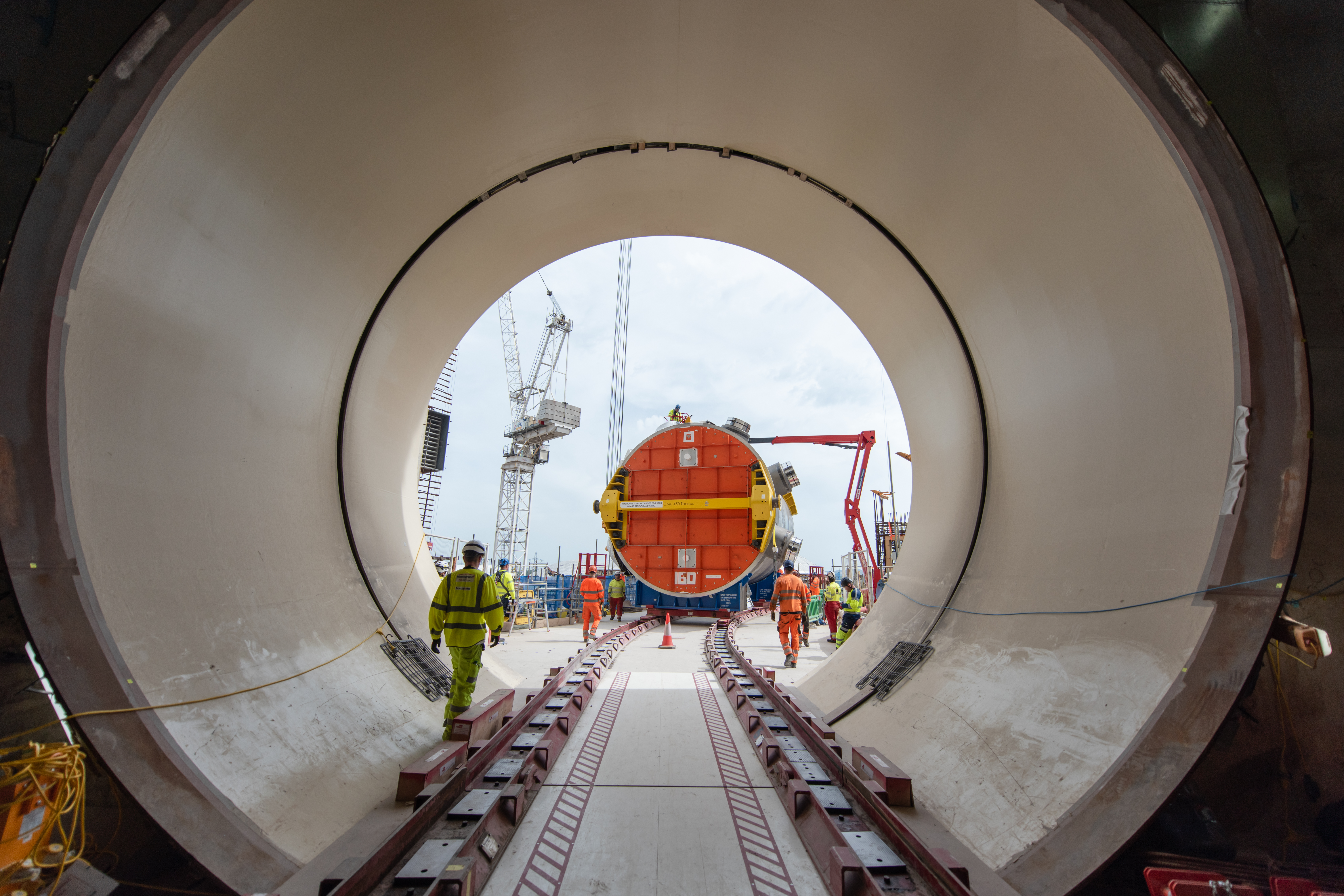
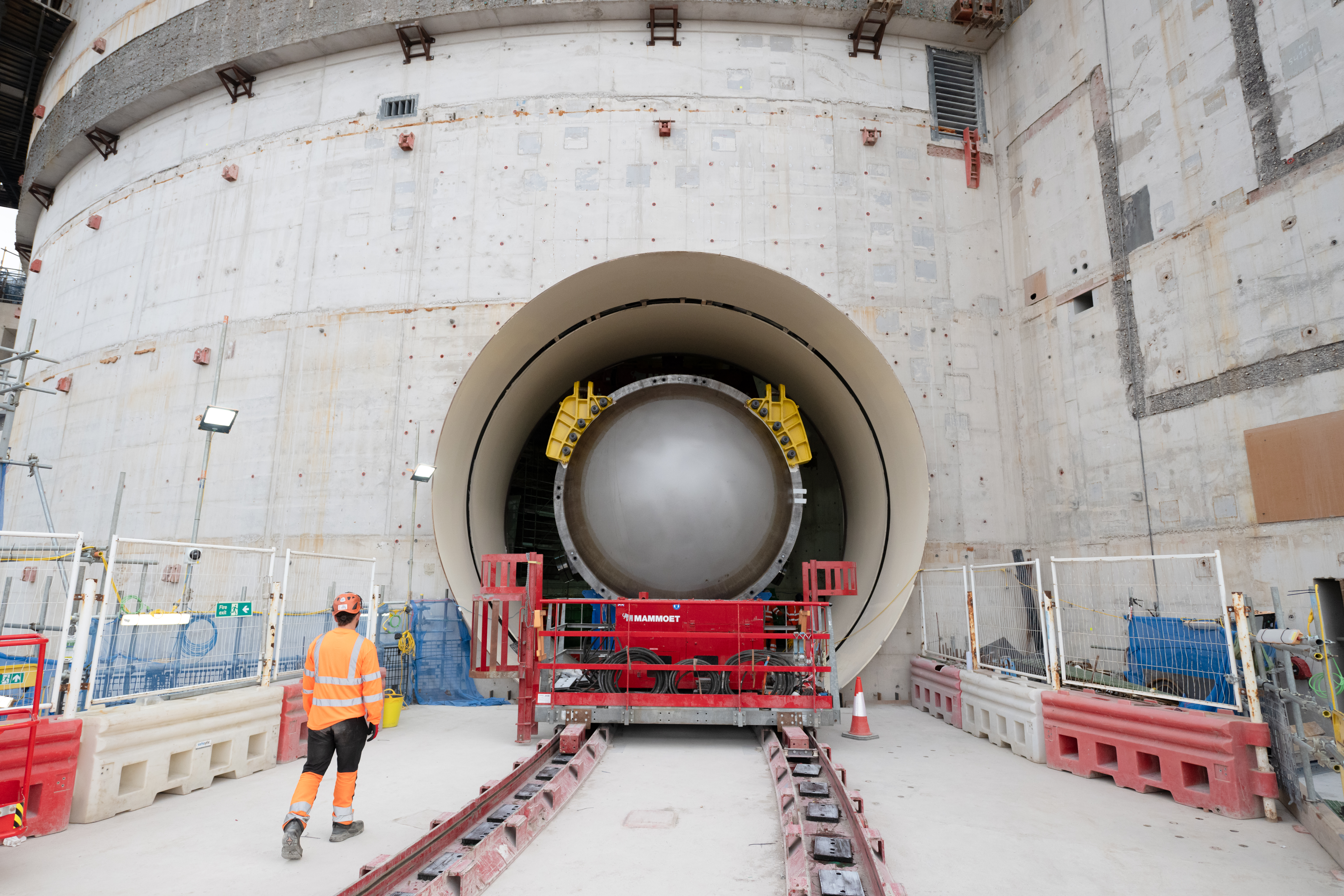
The reactor makes its way into the second reactor building.
Using Big Carl to lift the reactor was an innovation for Unit 2, saving space, time and money.
The reactor is transfered on rails into the second reactor building.

Related articles

Hinkley Point C has spent £5.4 billion with 1,500 businesses across the South West
May 26, 2026

New report measures Hinkley Point C’s positive impact on people and the environment

- £20 million of community grants to 385 local organisations - 19,500 people trained in local “Centres of Excellence” - 1,740 apprentices trained – beating a target of 1,000 - £5.4 billion spent with 1,500 businesses across the South West - New factory opened in North Wales to support the project - Suffolk youngsters learn skills to take home to Sizewell C - 65,000 trees planted and 92 bird species identified around the HPC site
Hinkley Point C is preparing for the installation of the second reactor.
May 06, 2026

Under the lid - new video tour takes viewers inside Hinkley Point C’s first reactor

Viewers of Hinkley Point C’s latest video update will get to see inside the first reactor at the nuclear power station in Somerset. The behind the scenes tour from Delivery Director Simon Parsons shows the fit out of Unit 1 accelerating and teams getting ready to install the identical second reactor in Unit 2.
HPCDOMELIFT
March 24, 2026

EDF announces leadership changes in its UK nuclear businesses

EDF has named Mark Hartley as the next Chief Executive Officer of the Hinkley Point C nuclear project from 1 July. His appointment comes as current CEO Stuart Crooks steps down from the role after 40 years of service in the nuclear industry.