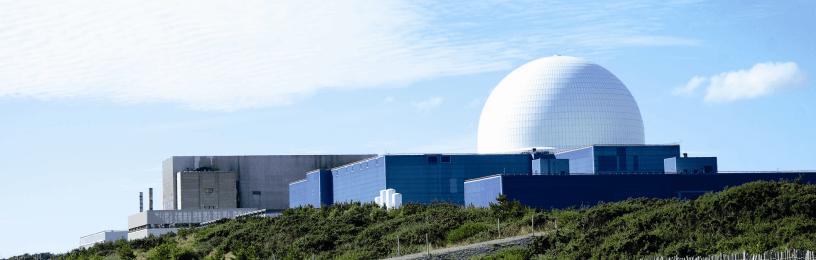
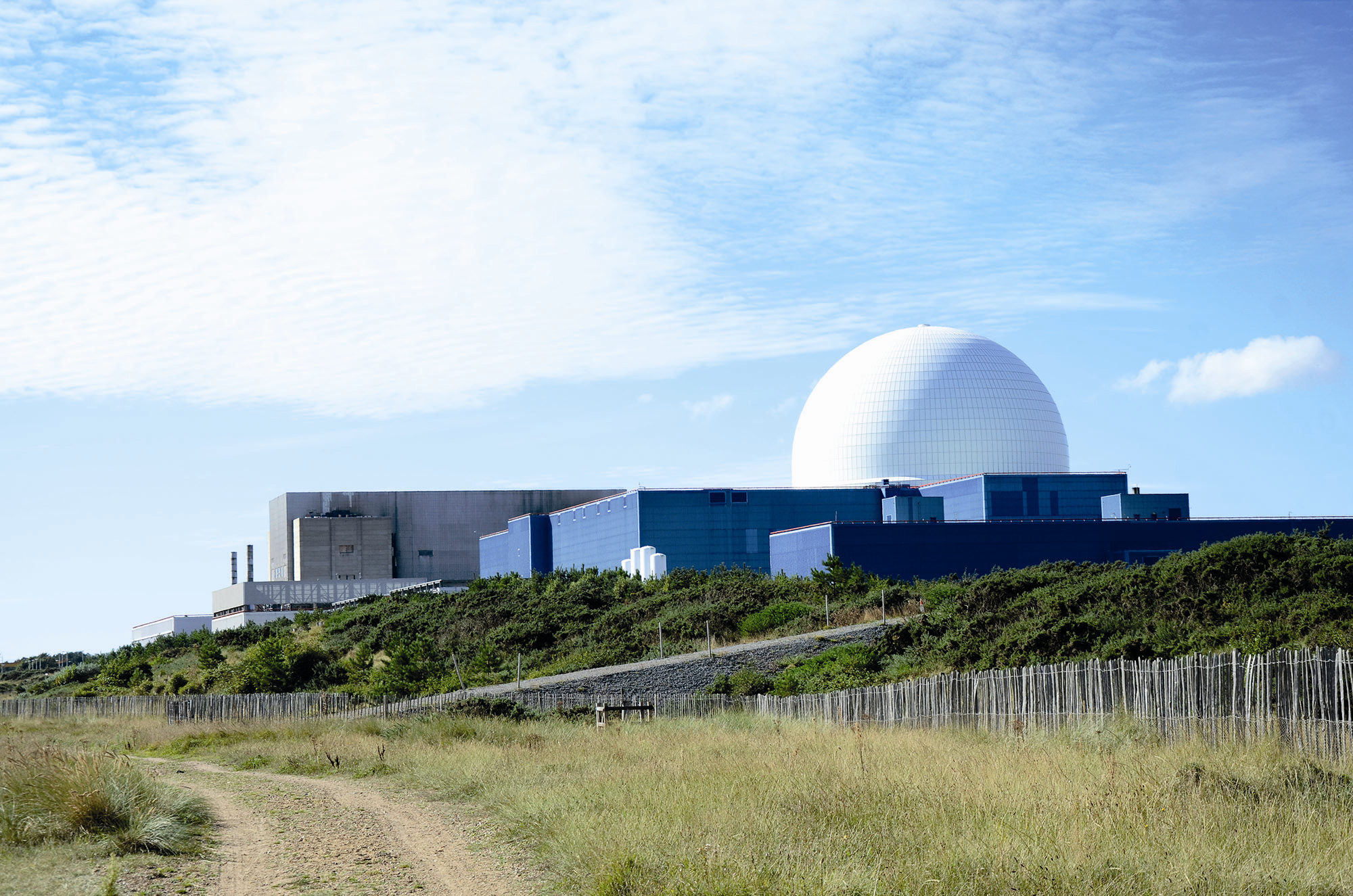
Sizewell B turns thirty!
It was thirty years ago today a tiny corner of Suffolk became one of the nation’s most important energy centres.
That’s because on February 14, 1995, Sizewell B Nuclear Power Station, the single most productive nuclear reactor the UK has ever operated, synched to the electricity grid for the first time.
Since then the site has generated so much power it could meet the needs of every home in East Anglia for more than 83 years and, according to recent calculations by an independent economic consultancy, has already saved more than 123m tonnes of CO2 emissions going into the atmosphere.
Robert Gunn, Station Director of Sizewell B, said: “Over the past 30 years this power station has quietly supported energy security and delivered staggering amounts of zero-carbon power. That electricity has come 24/7 and our last run was a great example of that. We produced electricity non-stop for more than 500 days in which our turbines turned more than two billion times!
“We’ve also made a tangible difference to people’s lives by employing thousands of local people and equipping them with incredibly useful nuclear skills which have been invaluable to us, to their future job prospects and the wider economy. A study published last month revealed that Sizewell B has already contributed over £15billion to the British economy.
“But this station has been much more than that – it has firmly rooted itself as the beating heart of this corner of Suffolk. Husbands and wives have met here, generations of families have worked here and our work in the community has brought benefit to sports clubs, charities and other organisations.
“This birthday is a great moment for our teams to reflect on all that we’ve achieved but also how much more we can contribute to Suffolk and the country.”
Sizewell B was built between 1987 and 1995 and started supplying power to the grid on Valentine’s Day 1995. It is the country’s only Pressurised Water Reactor (PWR) and to date has produced 261 terrawatt hours of electricity. Each year it provides around 3% of the UK’s electricity needs.
In 2012 the site opened itself to the public with the creation of a visitor centre which co-ordinated public tours demystifying nuclear operations. Since then 120,000 visitors, from school children to pensioner groups, have passed through the gates and seen for themselves the enormous contribution Sizewell B is making to East Anglia and the nation.
To mark the birthday staff at the Leiston site have been given a specially commissioned anniversary chocolate bar and pen and there has a bake-off style competition for the best station birthday cake.
Niki Rousseau, who has been part of the Sizewell B team since 1987, said: “This station has been important to me as a place which has provided a great, well-paid job for decades. This area is full of people who have worked here, it has contributed to the community by supporting local causes and over time that dome, which is now known all over the world as a symbol of nuclear power, has become an important feature of our coastline.”
EDF bought the site, and the UK nuclear fleet in 2009. Since then it has paid out more than £750m in wages. Recently published research revealed the full scale of the station’s impact on employment after economists calculated that every job required to run operations at Sizewell B also directly supports over five others in the power station’s UK supply chains.
Robert added: “As important as this birthday is we also have a firm eye on the longer-term future. This power station is presently due to generate until 2035 but we are confident we can extend this date to 2055, or longer. The technical case is clear, we now need greater cost certainty and confidence in the long-term commercial case to make a final investment decision when we’re ready.”
Notes to Editors
- The site employs over 600 full time EDF staff and around 250 full time contract partners.
- More information on the study highlighting the economic value of UK nuclear power generation.



Related articles

Milestone moment for Sizewell B life extension agreement

£1.2billion investment across 2026-28 to help boost reliability and output
