From soil to savings: practical energy advice for agriculture businesses
Are you running a small farm, vineyard, rural workshop or agricultural supply business? If you’re in the agriculture sector, chances are that your crops, livestock or services aren’t the only key to your growing success - your working environment matters too. However, keeping your facilities powered, heated and running efficiently through the colder months can be costly.
We’ve dug into the latest research to bring together practical energy-saving tips tailored for agricultural businesses. Lower energy consumption means reduced bills and less impact on the environment. This means freeing up resources to invest in better equipment, sustainable practices and growing your operations.
Heating, ventilation and air conditioning
Install thermostats to automatically adjust temperatures based on time of day or occupancy to avoid unnecessary heating or cooling.
Zone your heating systems. Divide your farm buildings into zones so you only heat areas in use.
- Use natural ventilation where possible by opening vents or windows during mild weather to reduce reliance on mechanical ventilation.
- Seek our draughts in any building and seal these to stop hot hair escaping in the winter.
- Insulating your walls, roofs and doors helps retain heat in winter and cool air in summer.
- Fit PVC strip curtains in busy doorways. They help retain heat while allowing easy access which can cut energy costs by as much as 40% in some cases.
Saving energy with your lighting
- Switch to LED lighting, LEDs use up to 80% less energy than traditional bulbs.
- Install motion sensors in low – traffic areas to automatically turn of lights when not needed, ideal for storage rooms and sheds.
- Zone lighting by activity. Separate lighting for feeding areas, walkways and machinery zones.
- Skylights or transparent roofing in large outbuildings helps to reduce the need for artificial lighting needs during daylight hours.
- Clean fixtures in dusty environments: Dirt buildup in barns and workshops can reduce light output and increase energy demand.
Equipment and machinery
- Switch off idle equipment, leaving tools and machines running when not in use and increase unnecessary energy consumption.
- Schedule high energy tasks during off-peak hours. Check if a time of use tariff is the right option for you.
- Service your machinery regularly, well maintained engines and motors in equipment like generators, heaters, irrigation pumps and harvesters will run more efficiently and use less energy.
- Switch to energy efficient motors and pumps, modern models often consume significantly less power than older units.
- Monitor equipment energy use, smart meters or plug in monitors can help identify energy hungry tools.
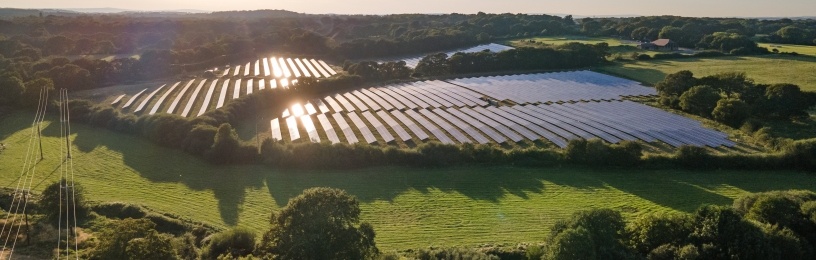
Make use of open spaces to capitalise on solar energy
- Large roofs of agricultural buildings or unused space are ideal areas for solar energy solutions
- Generate your own energy to power agricultural practices such as irrigation systems, refrigeration or electric livestock fencing
- The Improving Farm Productivity Grant from DEFRA supports solar installations for farms, covering up to 25% of eligible costs. You can read the full guidance on GOV.UK or explore how to apply via Farmers Weekly.
Battery storage systems can ensure energy security for rural businesses
- Excess solar energy can be stored for use during peak times to reduce energy bills
- Ensure that your rural business has power around the clock for refrigeration of produce, milking and other crucial agricultural activities
- Reduce grid reliance in rural areas where supply might be volatile at times
- Reduce overall costs by selling back to the grid, giving you more cash to invest into your farm or agricultural business
- To learn more about applying for battery storage funding, visit the DEFRA Farming Blog or consult the Farming Transformation Fund grant manual.
Creating an energy efficiency business needs the whole team onboard. Make sure your team are aware of energy best practises – simple changes like turning equipment off when it’s not in use can help save your business cash and carbon. Visual reminders and team briefings are a cost effective way of doing this.
These practical energy-saving tips can make a real difference to your agricultural business – helping you cut costs, boost efficiency and reduce your environmental impact. Whether you’re growing, storing or processing, small energy tweaks can lead to major cost reductions. Why not start by completing a simple energy audit to see where you can save.
Another way you could save your agricultural business money is making sure you're on the right tariff. Firstly understand the right tariff type for your business, read our blog on how to compare tariffs, then you can get a no obligation quote in just 60 seconds. Remember with EDF you get our cheapest prices direct!
Related articles


